November 2, 2026
Protection Dogs for Seniors and People Living Alone
A trained protection dog can suit a senior or someone living alone, provided the dog’s energy and strength match what the owner can comfortably manage. Temperament and training matter as much as breed. Start by deciding whether you can meet the dog’s daily needs, and who would step in if you couldn’t.
Key Takeaways
- A trained dog offers a visible deterrent, an early warning and daily company.
- The best match is the dog you can physically control on your hardest day.
- Line up backup care before you buy, not after something goes wrong.
- Ask for handler training built around your home and your routine.

Why Do People Living Alone Consider a Protection Dog?
When you live by yourself, nobody else hears the noise at the back door or notices that you came home later than usual. For many people, the appeal is simple: feeling at ease in their own home.
A well-trained dog can help in three practical ways. It notices changes around the house before you do. Its presence makes your home a less appealing target. And it gives you a reason to get outside each day, with a companion at your side. It won’t replace locks, lighting or an alarm, but it does add a living layer to your home security.
It’s also fair to say what a dog can’t do. A protection dog isn’t a medical alert dog unless it has been specifically trained as one, and it can’t call for help. If a fall or a health emergency is your main concern, plan for that separately with a personal alarm or a daily check-in from someone you trust.
Is a Protection Dog Right for You? An Honest Checklist
Go through these questions before speaking to any seller. A “no” doesn’t rule you out, but it does tell you what to solve first.
- Control: could you hold a 60 to 90 pound dog if it pulled suddenly? Consider your balance, grip and any joint problems.
- Exercise: can you provide activity such as fetching, swimming, hiking or obedience sessions at least 3 to 4 times a week, depending on the dog?
- Practice: are you willing to run short command sessions regularly, even when the dog already knows the work?
- Getting around: can you lift or load the dog if it’s injured, and reach a vet who handles large working breeds?
- Your home: do you have stairs, slippery floors or a shared building that would make life harder? If you live in a managed community, check its pet rules first. Our HOA guide explains what to look for.
- Cost: does your budget cover years of food, vet care and insurance, not just the purchase? See what a protection dog costs.
What Should Seniors Plan For?
Older buyers often ask the same practical questions, and they’re good ones.
What if I have mobility limits?
Tell the trainer before you choose a dog, and be specific. If you use a cane or struggle with stairs, the dog should be introduced to that from the start. Practicing a slow, close walk beside you and calm behavior around your equipment will make everyday life much easier.
What if I can’t walk far?
Distance isn’t the only way to tire a working dog. Obedience sessions, scent games and fetch in a secure yard all give the dog a job to do. You may also want a trusted dog walker or family member who can take over on bad days. Introduce that person early, with the trainer’s guidance.
Who cares for the dog if I can’t?
A trained dog may live for many years, so this one deserves a written plan. Name someone who is willing to take the dog on, make sure they’ve met it and have them learn the basic commands. Keep the dog’s vet details, routine and command list somewhere they can find. You can also read about planning for a dog’s later years.
Which Protection Dog Fits Best?
Breed gives you a rough guide, and the individual dog gives you the real answer.
| Often a good sign | Think twice if | |
|---|---|---|
| German Shepherd | You want a steady dog that settles well at home | You can’t manage a larger, stronger dog |
| Belgian Malinois | You’re active and enjoy daily training | You want a dog that is content with little activity |
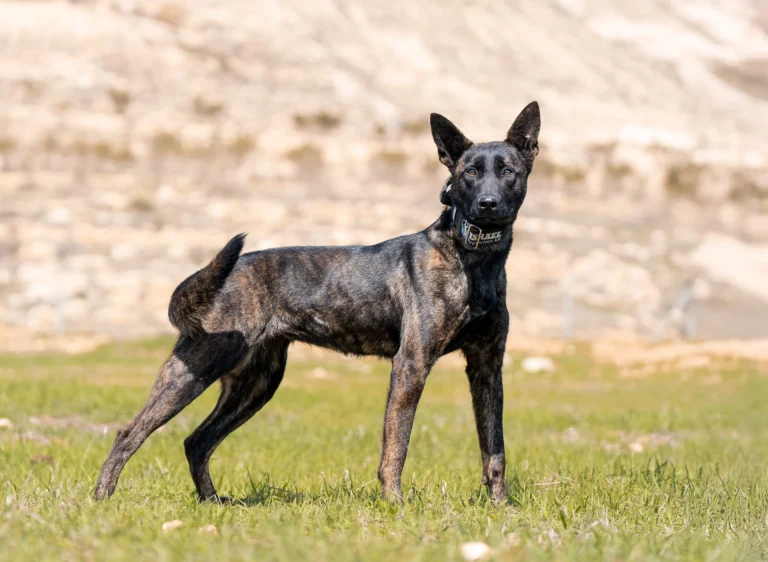
| Dutch Shepherd | You want drive with a calmer home life | You can’t provide regular exercise |
When you meet a dog, watch how it behaves in the quiet moments. Does it settle when you sit down? Does it walk without pulling? Does it respond when you speak at your normal volume? A calm, biddable dog will serve you far better than an impressive one you find hard to manage. You can compare energy levels by breed before you start looking.

How Does Living Alone Change Daily Life With the Dog?
With nobody else at home, every part of the routine falls to you. That has real advantages: one person means one set of rules, which dogs find easy to follow. It also means the dog can become very attached to you, so build in short periods apart from the first weeks. Let the dog rest in its own spot while you’re in another room, and leave the house briefly and calmly.
Think about visitors too. Decide how the dog should behave when a friend, a carer or a repair person comes over, then practice that with the trainer. Knowing the dog’s routine for guests will help you feel confident opening the door. Our guide to daily handling techniques is a useful place to start.
What Support Do You Get From IPK9?
We bring the dog to you and stay for a week of hands-on coaching, covering commands, handling and the situations you’re most likely to face. Weekly Zoom calls follow during the first month. After that, our team stays reachable around the clock through a group chat for as long as you have the dog. If you live alone, that means you’re not working anything out by yourself.
FAQs
Am I too old for a protection dog?
Age alone doesn’t decide it. Your strength, routine and support network matter far more than the number.
Should I get a smaller dog instead?
A small dog can alert you to a problem and be excellent company, but true protection work has physical demands. Decide which of those you actually need.
Will the dog be gentle with my grandchildren?
A properly raised and trained dog should be stable around children, but always supervise visits. Read whether protection dogs are safe with children.
Can a protection dog also be a companion?
Yes. Our puppies grow up in family homes, and our dogs are trained to live calmly indoors.