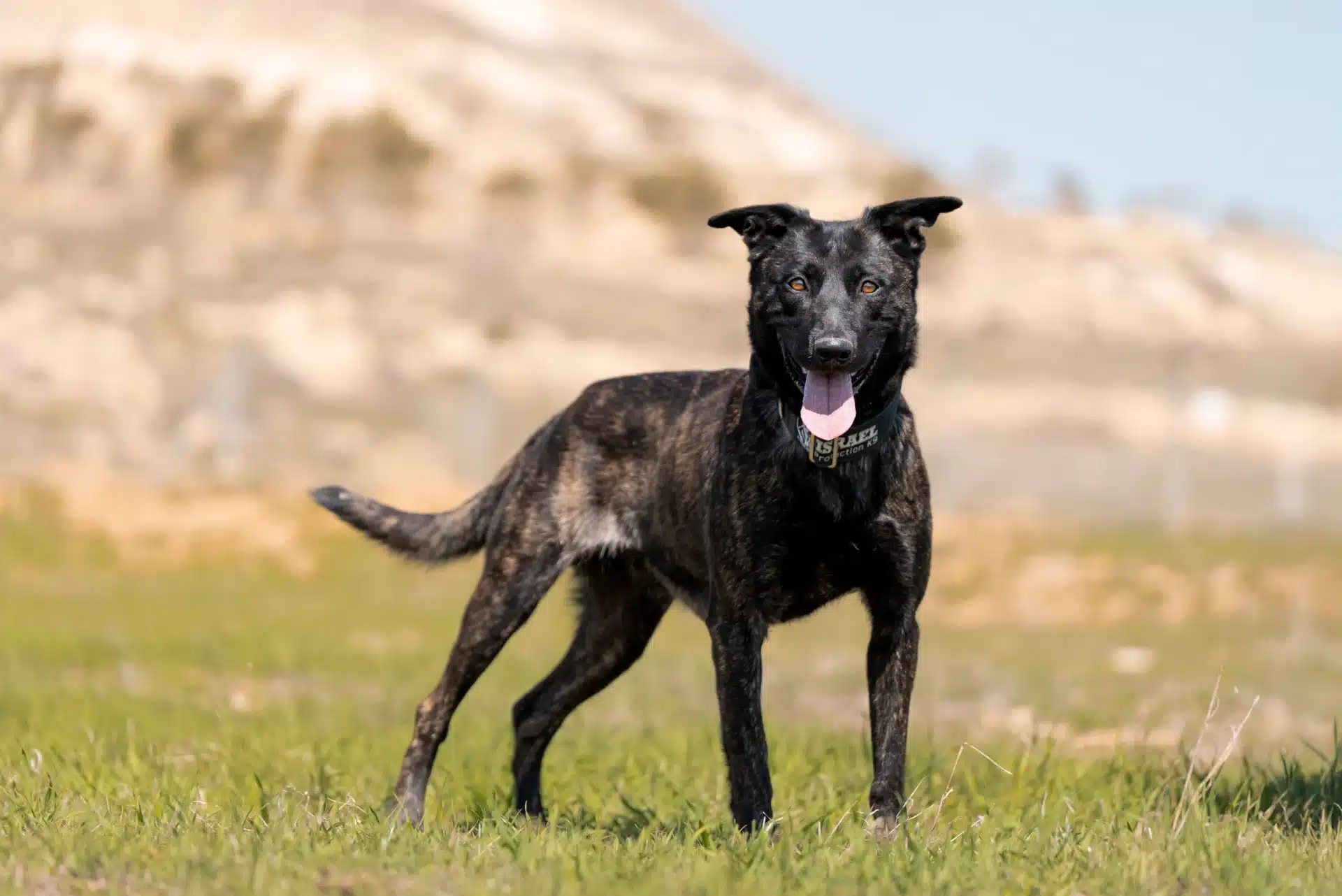
Dutch Shepherd
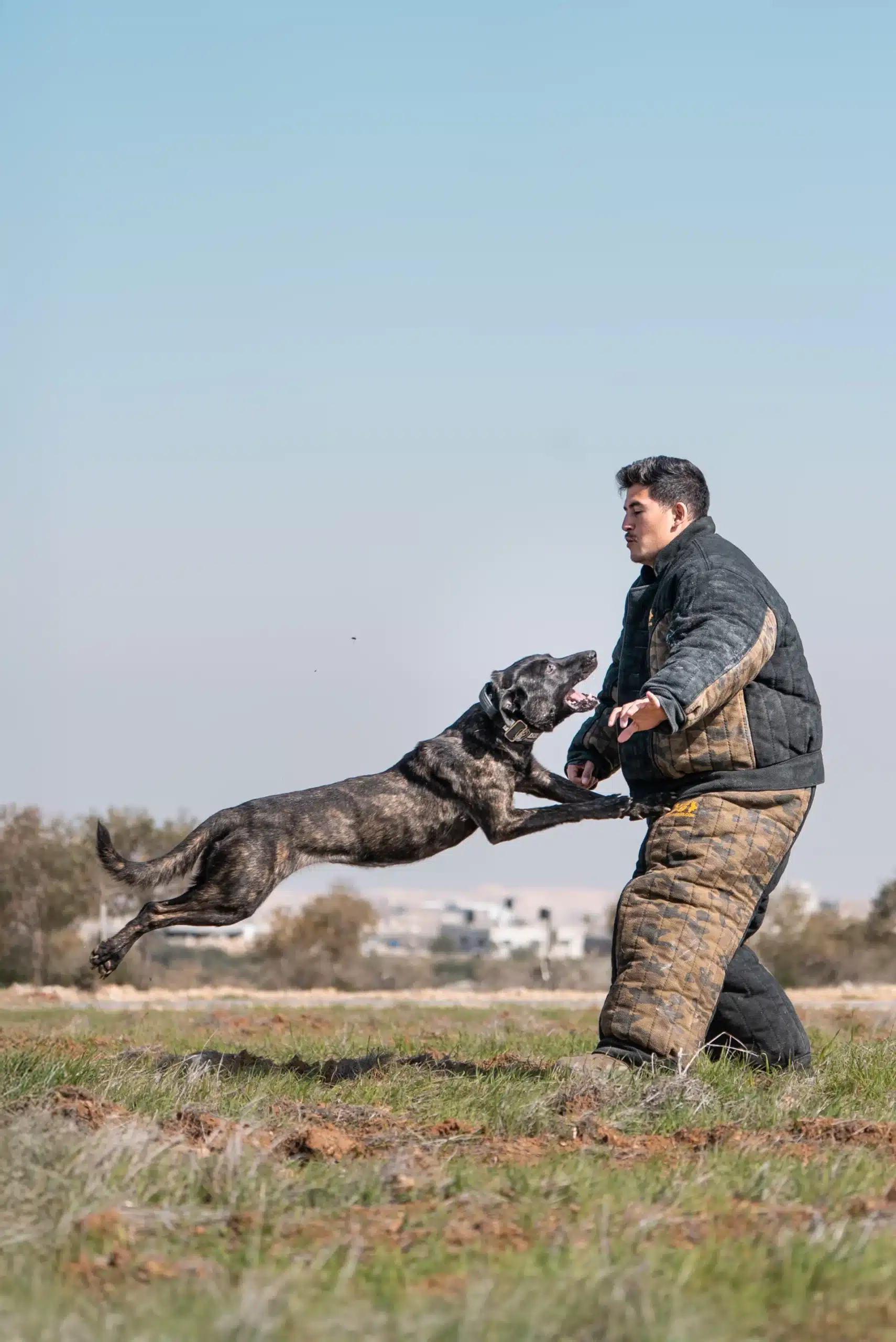
Introduction
The Dutch Shepherd is a highly capable working dog, developed for real-world tasks under genuine pressure, not for fashion or decoration. The term “protection dog” often conjures the image of a powerful, visually impressive animal at the end of a leash. In reality, a true protection dog embodies far more specific qualities: stability around the family, mental clarity, confidence in unfamiliar environments, and the ability to respond instantly and appropriately to genuine threats. Properly selected from proven working bloodlines and trained to exacting standards, the Dutch Shepherd possesses all of these traits in a single, exceptional package.
At Israel Protection K9, Dutch Shepherds are chosen for temperament, nerve strength, and the capacity to function seamlessly in daily life. Selection begins in prebreeding, assessing courage, recovery, self-control, and willingness to engage with a handler. The training process develops these dogs into clear, reliable protection partners, capable of integration into a home environment, accompanying a family during travel, and performing serious protection work when required. For clients seeking a dog capable of standing effectively between a threat and those under its care, the Dutch Shepherd ranks among the most formidable options available.
This page provides a practical, direct overview of the breed, including origins, bloodline development, physical characteristics, behavioral traits, and the type of owner best suited for its capabilities. All information is presented from the perspective of professional working dog trainers rather than show-ring standards or general pet guides. By the conclusion, the suitability of the Dutch Shepherd for personal, family, and professional protection will be clear, along with the reasons IsraelProtectionK9 continues to invest in this breed as a cornerstone of elite training programs.
Breed Origins / History
The Dutch Shepherd originated in the Netherlands as a true farm and village dog. In its early days, duties were straightforward but demanding: moving sheep, guarding fields, deterring strangers, and responding to anything unusual on the property. Farmers did not prioritize coat patterns or show points; the primary concern was whether a dog could work from morning until night, think independently, and remain loyal to the family. This practical selection produced a dog that was resilient, intelligent, and always prepared to act.
As society changed and large numbers of people moved away from small farms, the role of the Dutch Shepherd evolved. Rather than guarding fields, many dogs entered police programs, military kennels, and early protection sports. A significant influence in this development was the Dutch police trial program, KNPV, which tested dogs in tracking, obedience, biting work, and high-pressure scenarios. Dogs that performed at a high level frequently became police service animals, while others were placed in working homes or retained for breeding. This rigorous system produced multiple generations of dogs proven under demanding conditions.
Over time, Belgian Malinois and Dutch Shepherd bloodlines were combined within these working programs. The objective was never to preserve a purely visual type, but to enhance working ability. Many modern Dutch Shepherds used in protection today reflect this combination: exhibiting Dutch-style coats and brindle patterns while drawing working character from both Dutch and Belgian lines.
Today, the Dutch Shepherd continues to serve in police work, private security, and high-level protection sports. While not as widely recognized in the media as the German Shepherd or Belgian Malinois, the breed commands considerable respect within the working dog community. Selection focuses on dogs that uphold this tradition, descending from families proven in real work and capable of maintaining these functions in modern home environments.
Bloodlines
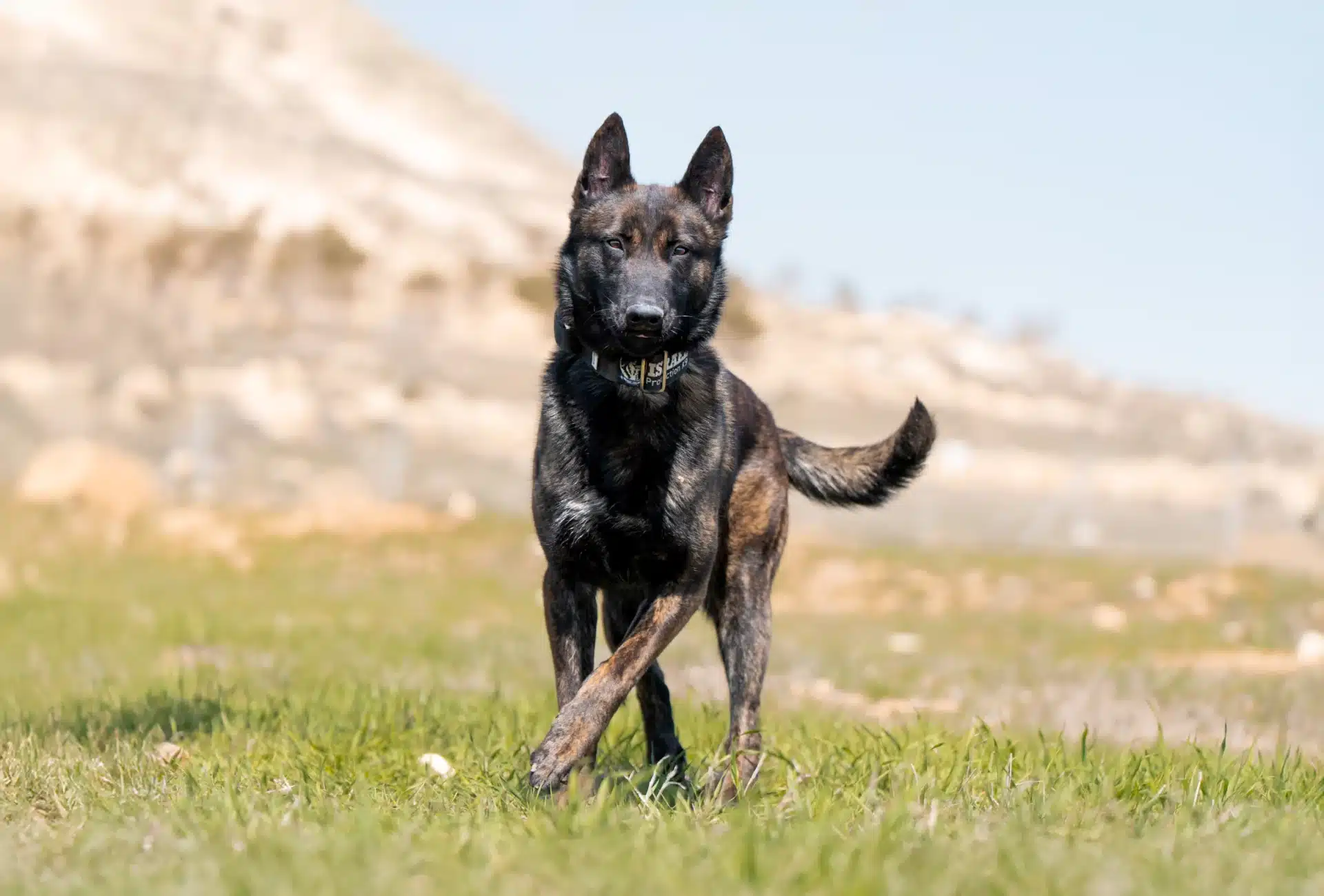
When discussing Dutch Shepherds for protection work, the focus is on bloodlines, families of dogs that pass on specific traits. In some breeds, a clear separation exists between show lines and working lines. In the Dutch Shepherd, particularly within serious working circles, this distinction is defined more by purpose than by paperwork. Dogs selected for protection work are almost always from mixed Dutch and Malinois working families developed through KNPV and similar programs.
Working bloodlines are chosen for strong nerves, high drive, appropriate aggression, and rapid recovery from stress. Dogs from these lines exhibit early interest in biting, natural chasing instinct, and enthusiasm for possession of toys or sleeves. They also demonstrate curiosity and confidence in new environments. By contrast, show or pet lines often lack these traits or express them only weakly, making them unsuitable for serious protection work.
Within the working dog community, references to KNPV lines, FCI Malinois lines, and various kennel names are common. KNPV-type dogs are generally heavier, with more substance and a commanding presence, originally bred for police work requiring toughness and controlled aggression. FCI working Malinois lines tend to be lighter and more refined while maintaining speed and drive. Many modern Dutch Shepherds are bred from a combination of these two types, retaining Dutch coat and pattern while deriving power, speed, and drive from Malinois ancestry.
Bloodlines affect not only training performance but also family adaptability. Dogs from balanced working lines display strength and drive on the training field while remaining calm and controlled in the home once boundaries are understood. Conversely, dogs from unstable or poorly defined lines may exhibit scattered aggression, weak recovery, or fragile nerves. Careful evaluation of lineage, parentage, and relatives’ performance ensures selection of dogs capable of excelling both in protection work and family life.
Purchasing a Dutch Shepherd from Israel Protection K9 means acquiring more than a trained dog, it means joining a lineage of proven working dogs bred for protection. These dogs come from families specifically developed for high-pressure work, ensuring reliability, consistency, and performance in all aspects of personal and professional protection.
Physical Characteristics: Size & Weight
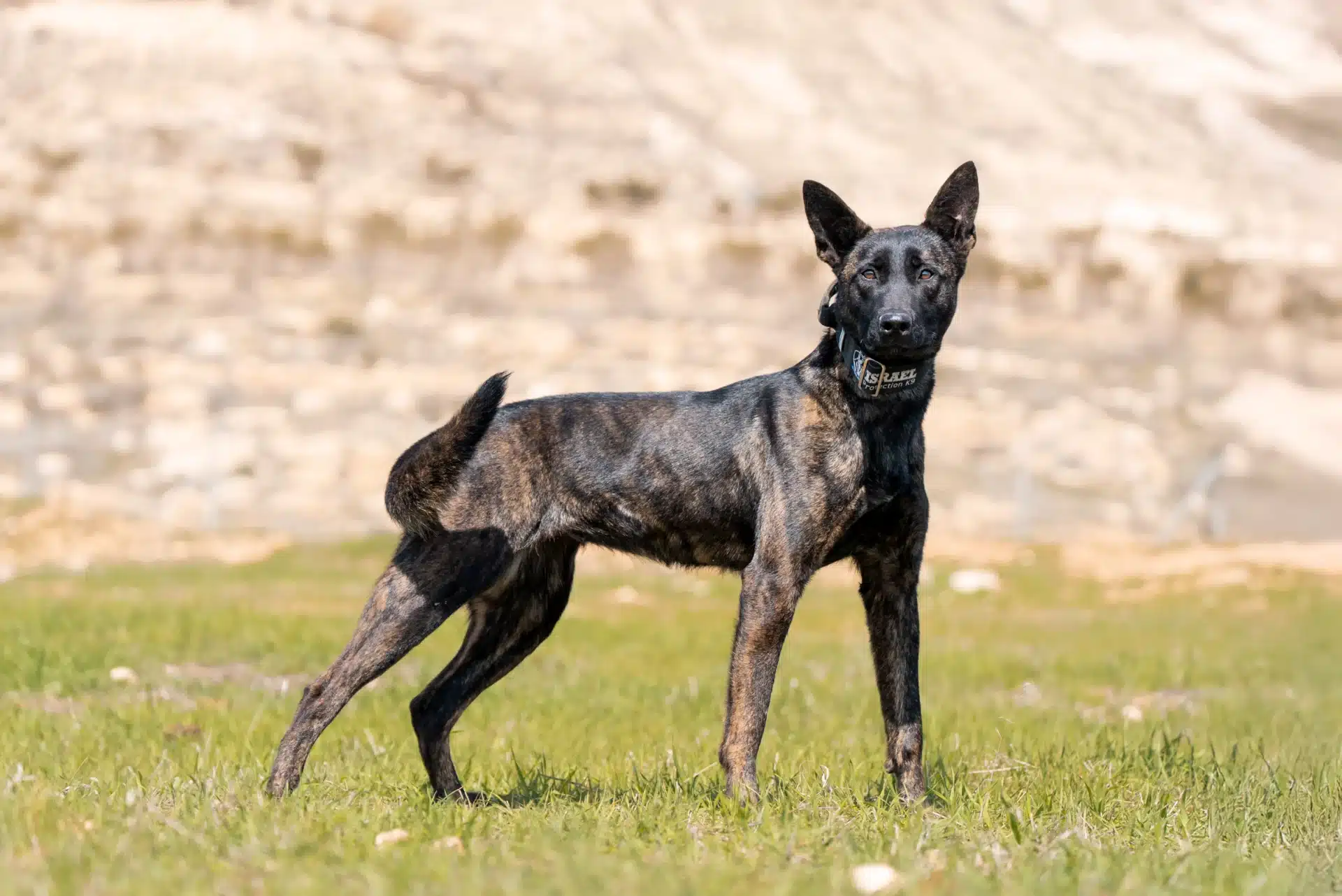
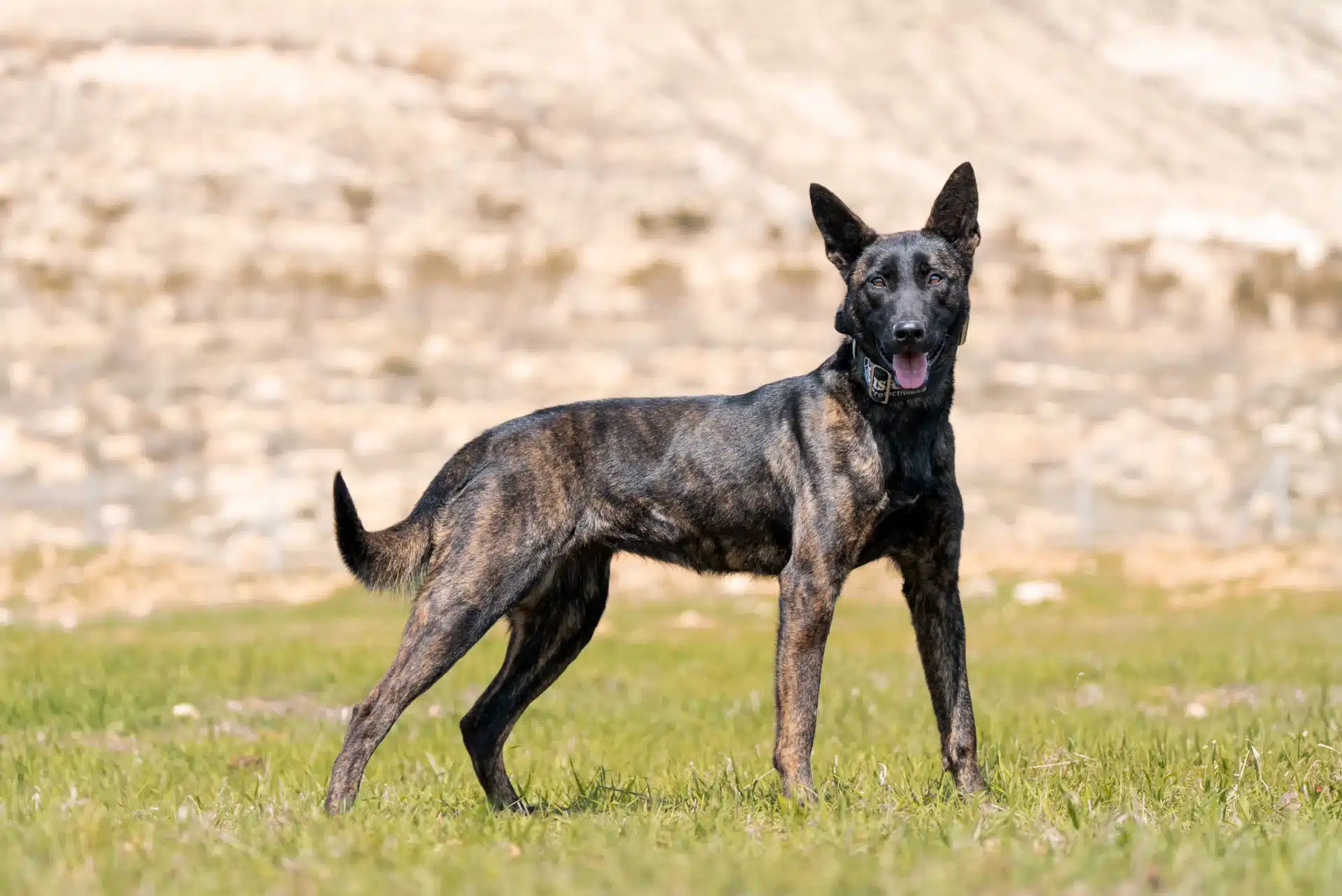
The Dutch Shepherd is a medium-to-large dog with an athletic, functional build. It combines power without excess weight and agility without fragility. Most males stand between 57 and 62 centimeters at the shoulder and weigh 30 to 35 kilograms, while females are slightly smaller, typically 55 to 60 centimeters in height and 25 to 30 kilograms in weight. Working lines may vary slightly from these ranges, but the overall concept remains consistent: a compact, muscular dog built for purposeful movement.
The body is slightly longer than tall, allowing efficient ground coverage during sprints. A deep chest supports optimal lung capacity, while a strong, flexible back provides balance and durability. The neck is powerful, enabling a full, committed grip during bite work. Legs are straight and well-boned, offering impact support without compromising speed or agility.
Variation between bloodlines is apparent in head shape, overall mass, and movement style. Dogs influenced by KNPV breeding tend to be more robust with heavier bone, whereas those with greater FCI Malinois influence are often lighter and exhibit very quick, fluid movement. Visual style is secondary to function; the primary focus is correct movement, secure grip, and physical soundness over a working lifespan.
The Dutch Shepherd is an ideal size for personal protection. Large enough to deter or physically stop a threat, yet compact enough to adapt comfortably to home, vehicle, or urban environments. Attention to structure and health is critical, as a protection dog unable to move correctly or prone to injury offers limited practical value. Every Dutch Shepherd is evaluated under real working conditions- jumping, climbing, biting, and moving on diverse surfaces- to ensure the body can withstand the demands of high-level protection work.
Coat & Color Variations
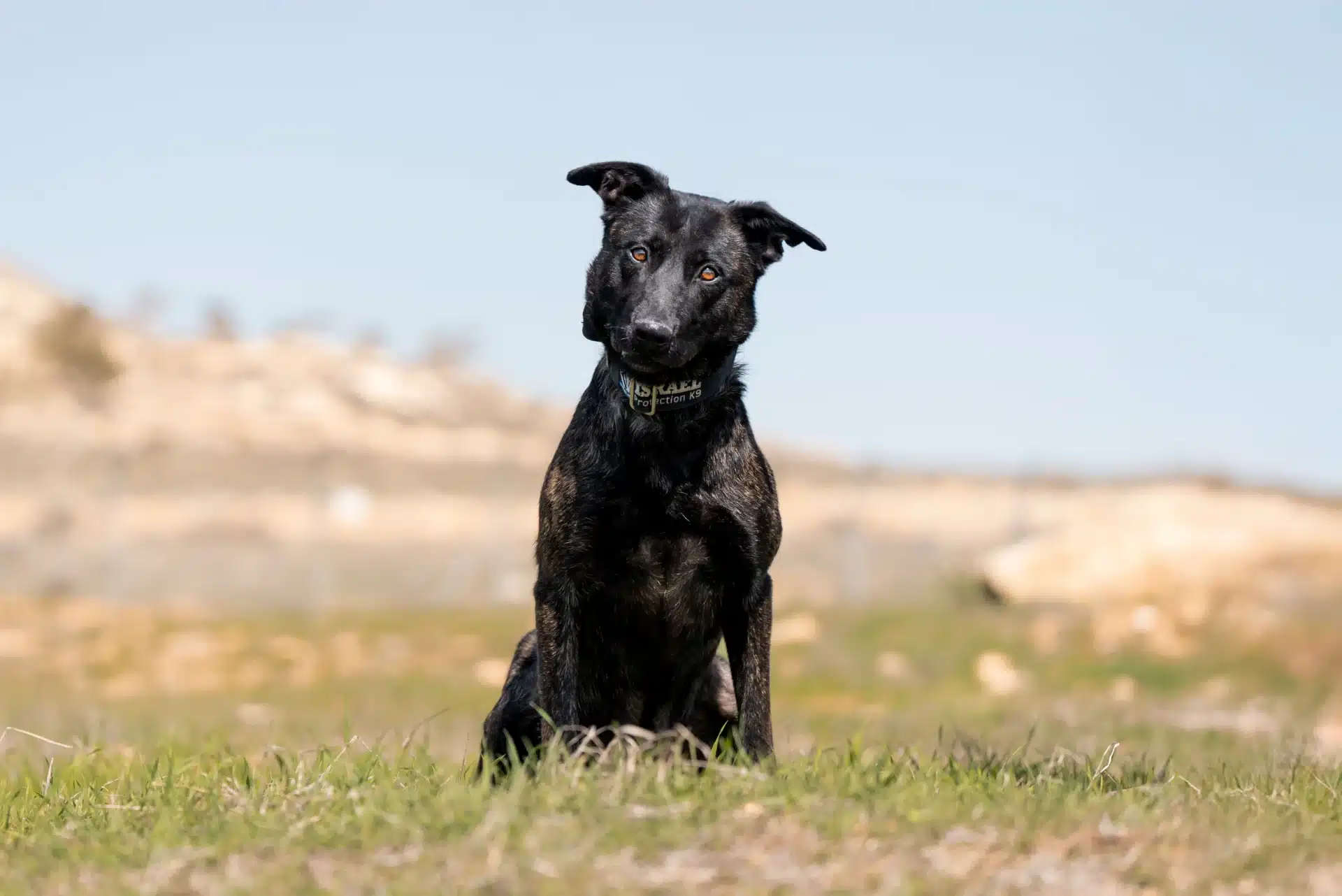
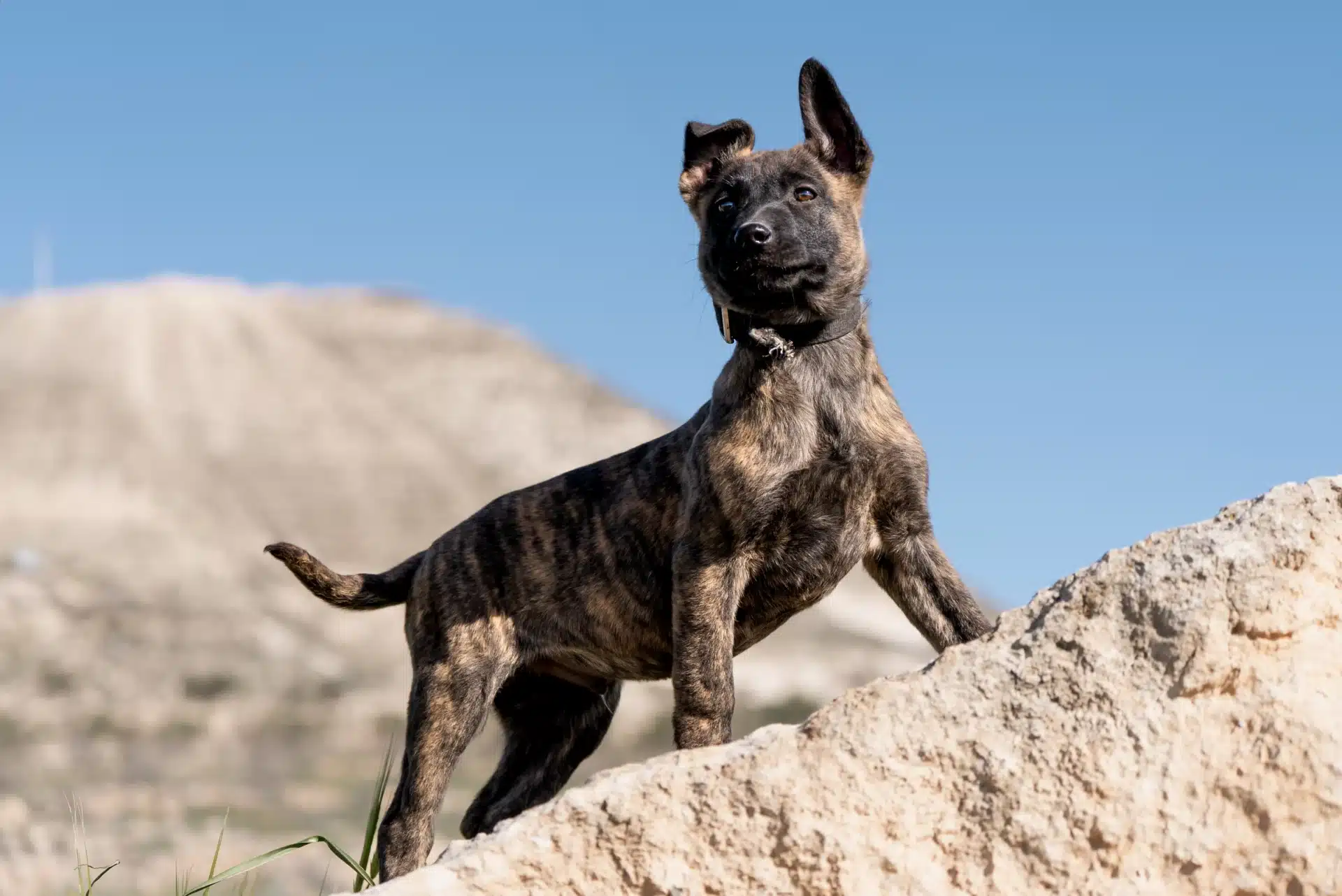
The Dutch Shepherd appears in three coat types: short, long, and rough. For serious protection work, the short coat is the most practical. It lies close to the body, requires minimal maintenance, and is less prone to collecting debris or moisture compared with long or rough coats. This practicality is especially important for dogs that train across varied terrains, buildings, and vehicles. A short coat also allows clear observation of muscle structure and overall physical condition.
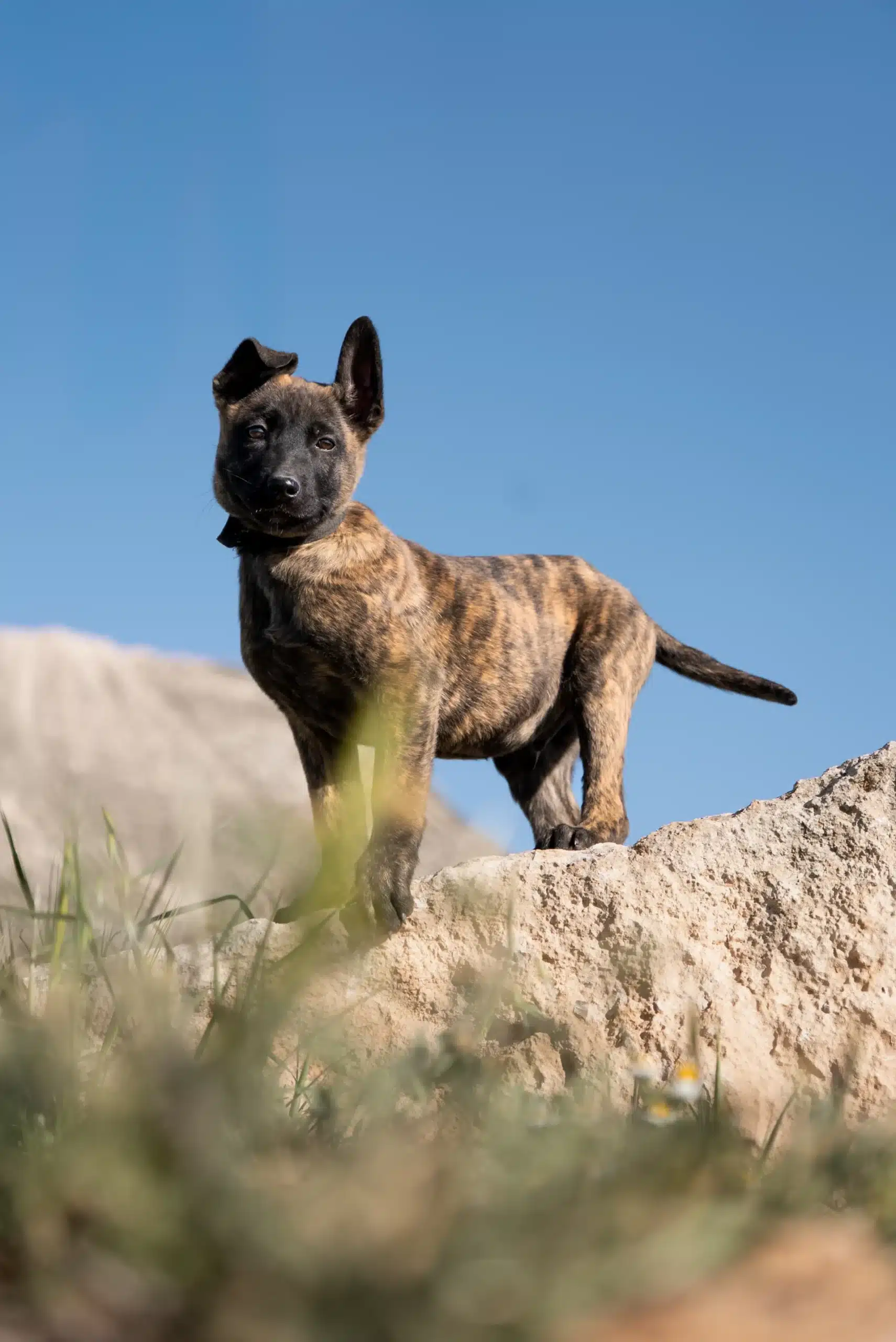
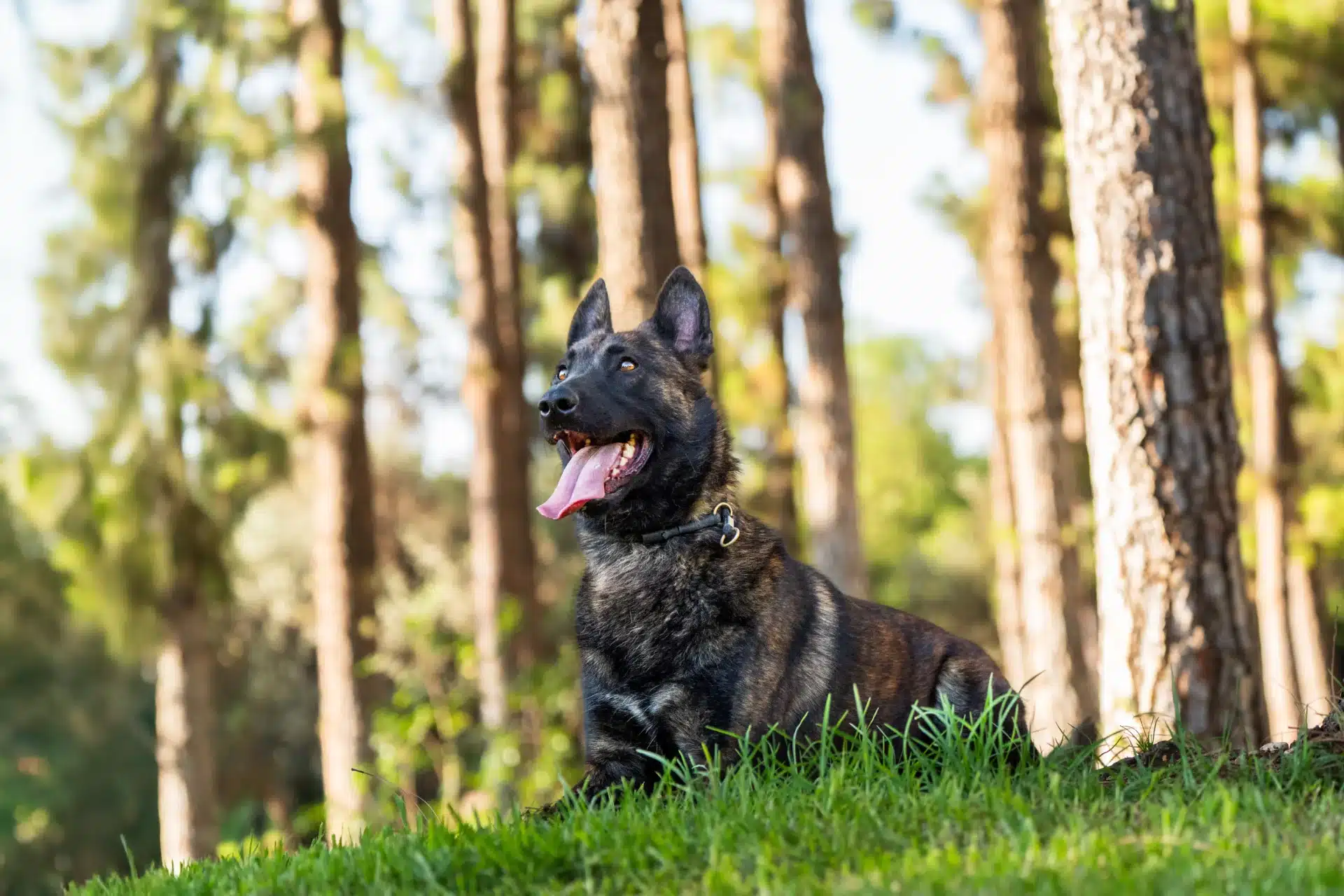
The traditional color of the Dutch Shepherd is brindle, ranging from golden tones to silver or gray variations. Brindle patterns originally served to distinguish Dutch Shepherds from German Shepherds. In working bloodlines, darker brindles often convey a strong, serious appearance. Rare colors such as pure black typically indicate influence from other breeds rather than classic Dutch Shepherd lineage. While color does not affect temperament or character, it provides insight into the bloodlines behind the dog.
Short-coated Dutch Shepherds exhibit moderate shedding, with seasonal coat loss and some year-round hair drop. Regular brushing and proper nutrition maintain coat health and ease of care. For working families, this represents a practical balance between maintenance and functionality. Selection focuses on temperament, health, and working potential rather than coat color or type. Guidance on coat care and grooming is provided during handover to ensure day-to-day maintenance is straightforward and manageable.
Lifespan & Health
A well-bred Dutch Shepherd has an average lifespan of twelve to fourteen years. For a working breed of this size, this represents a solid longevity. Factors such as workload, climate, nutrition, and general care influence how long an individual dog remains active at a high level. Structurally, the primary genetic concerns are hip dysplasia and elbow dysplasia, common in medium-to-large breeds. Responsible breeders and working kennels routinely screen for these conditions, avoiding dogs with significant issues in their breeding programs.
Other potential concerns include certain eye conditions and general wear from high-impact work. Dogs that frequently jump, strike bite sleeves with full force, or climb obstacles require careful conditioning, warm-up, and cool-down routines. Protection dogs are treated like athletes, with controlled training surfaces, monitored repetition, and careful observation of recovery after intense activity. This approach safeguards the dog’s health while protecting the long-term investment of the owner.
Before entering a working program, each Dutch Shepherd undergoes a veterinary examination and movement assessment, evaluating gait, back strength, and confident body carriage. Training includes continuous observation for signs of discomfort or irregularity. Full health records, including history and relevant test results, are provided to prospective owners. The overarching objective is to ensure the dog can perform and protect safely and reliably for many years.
Personality & Temperament
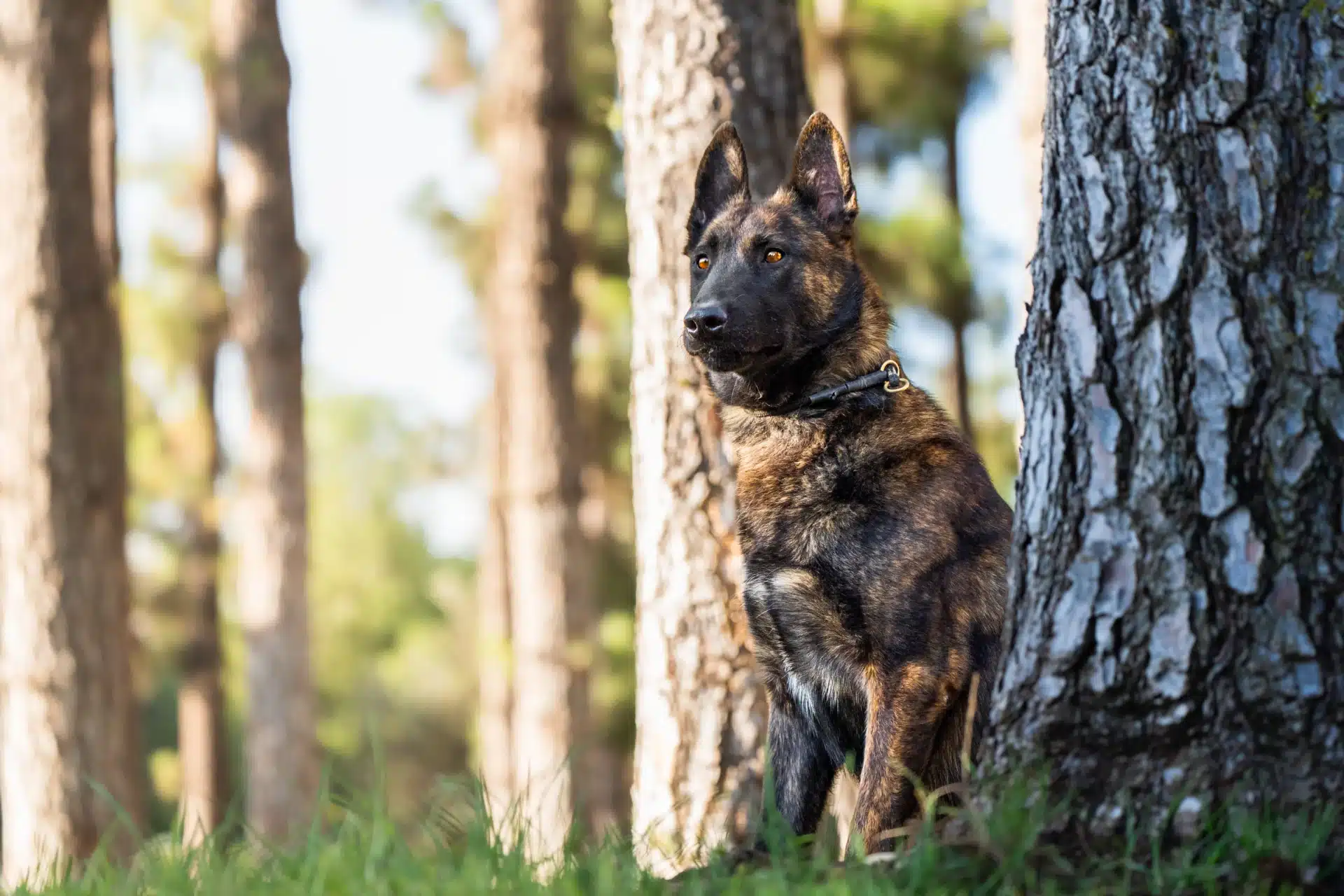
The personality of a properly bred Dutch Shepherd is a primary reason the breed is favored for protection work. It combines alertness and seriousness when required with the capacity for calm, composed behavior in the home. Dogs from working bloodlines typically display confidence in new environments, openness to learning, and readiness to engage in play or work when invited. This is neither a passive nor a nervous breed; rather, it demonstrates a solid, balanced character.
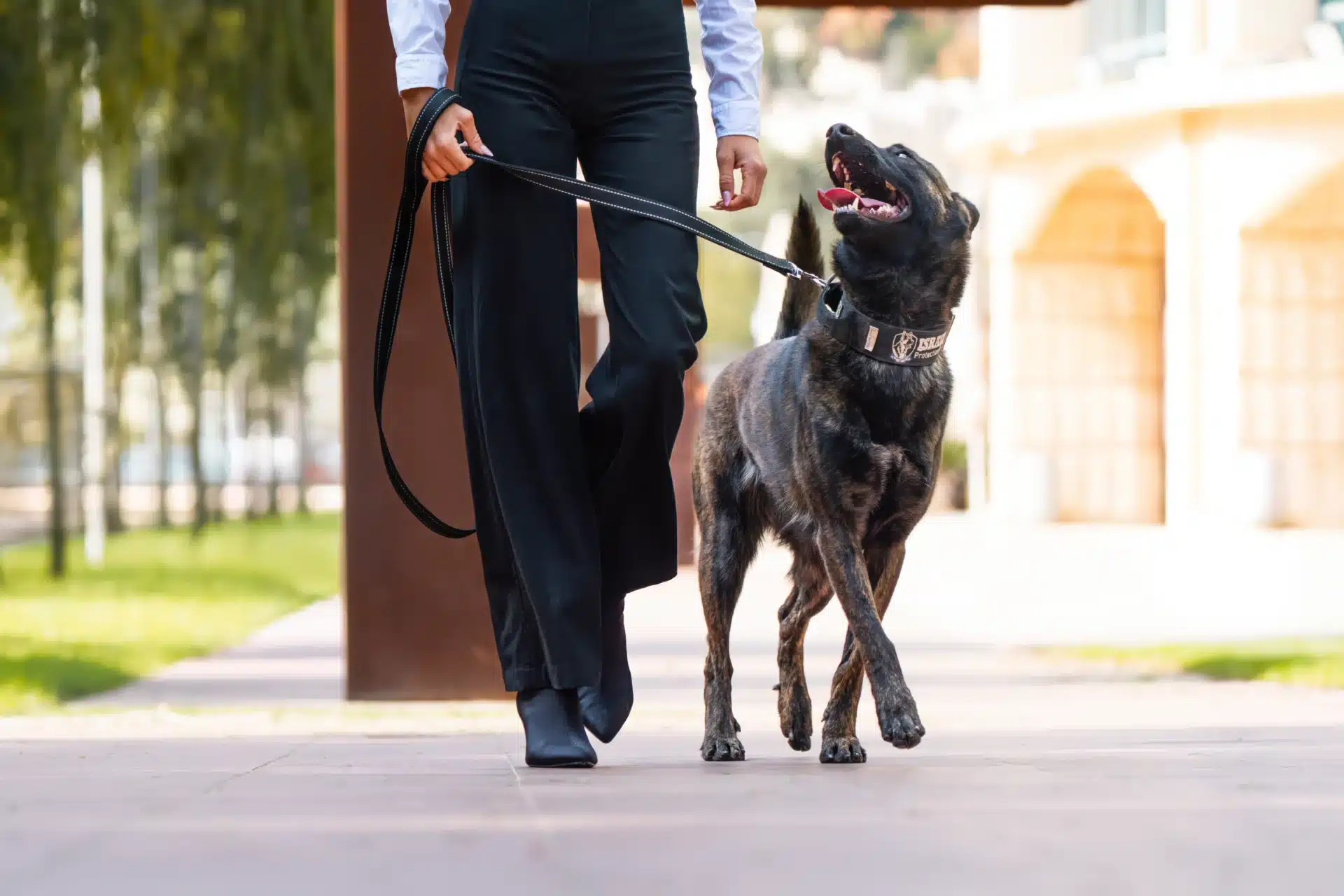
In a family setting, a trained Dutch Shepherd is loyal and closely bonded with its handler. The dog moves naturally with the family through daily life and, when clear rules are established, can relax indoors, rest in a crate, and transition seamlessly into work mode when called. Interaction with strangers is generally cautious or neutral. The dog observes, evaluates, and responds to handler cues rather than seeking attention indiscriminately—an important trait for personal protection.
Behavior around children and other animals depends on the individual dog and early socialization. Dogs selected for family environments are trained to remain stable and controlled around children and pets, while retaining their protective instincts. The Dutch Shepherd’s suitability for protection work stems from a combination of mental clarity, strong drive, and the ability to shift quickly from defensive alertness to calm once a situation is under control.
Sensitivity to Handler
Dutch Shepherds are highly attuned to their handler, quickly reading body language, tone of voice, and subtle changes in routine. Some bloodlines produce softer dogs that respond immediately to mild cues, while others produce firmer dogs capable of accepting stronger correction without losing confidence. Effective training programs recognize these differences and adapt methods to the individual dog rather than applying a uniform approach. This heightened sensitivity allows the dog to form a strong, responsive partnership with the handler, which is essential for reliable performance in high-pressure protection work.
In protection work, the handler is integrated into the dog’s decision-making as part of the team. The dog learns to perceive the handler as the one who guides control of the situation and manages threats. During bite work, this means the dog remains calm and committed when the handler approaches, trusting that the handler will manage the engagement safely. This approach minimizes conflict between dog and handler and cultivates a dog that is confident and comfortable operating under direction. Consistent teamwork reinforces the dog’s reliability and ensures precise, controlled responses even in high-stress or unpredictable scenarios.
For new owners, the Dutch Shepherd’s sensitivity is a significant advantage. Once the dog is introduced to a new home and routines are consistently applied, it quickly attunes to the handler, learns patterns, and adapts to the daily rhythm of family life. Clear structure and consistent guidance enhance the dog’s performance and reliability. This same sensitivity, however, means the breed is not suited for owners unwilling to invest time, attention, and active handling. The Dutch Shepherd is a highly intelligent, responsive dog that expects an equally thoughtful and engaged human on the other end of the leash.
Energy Level & Exercise Needs
Working Ability & Drives
Working Ability and Drives
What truly distinguishes the Dutch Shepherd from many other breeds is its innate working ability. In properly developed working lines, the dog exhibits strong prey drive, clear defense drive, and a genuine enjoyment of confrontation, known as fight drive. Prey drive motivates the dog to chase and grip, defense drive enables serious responses to direct threats, and fight drive reflects the dog’s engagement in the challenge once it understands the task. Together, these drives produce a dog capable of performing reliably in real-world protection scenarios.
Bite Confidence and Environmental Adaptation
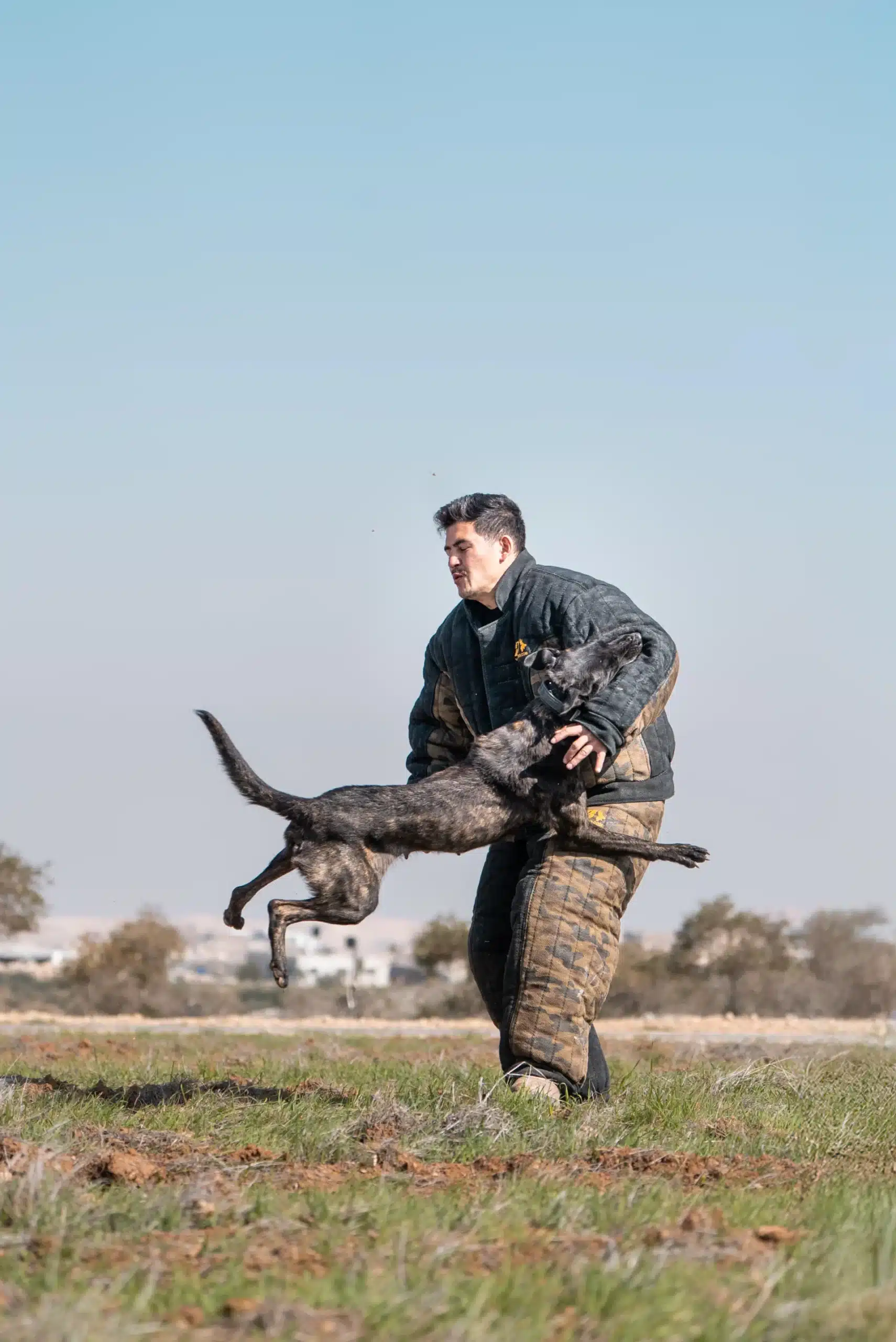
Training begins with establishing confidence in the bite, fostering a dog that enjoys the work, seeks to maintain control of the equipment, and grips with a full, calm mouth. Puppies are introduced to chasing, committing to targets, and holding without chewing or slipping. As development progresses, training incorporates increasingly complex scenarios, including different surfaces, locations, stairs, vehicles, narrow spaces, and open fields. The dog learns that biting is a controlled skill applicable in any environment, not solely on a perfect training field.
Controlled Transition and Obedience
Advanced training emphasizes the dog’s ability to transition between defensive alertness and prey engagement during a bite. A proficient protection dog can move from a defensive state into prey while maintaining focus and clear thinking. During prey engagement, the dog listens to the handler, adjusts position, and tolerates controlled pressure. Further training introduces obedience commands, recall, “out” commands, and varied pressure levels from a decoy. Prior to being offered for placement, the Dutch Shepherd demonstrates consistent stability and mastery of these essential elements.
Ideal Owner & Living Environment
Owner Considerations
The Dutch Shepherd is not a casual pet; it is a working dog capable of living in a home environment. The ideal owner seeks genuine protection, is prepared to follow structured training guidance, and is comfortable with a dog of significant capability. This does not require professional training experience, but it does demand clarity, consistency, and active involvement from the handler.
Home Environment
A secure yard is beneficial but not mandatory, provided the dog receives regular structured activity. The breed can adapt to urban apartments when exercise and training requirements are met. Families with children can successfully integrate a Dutch Shepherd, as the dogs are specifically selected and trained for this environment. The dog learns to recognize the family as its pack, treat the home as its territory, and evaluate strangers rather than automatically accepting them.
Adaptability and Travel
For owners who travel frequently, the Dutch Shepherd is highly adaptable. With structured guidance, it adjusts to hotels, vehicles, and new locations. Training prepares the dog to remain comfortable in diverse situations so that it transitions smoothly into a client’s lifestyle. In essence, the ideal owner values the Dutch Shepherd as a reliable protection tool and approaches that responsibility with respect, consistency, and dedication.
Reputation & Summary
Reputation and Reliability
Within the professional working dog community, the Dutch Shepherd is renowned for toughness, intelligence, and reliability. Although it does not receive the same media attention as some other breeds, trainers and handlers who operate in real-world scenarios regard it as one of the most complete protection dogs available. Its combination of drive, stability, and physical capability positions it uniquely among modern working breeds. This balance of mental clarity and physical aptitude allows the dog to perform consistently under pressure while maintaining control and focus.
Public Misunderstandings
Misconceptions about the breed are common among the general public. Some perceive Dutch Shepherds as uncontrollable or overly aggressive. In reality, issues typically stem from poor breeding, selection, or training rather than the breed itself. A Dutch Shepherd bred and trained correctly is controlled, clear, and predictable, protecting when required and remaining calm when the environment is safe. When properly guided, the breed demonstrates remarkable adaptability, responding appropriately to both high-stress situations and routine family life.
Professional Selection and Training
Every Dutch Shepherd placed for protection work is selected from strong working bloodlines, trained through realistic programs, and tested in a variety of scenarios. The result is a dog that integrates seamlessly into a family environment, travels confidently, and responds with decisive force when necessary. For those seeking a protection dog prepared for genuine work, the Dutch Shepherd from Israel Protection K9 represents one of the most reliable and capable options available.