

“Featured in The Jerusalem Post, recognized for our unmatched K9 protection standards and commitment to excellence.”
FAMILY PROTECTION DOGS FOR SALE
GENTLE ENOUGH TO LOVE, FIERCE ENOUGH TO PROTECT
What Makes a True Family Protection Dog?
Our family protection dogs for sale are bred and trained to live seamlessly within the home while remaining fully capable of responding to real threats. Each dog is selected for emotional stability, intelligence, and controlled protection instincts—ensuring they are safe around children, guests, and daily family life.
Through structured training and careful integration, these dogs become both trusted companions and reliable protectors, offering a level of security that feels natural, not intrusive.

As seen in


Featured on Bloomberg TV’s World’s Greatest, recognized for our unmatched K9 protection standards and commitment to excellence.



Featured in La Tribune, recognized for our disciplined K9 development program and commitment to delivering reliable security dogs.
FAMILY PROTECTION DOGS FOR SALE
BORN TO BELONG. TRAINED TO DEFEND.
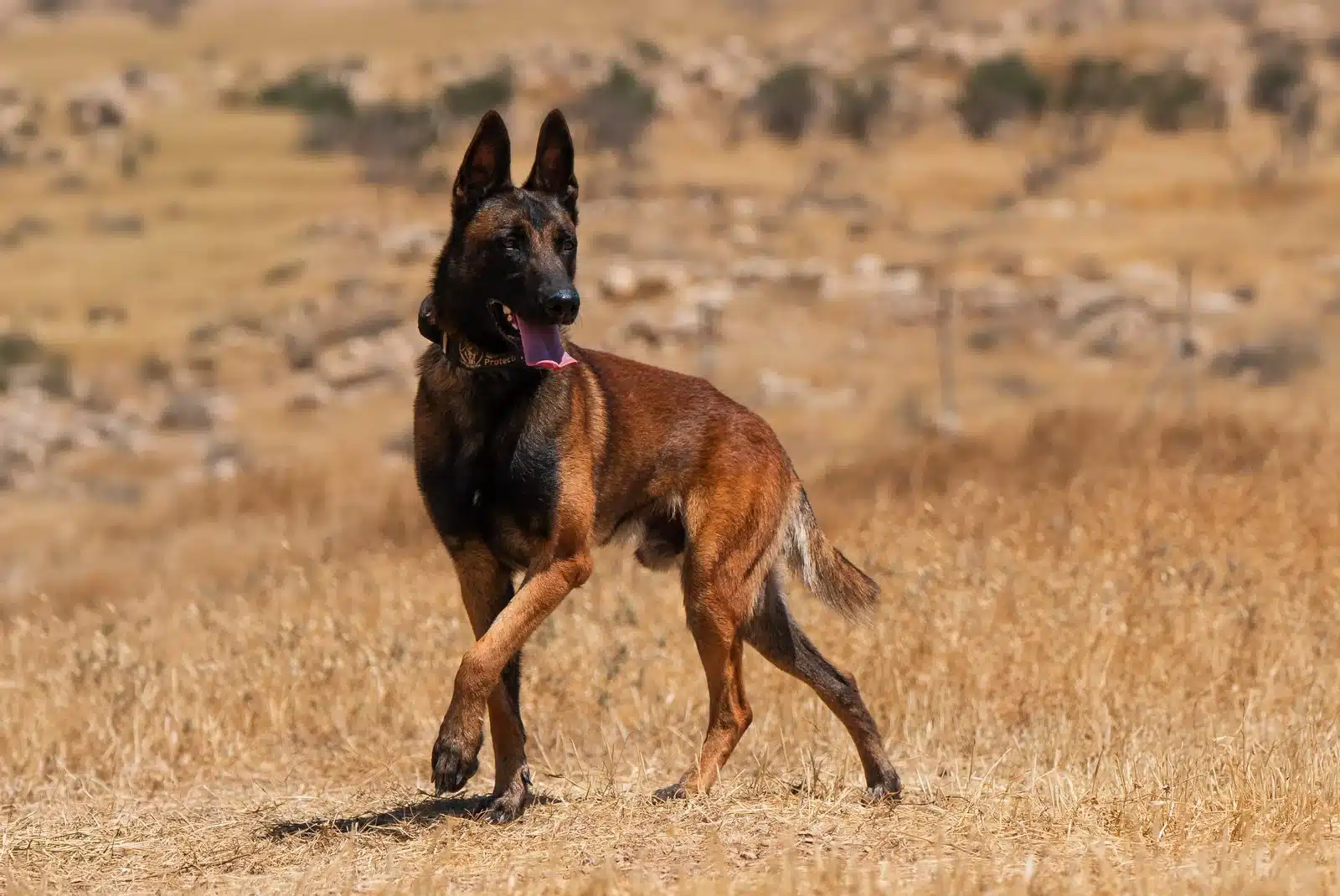
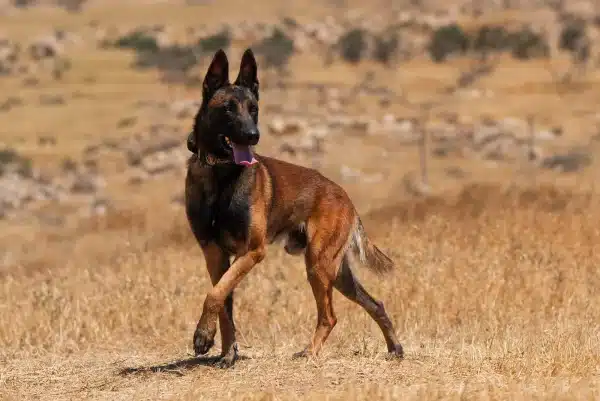
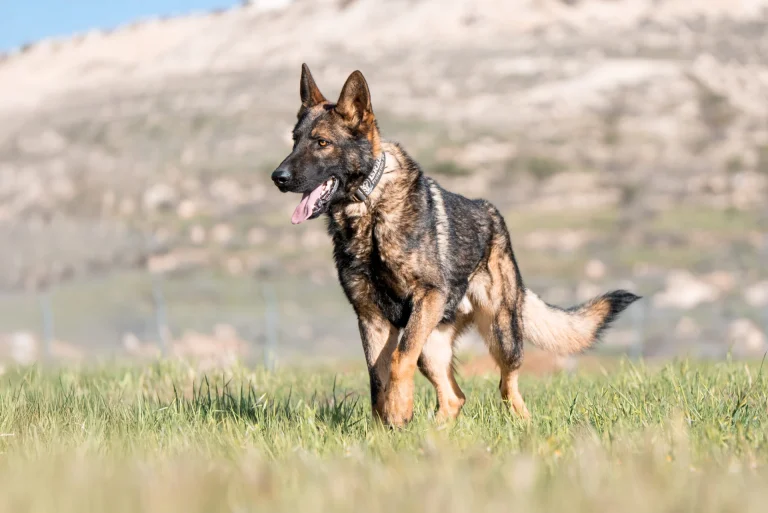
Blaze
Belgian Malinois
Blaze is a very tall male Belgian Malinois with a commanding presence. Having passed the selection test for...
Meet Blaze
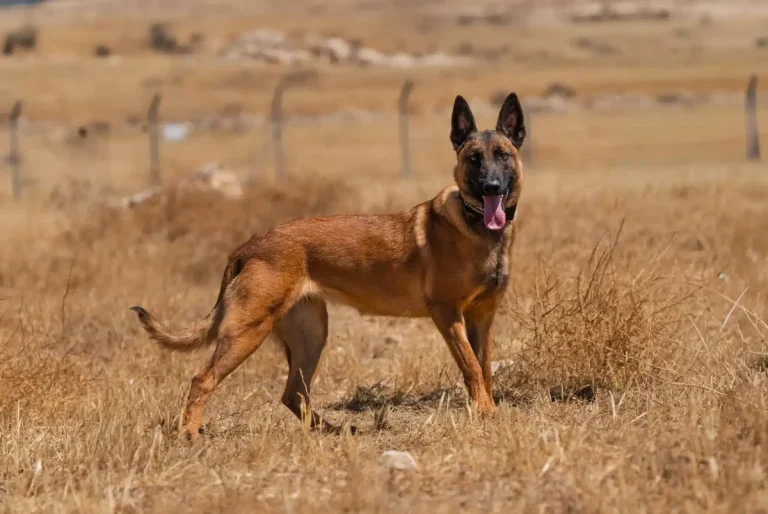
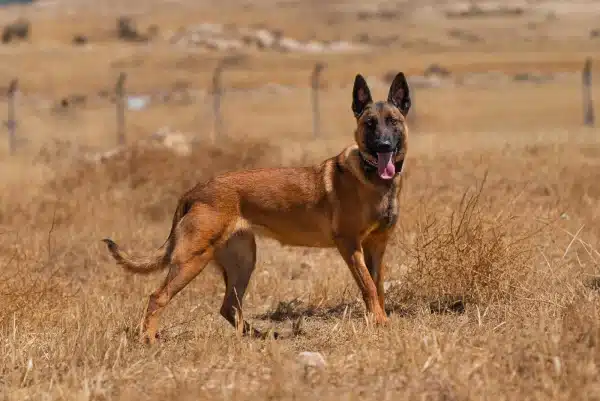
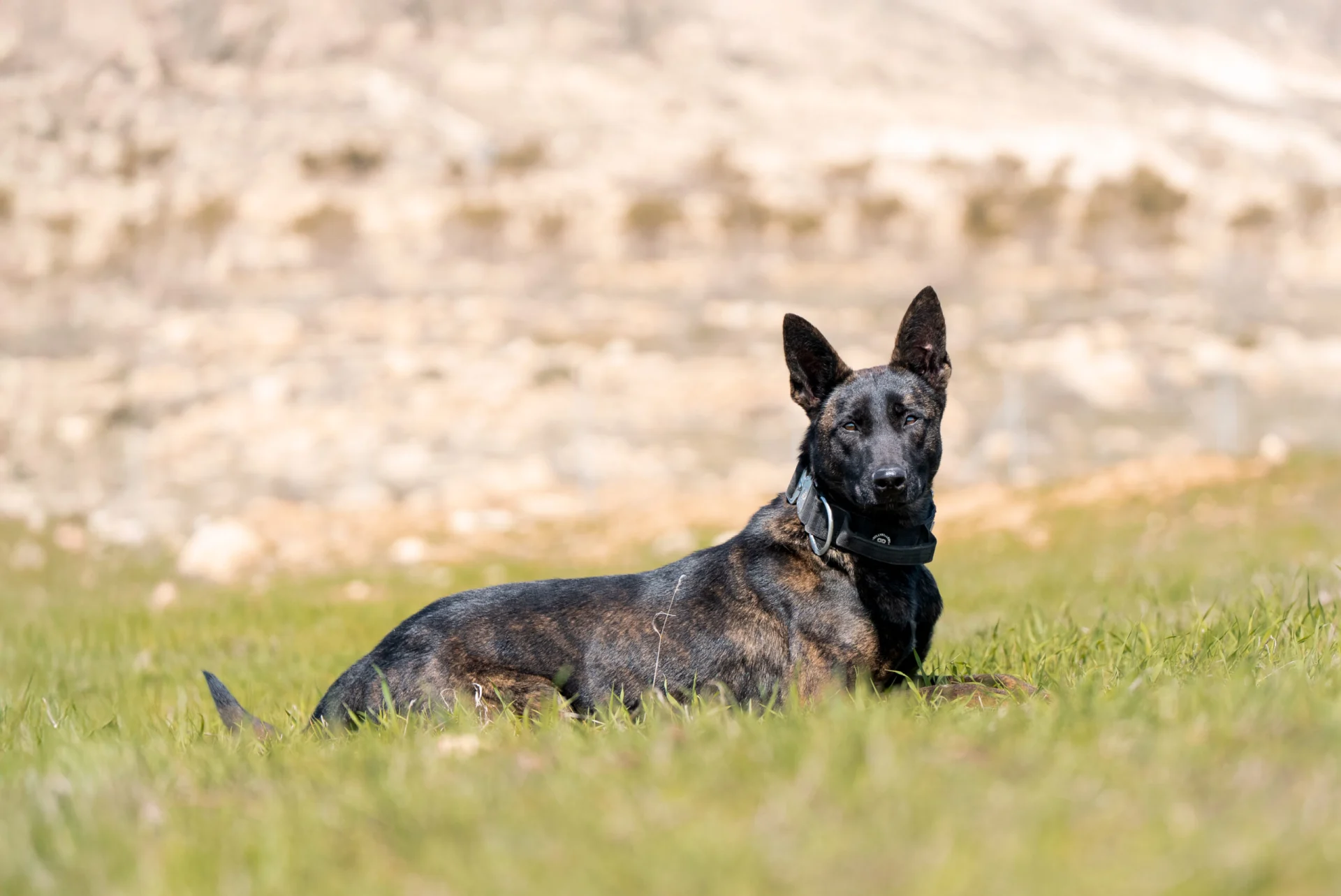
Rouge
Belgian Malinois
Rouge is an exceptionally stable and socially confident female Malinois whose complete absence of territorial drive makes her...
Meet Rouge
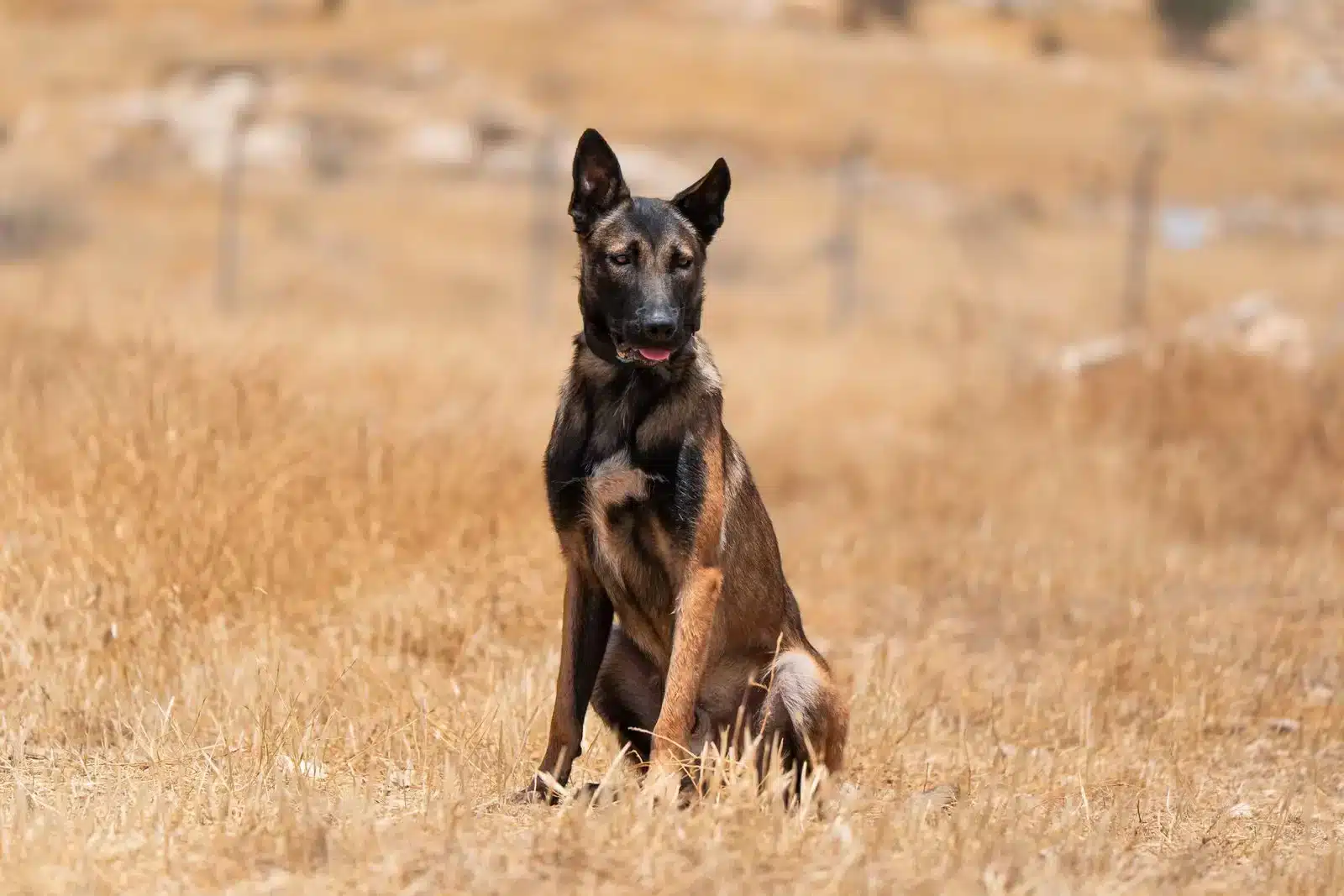
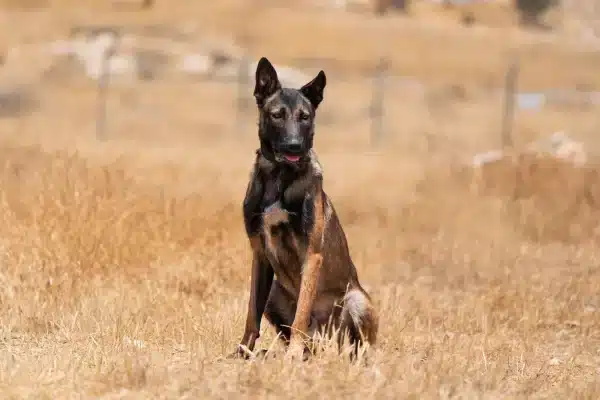
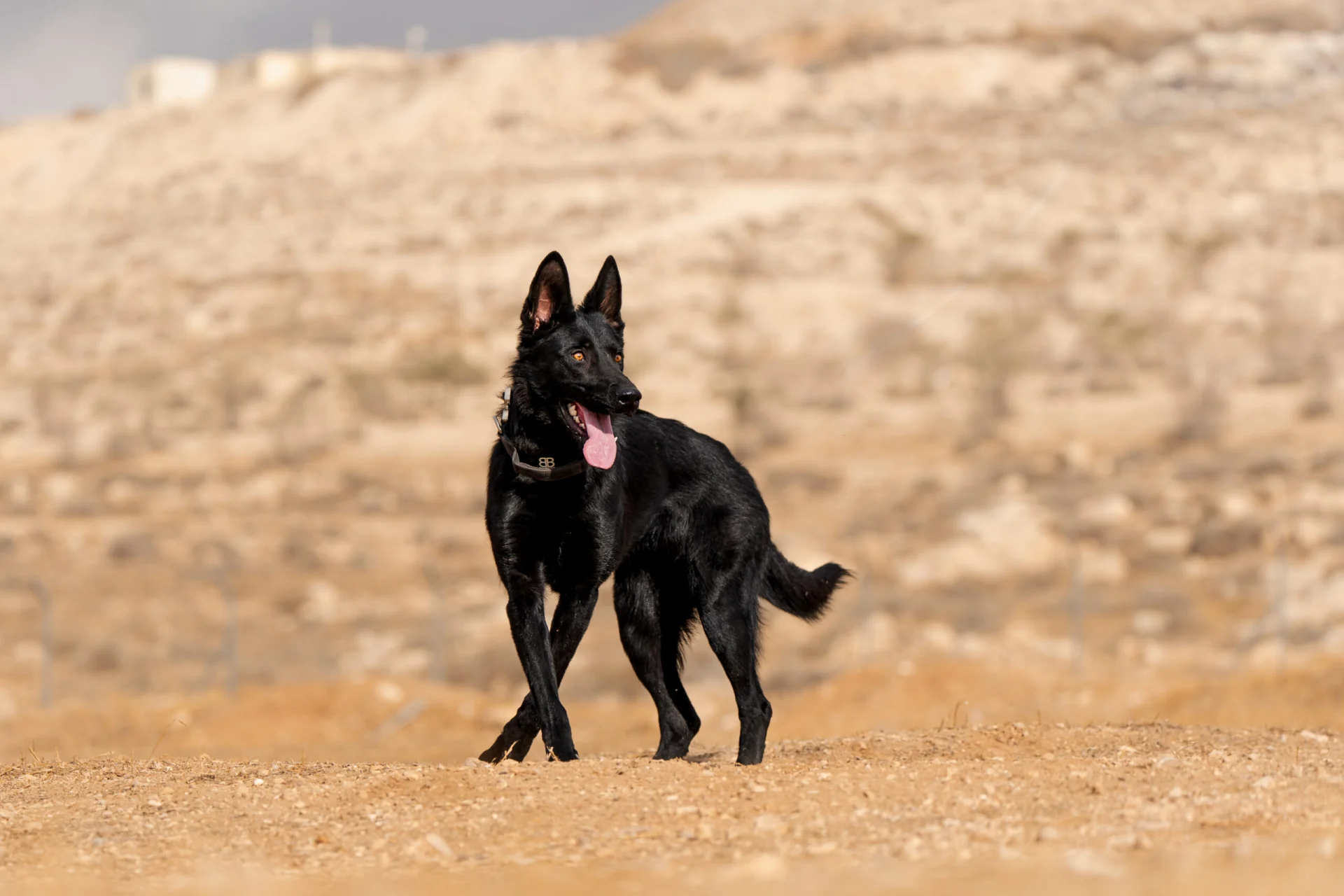
Zagan
Belgian Malinois
Zagan is a remarkably well rounded and stable male Malinois whose confidence, open sociability, and near absent territorial...
Meet Zagan
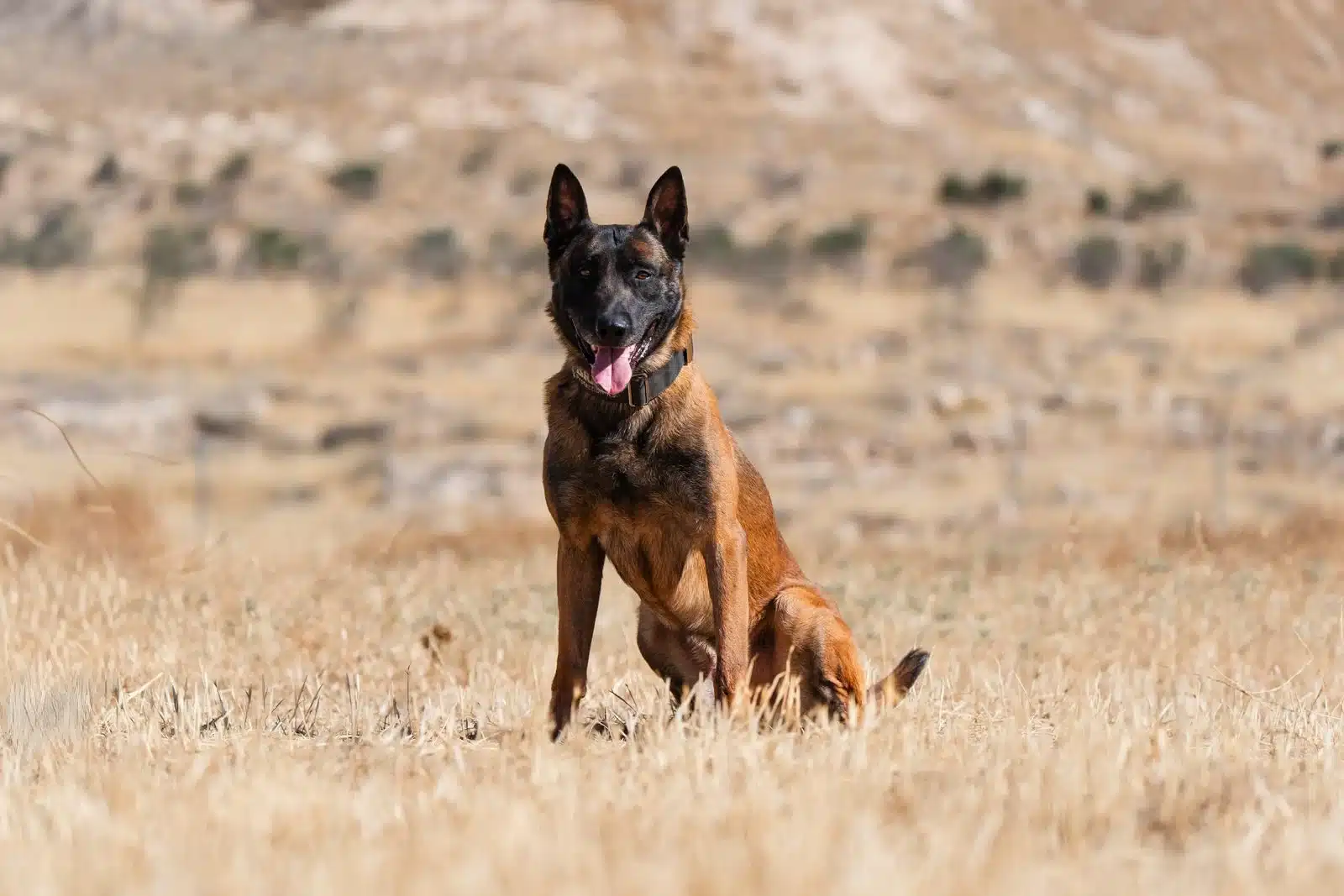
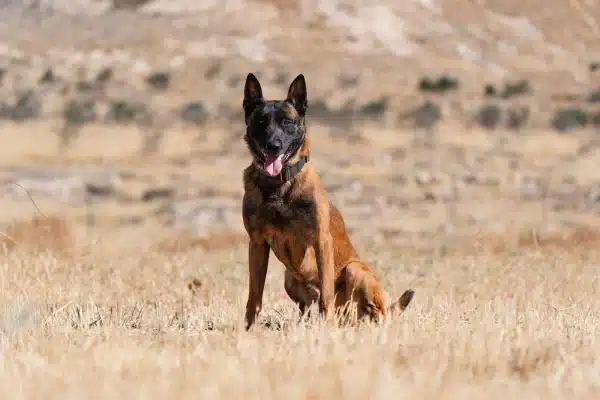
Max
Belgian Malinois
Max is the rare combination every serious buyer looks for: genuinely sweet and social in the home, an...
Meet Max
Family Protection Dogs
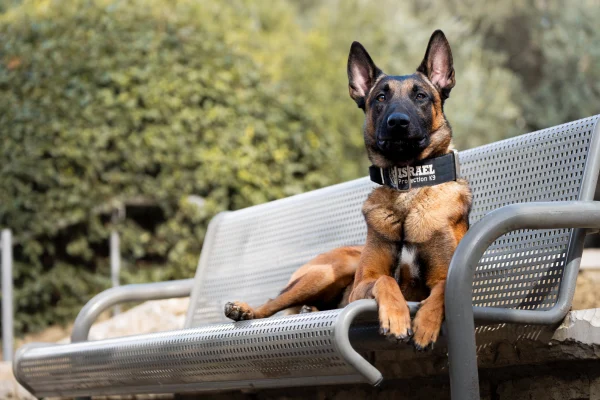
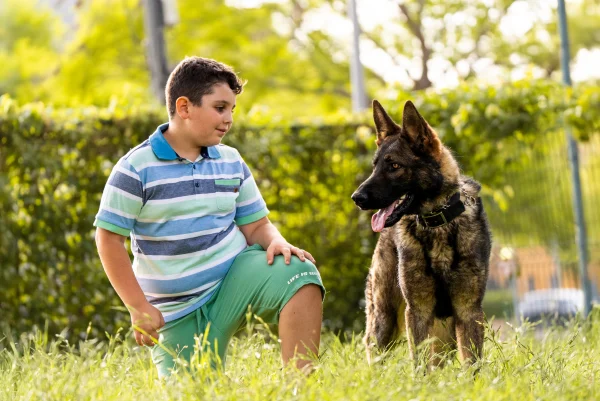
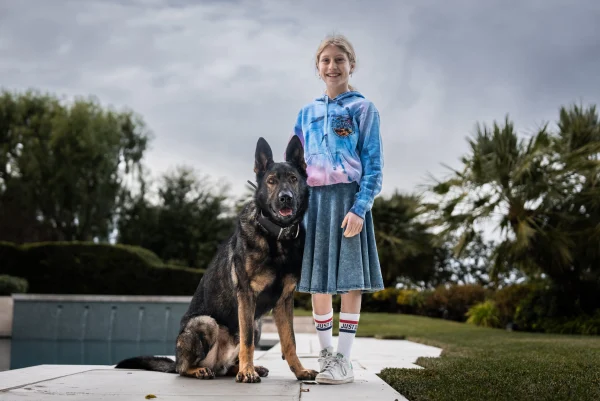
A family protection dog is a highly trained companion designed to provide safety, reassurance, and stability within the home while remaining an integrated, trusted member of the family. Unlike impersonal security systems or the potentially intimidating presence of firearms, or bodyguards, a family protection dog offers a balanced, humane form of security; rooted in discernment, loyalty, and connection rather than force. Families seeking an elevated standard of safety increasingly turn to German Shepherds, Belgian Malinois, and Dutch Shepherds because these breeds consistently demonstrate the temperament, intelligence, and working ability necessary for responsible protective roles. Their longstanding reputations are supported by measurable qualities: high trainability, strong nerve stability, exceptional problem-solving ability, and an inherent desire to bond closely with their families. Importantly, these dogs are extremely safe around children and infants. Through careful socialization and professional training, they are accustomed to the unpredictable movements, touching, and playfulness of kids and will never harm them, allowing children to interact freely while the dog remains a reliable protector.
German Shepherds
German Shepherds are widely respected for their dependable nature, confident disposition, and ability to adapt their protective instincts seamlessly to domestic environments, making them well suited for homes with children and dynamic daily routines. Belgian Malinois, known for their focus, precision, and exceptional cognitive abilities, provide vigilant yet controlled protection that aligns well with families who value both responsiveness and temperament consistency. Dutch Shepherds further complement these qualities with their balanced energy, versatility, and steady demeanor, allowing them to perform protective duties while maintaining an approachable, family-oriented presence. Across all three breeds, the defining traits remain consistent: loyalty that motivates them to remain attentive to the home environment, intelligence that enables them to differentiate between typical household activity and legitimate concern, and a natural protective drive that can be professionally shaped into reliable, safe behavior. These characteristics allow a family protection dog to offer proactive security, deterring potential threats through presence alone, while maintaining an atmosphere of normalcy within the household. Their role is not limited to response; rather, they contribute to a broader sense of wellbeing, emotional comfort, and everyday stability.
Family Benefits
Families benefit not only from the dog’s trained protective capabilities but also from the companionship, routine, and structure these dogs bring to the home. When properly selected and trained, German Shepherds, Belgian Malinois, and Dutch Shepherds embody a unique dual purpose: they are both capable protectors and affectionate, well-mannered pets. They enrich family life, participate in daily activities, and strengthen household cohesion while serving as a consistently reliable layer of safety. For families who prioritize a secure home environment without resorting to aggressive measures or creating an atmosphere of fear, a family protection dog offers a sophisticated, relationship-centered alternative. These dogs provide security that is not only effective but also personable; rooted in trust, mutual respect, and the enduring bond between a dog and the family it is trained to protect.
Breeds for the Home
German Shepherds
are steady, devoted and naturally watchful. They tend to adopt a whole family and stay close to the children.
The Belgian Malinois
bring energy and sharp focus, a good fit for active households with space to run and time to train.
Dutch Shepherd
Each brings structure, companionship and security. Choosing among them depends on your routine more than on a ranking.
The transition
Their transition into law enforcement, military work, and advanced protection sports developed naturally from these foundation traits. Their herding origins gave them intelligence, drive, and sensitivity to human cues, making them suitable for work demanding precision, control, and loyalty. As agencies sought dogs able to detect threats and stay calm, these breeds became the standard choice.
Bloodlines
Bloodlines play a critical role
In determining a protection dog’s temperament, physical structure, and overall working ability. In the context of German Shepherds, Belgian Malinois, and Dutch Shepherds, a bloodline refers to the genetic lineage from which the dog descends—its inherited traits, behavioral tendencies, and structural qualities that have been intentionally preserved over generations. Not all bloodlines are created for the same purpose, and understanding these distinctions is essential when selecting a dog intended for family protection rather than for show competition or high-intensity sport.
A key difference exists
Between working lines and show lines. Show-line dogs are bred primarily for appearance, coat quality, and adherence to visual breed standards. While they may make excellent companions, their breeding does not consistently prioritize the qualities required for dependable protective roles such as nerve stability, environmental confidence, and controlled drive. Working-line dogs, by contrast, are bred specifically for functional ability; problem-solving, trainability, physical endurance, and the protective instincts that serve as the foundation of reliable family guardianship. This makes working-line dogs the superior choice when the priority is safety, predictability, and the ability to perform in real-world environments.
This is where Israel Protection K9 distinguishes itself.
The process for selecting Family Protection dogs to train includes sourcing only the highest-quality bloodlines from proven working heritage. These bloodlines are chosen not only for their strength and drive, but for their predictability, health, temperament, and suitability for living safely and harmoniously within a family environment. Dogs from these lines demonstrate controlled protective instincts, exceptional nerve stability, and a natural ability to shift seamlessly between companionship and vigilance. Their genetics support clarity of mind, a confident but not reactive nature, and the structural soundness needed for long-term health and performance. By investing in elite, real-world working bloodlines, Israel Protection K9 ensures that every family protection dog begins with the strongest possible foundation: a lineage shaped for safety, service, and unwavering loyalty to the families they protect.
Personality and Temperament
01
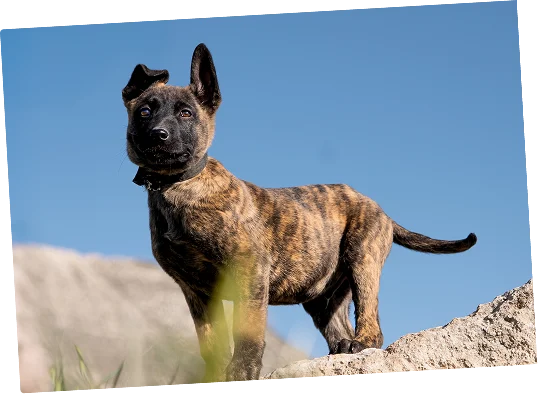
Steady Temperament
Balanced energy and quick recovery after excitement.
02
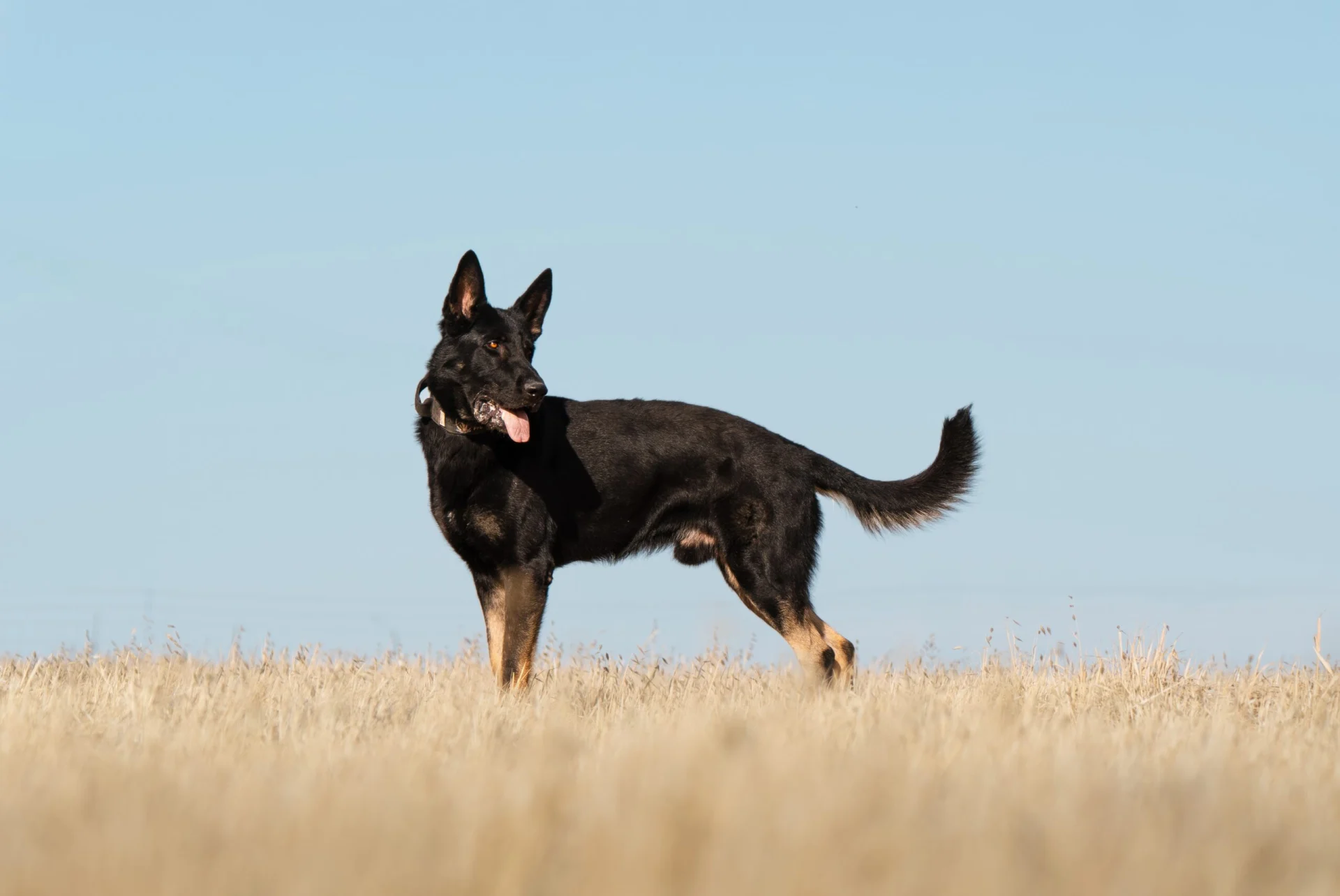
Confidence
A secure dog does not need to posture. It watches, evaluates and chooses.
03
Neutrality:
Calm with guests, delivery drivers, neighbors and strangers on a walk.
04
Home Behavior
Relaxed indoors, playful outdoors, protective only when it counts.
05
Handler Sensitivity:
These dogs read your mood and your household’s rhythm, which strengthens both bond and response.
Client testimonials
5.0

“My experience with Israel Protection K9 has been exceptional. As a C7 quadriplegic with a demanding lifestyle, I needed a highly trained, adaptable dog. The team listened, customized everything to my needs, and supported me like family. My Malinois, Yeled, is perfectly trained, loving, and life-changing.”
Dusty Wheeler
5.0
“My experience with Israel Protection K9 has been outstanding. From the first message to weeks after Axel’s arrival, their dedication, communication, and expertise were exceptional. They guided me through selecting the right dog, provided detailed updates, and ensured seamless family integration. Their professionalism and passion make them the clear choice for protection dogs.”
Scott S.
Pharmaceutical Executive
Malibu, CA
5.0
“IPK9 delivers unmatched protection dogs tailored to each client’s lifestyle. My experience with Eli, Arik, and Oriya was exceptional the integration week, training guidance, and constant support eliminated every concern. Their world-class bloodlines, precision training, and genuine care set them apart. If you choose IPK9, you’re choosing the highest standard possible.”
Alessa S.
5.0
“These trainers deliver exceptional dogs tailored to each client’s lifestyle. They listened carefully to my needs, matched me with the perfect dog, and guided the bonding process. Even a year later, they stay in touch, support training, and ensure my dog continues to excel. Loyal, intelligent, and reliable truly an unmatched experience.”
Austin Grant
5.0
I had an excellent experience with Israel Protection K9! Their professionalism and dedication are unmatched. The training and handling of the dogs were top-notch, and I felt completely safe and confident in their services. Highly recommend!
Shelby Nicholas
5.0
We looked for a protection dog to join our family, and we found Israel Protection K9. After talking with Eli and Arik, we decided to take Shadow and the process was amazing! Shadow is a well trained dog, very friendly and I feel very comfortable that he can protect me and my family. I highly recommend Israel Protection K9 they are very professional
Elon E
Working Ability & Drives:
WORKING ABILITY OF SHEPHERD BREEDS
Is shaped by their balanced internal drives (prey, defense, and fight) which together form the foundation of their exceptional performance as family protection dogs. Prey drive fuels the dogs’ enthusiasm to chase, engage, and respond quickly to movement, providing the energy and athleticism that make them highly trainable. Defense drive governs the dogs’ instinct to assess and respond to potential threats with appropriate control and discernment. Fight drive, the rarest and most valuable of the three, reflects a dog’s natural confidence and willingness to engage under pressure without hesitation or fear. In a family protection context, these drives must be present, but balanced. A well-bred dog does not operate from anxiety or intensity; rather, it relies on clarity, judgment, and a stable disposition to protect without creating unnecessary concern within the home.
PHYSICAL CAPABILITY & CONTROL
Also play an important role in evaluating a dog’s suitability for real-world protection. These breeds are known for their full, calm, and committed grips: a sign of strong nerves, proper genetics, and correct training. A stable protection dog bites with purpose rather than frenzy, maintaining control rather than exhibiting chaotic or fearful behavior. While these abilities are essential for genuine protective scenarios, a properly trained family protection dog never displays them in the household or during normal interactions. Instead, the dog’s grip work remains a controlled, professional skill set, available only when needed and practiced only in structured training environments.
MENTAL CAPACITY & TRAINABILITY
are among the defining strengths of these breeds. The dogs’ working heritage has produced dogs capable of problem-solving, adapting to dynamic environments, and learning complex behaviors quickly and reliably. The ability to focus enables the dogs to distinguish between everyday household noise and legitimate concern, and their intelligence makes them responsive to structured training routines. This combination ensures the dogs remain calm inside the home, attentive during public outings, and precise during protection work; all without losing their friendly, family-centered demeanor.
Daily Life with a Protective Dog
Expect a dog that sleeps near your family, joins routines and takes walks, but that also checks doors, watches yards and alerts to unusual sounds. Training keeps those instincts focused, so the dog protects without becoming anxious or noisy.
Ideal Owner & Living Environment:
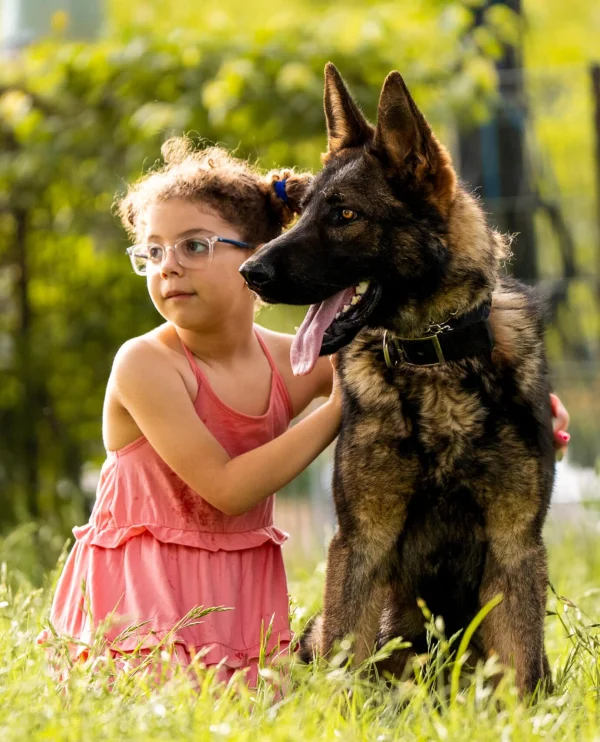
Active, consistent, committed households do best. A fenced yard helps but is not required if daily exercise is met. Prior experience is helpful, though not necessary, provided you follow the guided integration. Everyone in the home, including older children, learns how to interact with the dog and how to give commands.
The Ideal Type of Family
Excel as family protection dogs when placed in homes that combine structure, consistency, and meaningful human connection. These breeds are best suited for families who value safety, companionship, and mutual respect, households where the dog is treated as an integral member of the family rather than a standalone security measure. They thrive when included in daily life, whether accompanying family members on walks, joining children at play, or quietly observing the household from a central position indoors. The ideal owners understand that protection is rooted in trust and bond, not intimidation, and that a dog’s true effectiveness is measured by its ability to act with discretion while keeping the family secure.
Owner Requirements & Leadership Style
While previous dog experience can be helpful, it is not mandatory nor necessary for families who work with professionally trained dogs. What is essential is consistency, patience, and clear communication. These breeds respond best to calm, confident leadership that balances firmness with fairness. Families who establish routines, reinforce boundaries, and interact with the dog as a partner rather than a tool will find the relationship deeply rewarding. Through proper guidance, even first-time dog owners can successfully integrate these breeds into the household, benefiting from both their protective instincts and their loyalty.
What They Become in the Right Home
Provides safety, space, and opportunities for engagement. A securely fenced yard is beneficial for supervised play and exercise, though these dogs adapt well to homes of varying sizes, including suburban and urban settings, as long as their mental and physical needs are met. Inside the home, they prefer proximity to their family, observing, interacting, and providing reassurance without creating tension or disruption. Their natural adaptability allows them to transition seamlessly between activity and rest, making them reliable, non-intrusive members of the household. These breeds are remarkably family-oriented. They are patient with children, respectful of other pets, and deeply attuned to the household’s rhythms. Their protective instincts are guided by loyalty and discernment rather than aggression, allowing them to identify real threats while maintaining a calm presence during everyday life. In essence, they watch over the family quietly and thoughtfully, combining vigilance with companionship. When placed in the right environment, German Shepherds, Belgian Malinois, and Dutch Shepherds go beyond protection. The dogs’ become trusted, affectionate, and intuitive guardians whose presence fosters safety, comfort, and harmony; strengthening not only the security of the household, but the bonds between its members.
Reputation
German Shepherds, Belgian Malinois, and Dutch Shepherds
Carry strong reputations that span both the public imagination and professional working communities. In the public eye, these breeds are often associated with protection, service work, or high-energy dogs, which can sometimes create misconceptions about their suitability for family life.
Among professional trainers, handlers, and law enforcement
Communities, these breeds are widely respected for their intelligence, adaptability, and work ethic. Their consistent performance in police, military, and security roles demonstrates their ability to evaluate situations accurately, follow complex instructions, and act decisively when required.
Common myths about these breeds that are not true at all
About these breeds often revolve around exaggerated notions of aggression or difficulty of management. While they are high-drive dogs, responsible selection of working bloodlines and proper training ensures that their energy and instincts are channeled appropriately.
Reputation
The Perfect Balance of Family and Protection
Our specialization in family protection dogs reflects our deep understanding of what families actually need: dogs who can integrate seamlessly into family life while providing genuine protection. This isn’t a compromise between a pet and a guardian. Rather, it’s the rare combination of both at the highest level.
Family Bred for Protection
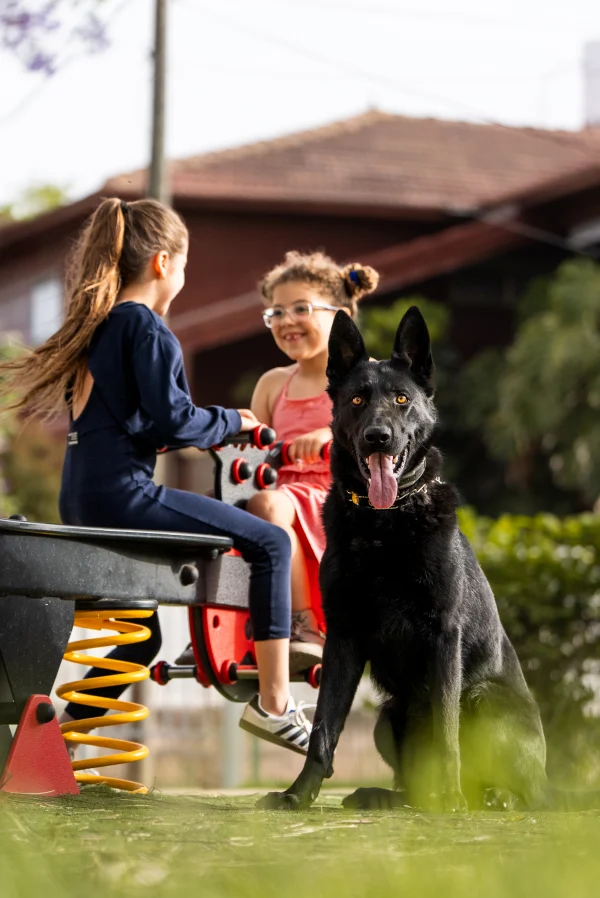
Our breeding program is specifically designed to produce dogs with the temperament required for family life. We select for dogs who are naturally affectionate, patient with children, adaptable to household chaos, and socially appropriate, while maintaining elite protection instincts and the physical capability to stop any threat.
Purpose Built for Family Protection
When a family acquires a protection dog from Israel Protection K9, they receive a dog bred, raised, socialized, and trained specifically for family protection. These are not sport dogs or recent imports, but dogs developed from the start to excel in real family environments.

Summary
In summary, German Shepherds, Belgian Malinois, and Dutch Shepherds are wonderful in protection work because of their combination of loyalty, intelligence, courage, and temperament stability.
Their herding and working origins have shaped dogs that are naturally protective yet controllable, capable of distinguishing between normal household activity and potential danger. With professional breeding, careful selection of working bloodlines, and structured training, these dogs provide families with a level of security that is both effective and humane.
Beyond their protective abilities, they integrate seamlessly into the household, forming bonds with family members, respecting children and other pets, and offering a sense of calm vigilance that traditional security measures cannot replicate. These breeds are more than guardians; they are family members, partners, and trusted protectors whose presence enhances both safety and peace of mind.
Your Questions Answered
Get clear answers to the most common questions about our elite protection dogs, from training and temperament to travel and ownership
How long does it take to integrate a family protection dog into a home?
Full integration typically takes about four weeks.
Integration timeline:
- Week 1 (most critical):
- Clear boundaries established immediately
- Hand-feeding to build bond
- Daily command practice
- Close guidance from the training team
- Weeks 2–3:
- Leash-based work only
- Dog acclimates to:
- New environment
- New handlers
- New smells, routines, and time zone
- By Week 4:
- Strong bonding established
- High reliability and obedience
- Noticeable progression in connection and responsiveness
Most families observe major improvements week by week, with the final level of connection often exceeding expectations.
Can a family protection dog also be a companion pet?
Yes, at the highest level.
Family protection dogs are:
- Extremely handler-oriented
- Highly bonded to their family
- Motivated to please and work with their owners
Because of their awareness, responsiveness, and connection, they often form deeper bonds than average dogs. They are fully capable of being loving companions while retaining their protective capability.
What training level should a family protection dog have?
A properly trained family protection dog should meet the following standards:
Core requirements
- Complete confidence and deep socialization (non-negotiable)
- Practical obedience, not sport or performance tricks
Practical obedience means:
- Commands work without repetition
- A “down” command does not require a separate “stay”
- Reliability in all environments, including:
- Around other dogs
- With or without the handler present
- Under distraction and pressure
The dog should have full off-leash obedience at a very high level.
Protection training should include:
- Off-leash guard command
- Attack command
- Clear, reliable release command
- Muzzle attack training (strongly recommended)
This ensures the dog’s protection response is controlled, measurable, and intentional.
Do family protection dogs require prior dog-handling experience?
No. Prior dog-handling experience is not required.
However, a structured delivery and integration process is essential. The client and family must be taught:
- Proper communication and bonding
- Correct use of commands
- Appropriate corrections
- On-leash and off-leash handling
- How protection commands are safely managed
With professional integration support, first-time owners can successfully manage a family protection dog.
How does a family protection dog behave in everyday situations?
In daily life, a family protection dog behaves like a highly obedient, well-mannered companion, not a guard animal on edge.
There are distinct, clearly defined states:
- Neutral mode: relaxed, calm, and behaving like a regular dog
- Social mode: friendly, outgoing, and communicative
- Work mode (commanded): focused, precise, and task-oriented
- Prey/play mode: engaged during structured play and reward
This clarity between states is critical, as the dog must function safely in normal life while remaining a serious protection asset when commanded.
Are family protection dogs good with children and other pets?
Yes, when properly selected and trained.
Family protection dogs are extensively socialized with:
- Children (including uncomfortable or uncoordinated touch)
- Other dogs
- Cats and household pets
Because of their capability level, these dogs are held to a much higher behavioral standard than typical pets. They are expected to remain neutral, tolerant, and stable even when others around them do not communicate perfectly.
What makes a dog suitable for family protection?
A family protection dog must balance extreme stability with controlled intensity.
Key requirements include:
- Exceptional mental stability as the top priority
- Strong, proven genetics that produce confidence and composure in all environments
- Extensive socialization to normalize daily life, noise, touch, and unpredictability
- Controlled aggression, not reactive or emotional aggression
- The ability to switch on and off instantly with full mental clarity
The dog must be calm, neutral, and reliable in normal life—yet capable of responding decisively and intentionally to a real threat.