The German Shepherd
The German Shepherd as a Perfect Protection Dog: A Comprehensive Analysis
From Herding Heritage to Modern Capabilities
Birthplace
Germany is the birthplace of this breed. Regional herding dogs from across the country were gradually refined into what we know today as the German Shepherd. These early dogs worked alongside shepherds and herded livestock across German farmlands.
Breeds Function
The breed’s original function was managing and protecting sheep. This demanding work required dogs that could maintain performance from sunrise to sunset. They had to follow shepherd commands precisely while also making intelligent decisions about managing livestock independently. Such work developed dogs with exceptional physical stamina and mental resilience.
History Of German Shepherd
The late 1800s and early 1900s brought industrialization that nearly eliminated the breed. As machines replaced traditional herding, working dogs lost their purpose. Tractors and equipment could perform what dogs had always done, leaving the breed without a function.
A cavalry officer and dog breeder named Max von Stephanitz recognized that losing this breed meant discarding extraordinary working potential. He essentially preserved the German Shepherd from extinction by redirecting the breed toward new working roles. His vision transformed normal shepherd dogs into premier protection dogs. Without his intervention, the breed would likely have vanished when its traditional role became obsolete.
Objective of the Breed
Von Stephanitz established clear objectives for his breeding program. He desired dogs with darker coats resembling their wolf ancestors, matching the appearance of original shepherd dogs. He prioritized animals with exceptional endurance for all-day work and selected for strong handler responsiveness and superior working ability. Through generations of careful breeding, he made these genetic characteristics as the breed’s foundation.
The Schutzhund evaluation system
Obedience
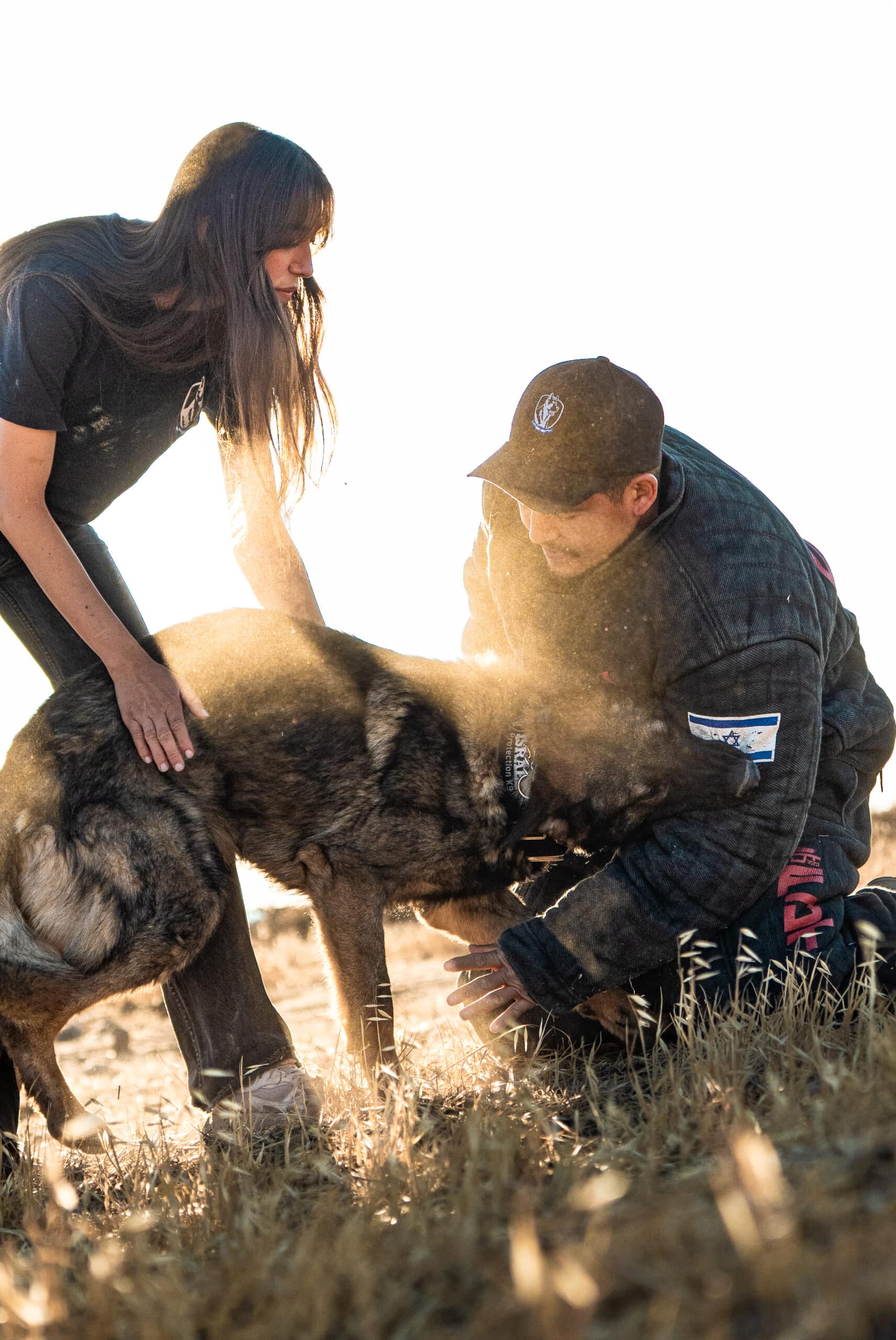
This measures how strongly dogs bond with handlers and how precisely they follow commands. It demonstrates the dog’s cooperative spirit and reliability.
Tracking
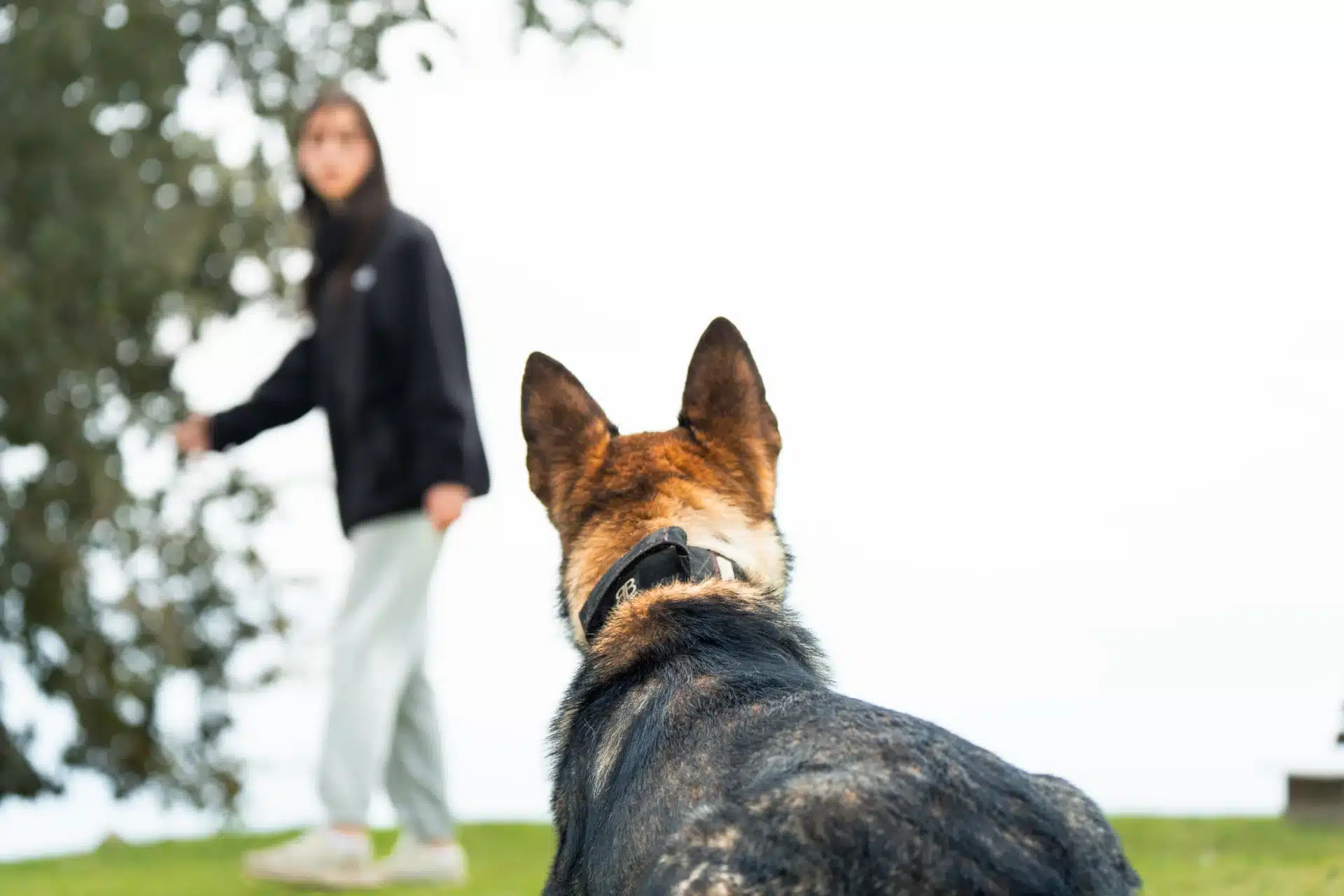
Tracking evaluates scenting skills and attention to detail through scent work. Dogs must follow scent trails accurately, demonstrating concentration during mentally challenging tasks.
Protection
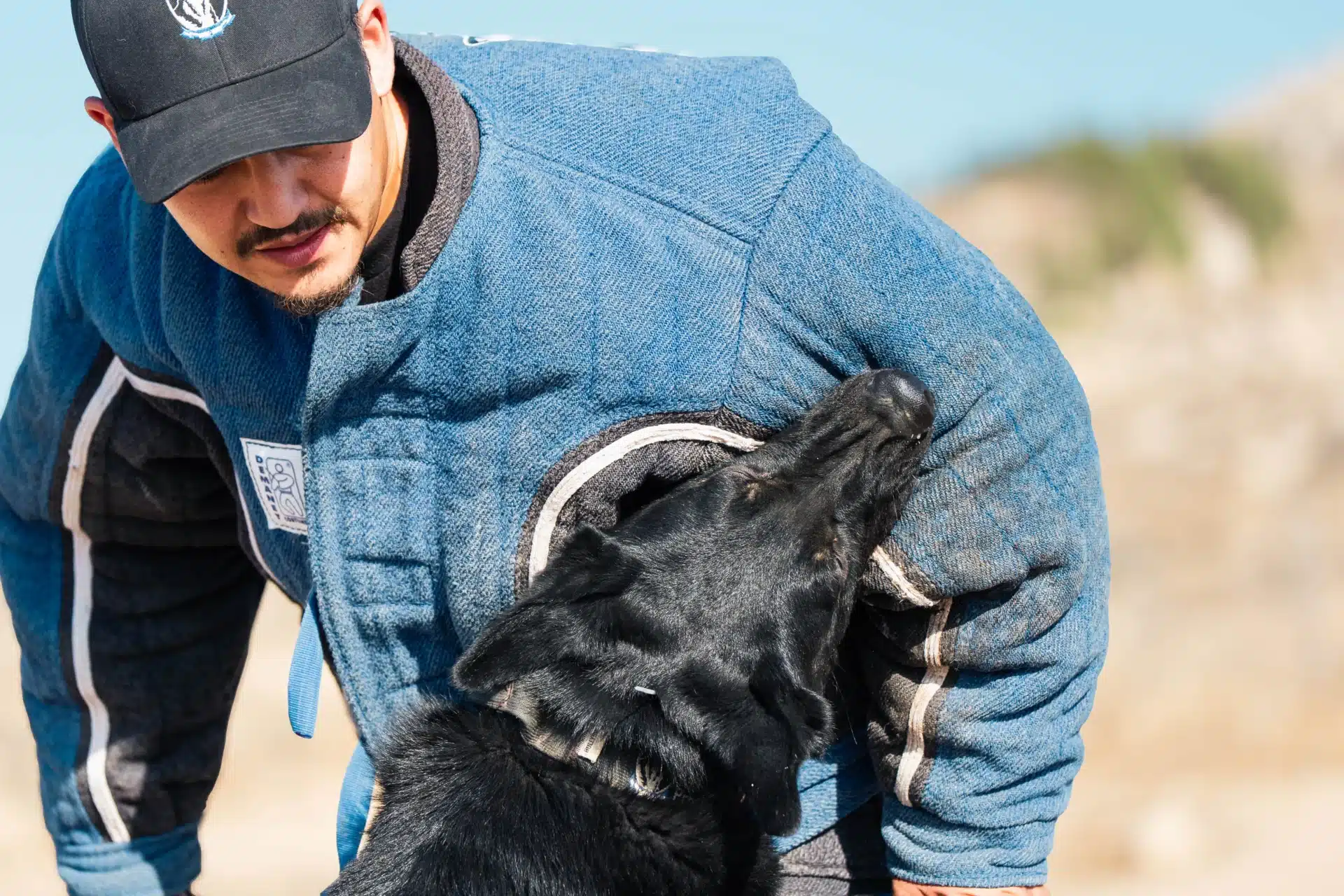
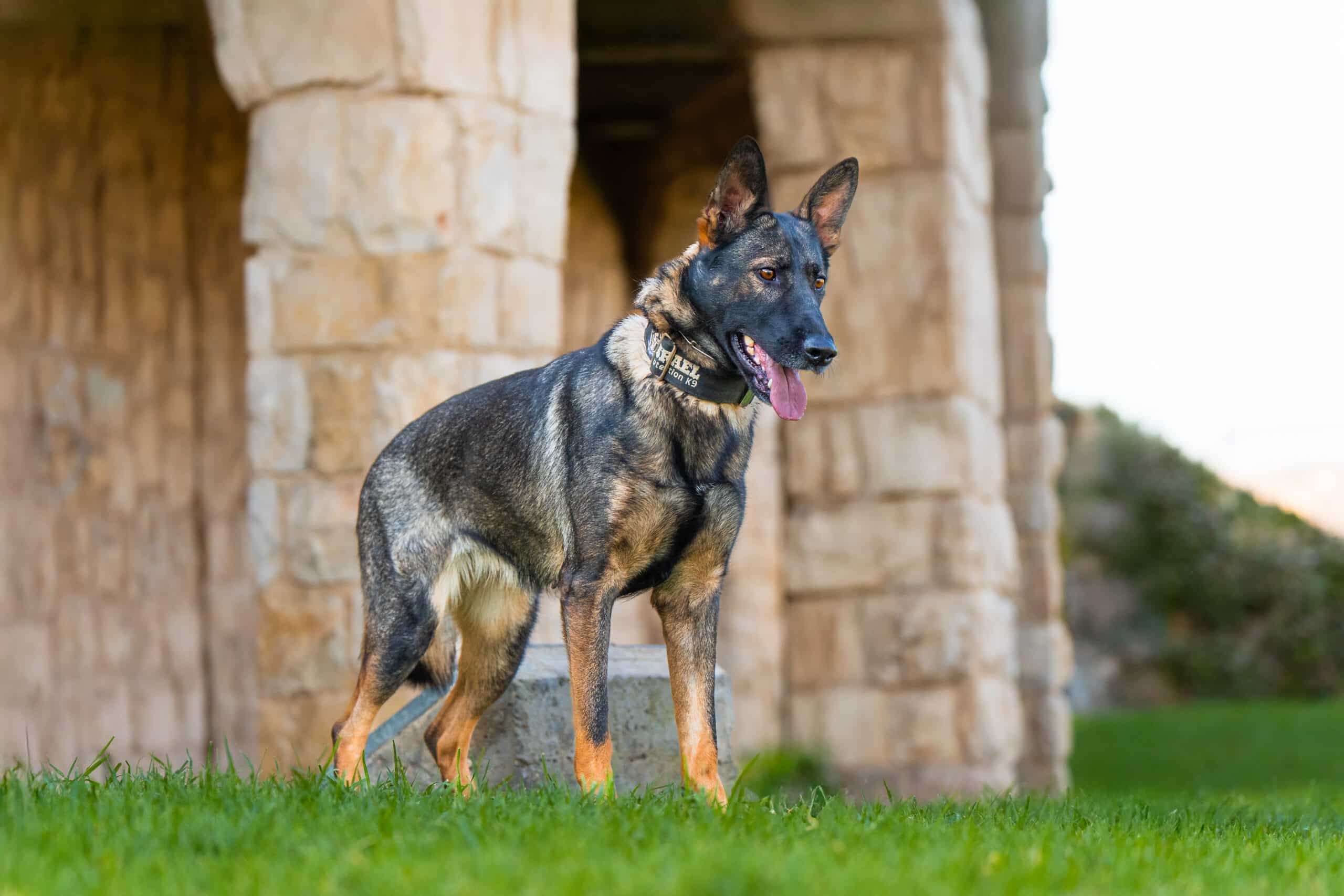
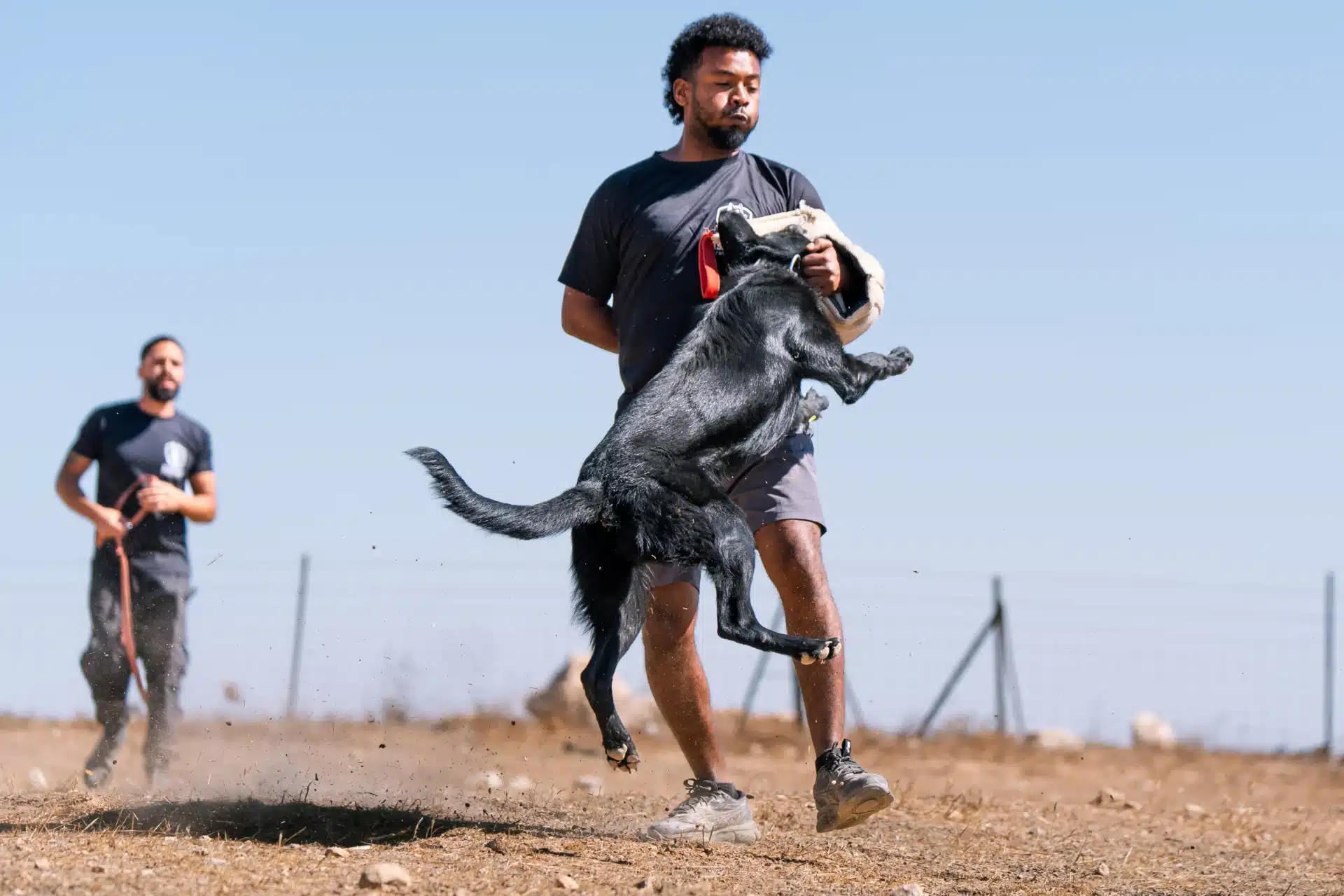
This requires dogs to prevent helpers (who simulate threats) from escaping. Dogs must grasp and hold helpers by pulling backward to prevent their movement. Since most German Shepherds originated from IGP-tested lines, this behavior became genetic through repeated selection over generations. This backward-pulling during biting now appears naturally in modern German Shepherds, distinguishing them from other protection breeds.
The structured IGP evaluation enabled breeders to identify dogs that excelled in both training and actual work. This systematic approach naturally positioned German Shepherds for police work, military service, and protection roles worldwide. Even today, German Shepherds dominate as champions in Schutzhund and IGP competitions.
Bloodlines - Understanding Genetic Lineages
Show-line German Shepherds:
Breeders develop these dogs primarily for appearance and show-bred standards. Show-bred German Shepherds typically grow larger with thicker coats. Their movement is less athletic, and they display lower working drive than working-line dogs. These dogs suit families seeking companions or basic protection without intensive working demands.
Working-Line German Shepherds:
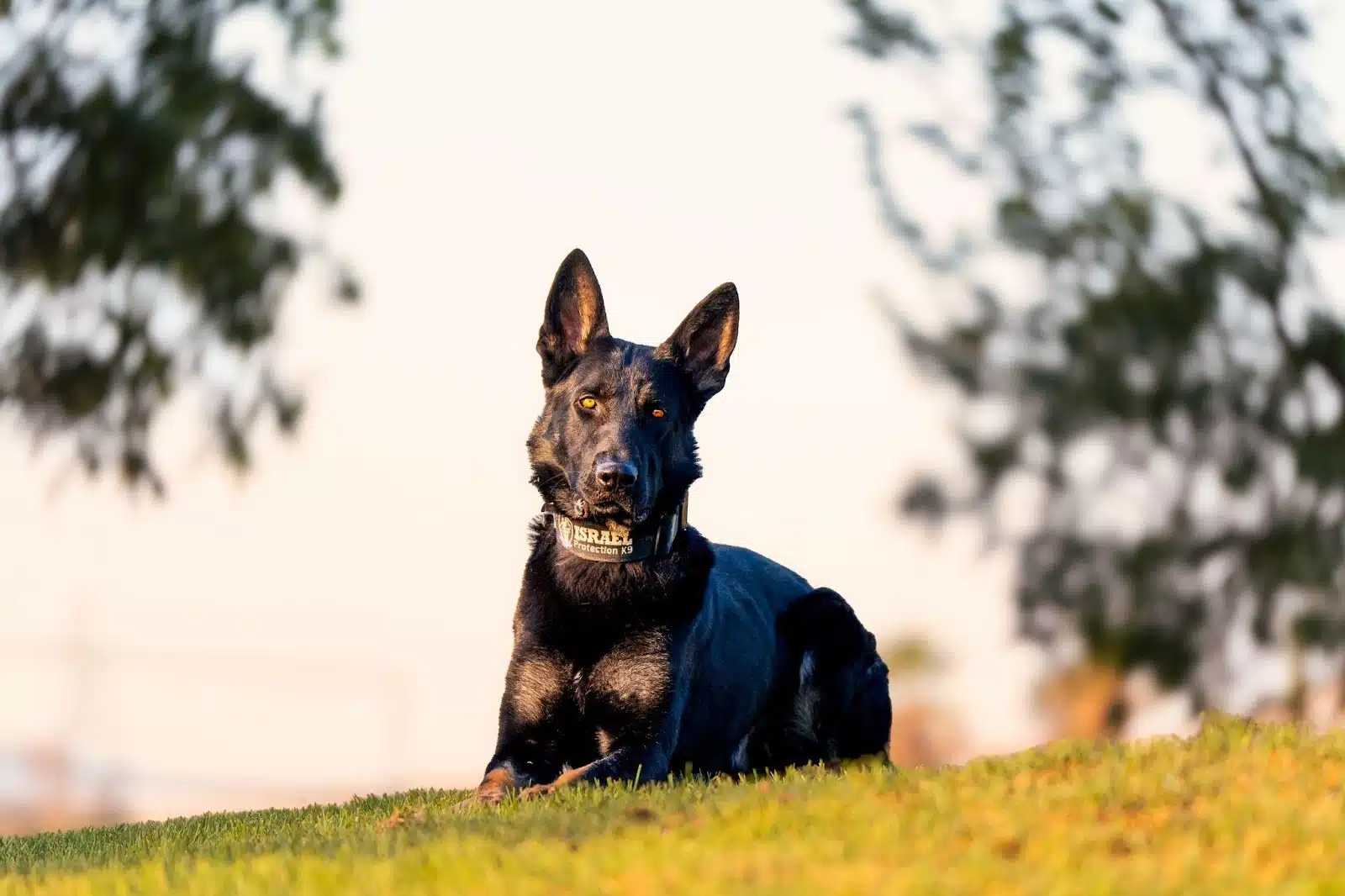
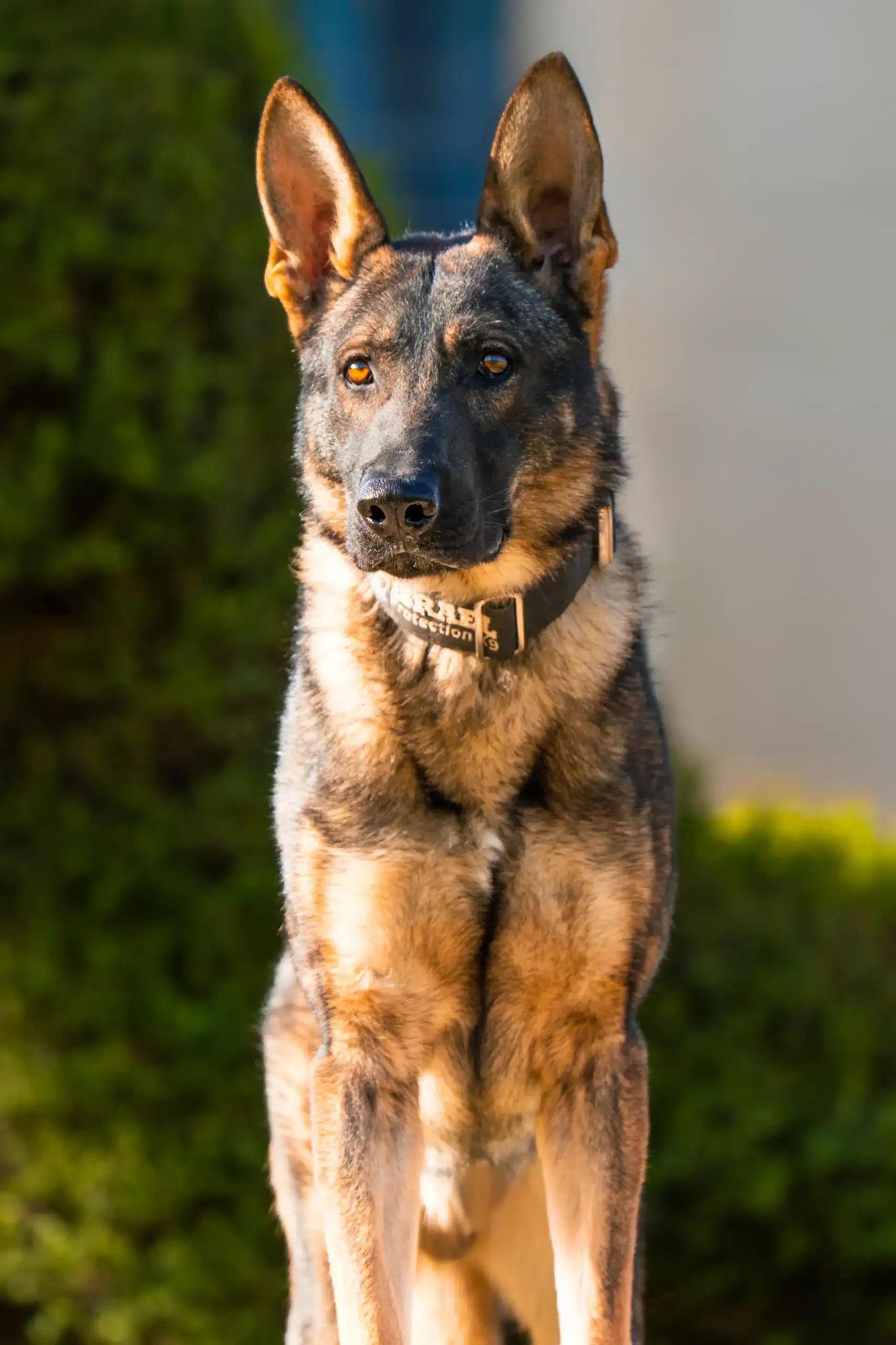
These dogs originated from breeding that focused exclusively on performance, temperament, and working ability. Working-line German Shepherds serve in serious protection work, police departments, and competitive sport. They possess higher drive, superior athletic ability, and stronger working traits compared to show lines.
Physical Characteristics: Weight and Height
Protection Work
German Shepherds possess ideal physical attributes for protection work. Males typically stand 24-26 inches tall and weigh 65-90 pounds, while females are slightly smaller but equally capable. Their powerful build combines strength for apprehension work with endurance for extended operations.
Physical Abilities
The breed possesses athletic construction capable of sustained physical effort without fatigue. Their heritage as all-day working dogs is evident in modern working lines. They maintain builds that support continuous work. Proper angulation, strong backs, deep chests, and powerful hindquarters enable sustained movement.
Show-line German Shepherds
Show-line German Shepherds grow larger and heavier with thicker coats compared to working lines. Their movement is less athletically graceful, and they demonstrate lower overall drive. This larger size and heavier coat come at the expense of athletic performance and sustained working ability.
Working-line German Shepherds
Working-line German Shepherds maintain more athletic structure and functional movement suited to the physical demands of protection work. They prioritize endurance, agility, and sustained performance over appearance.
Color and Coat Variations
Black
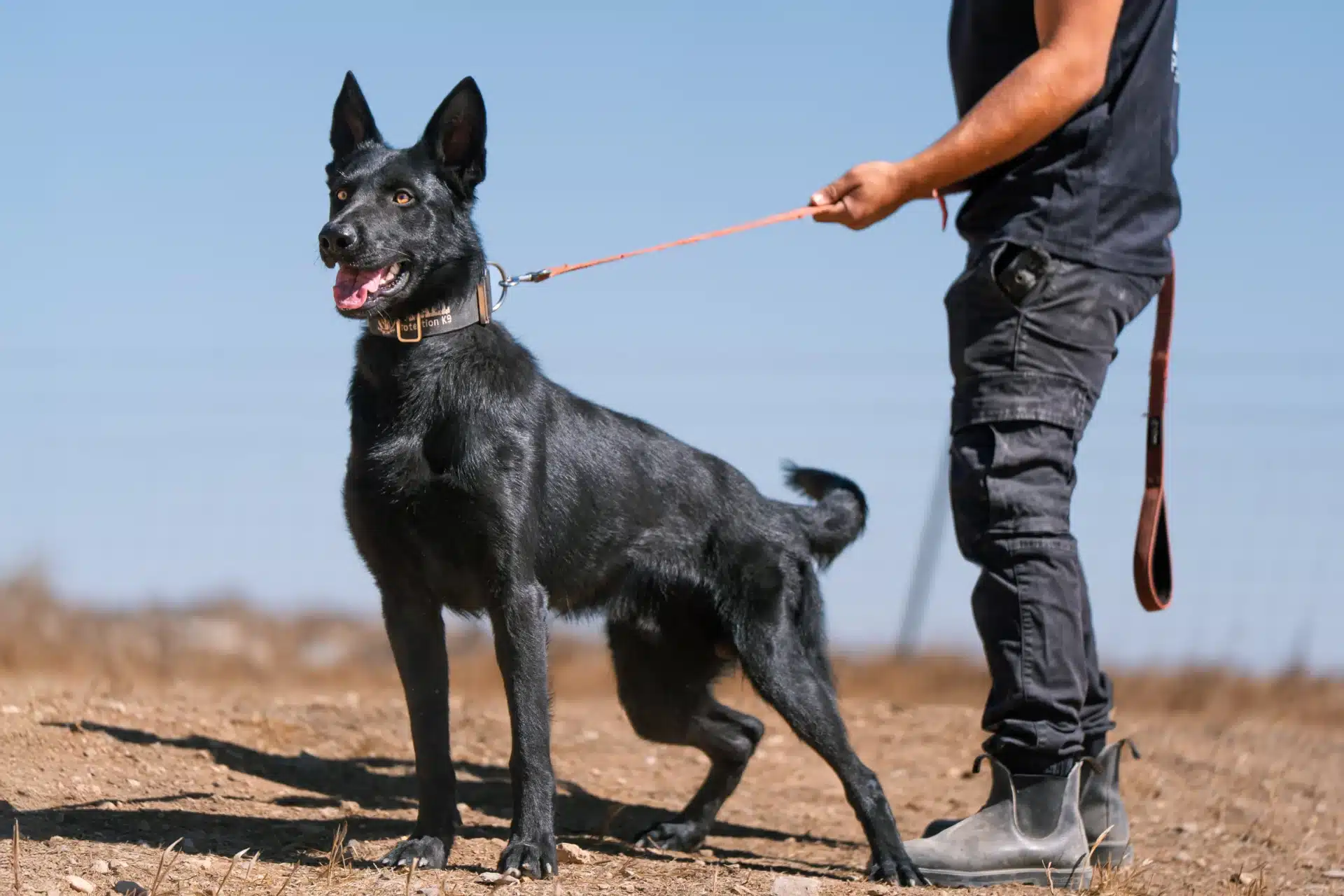
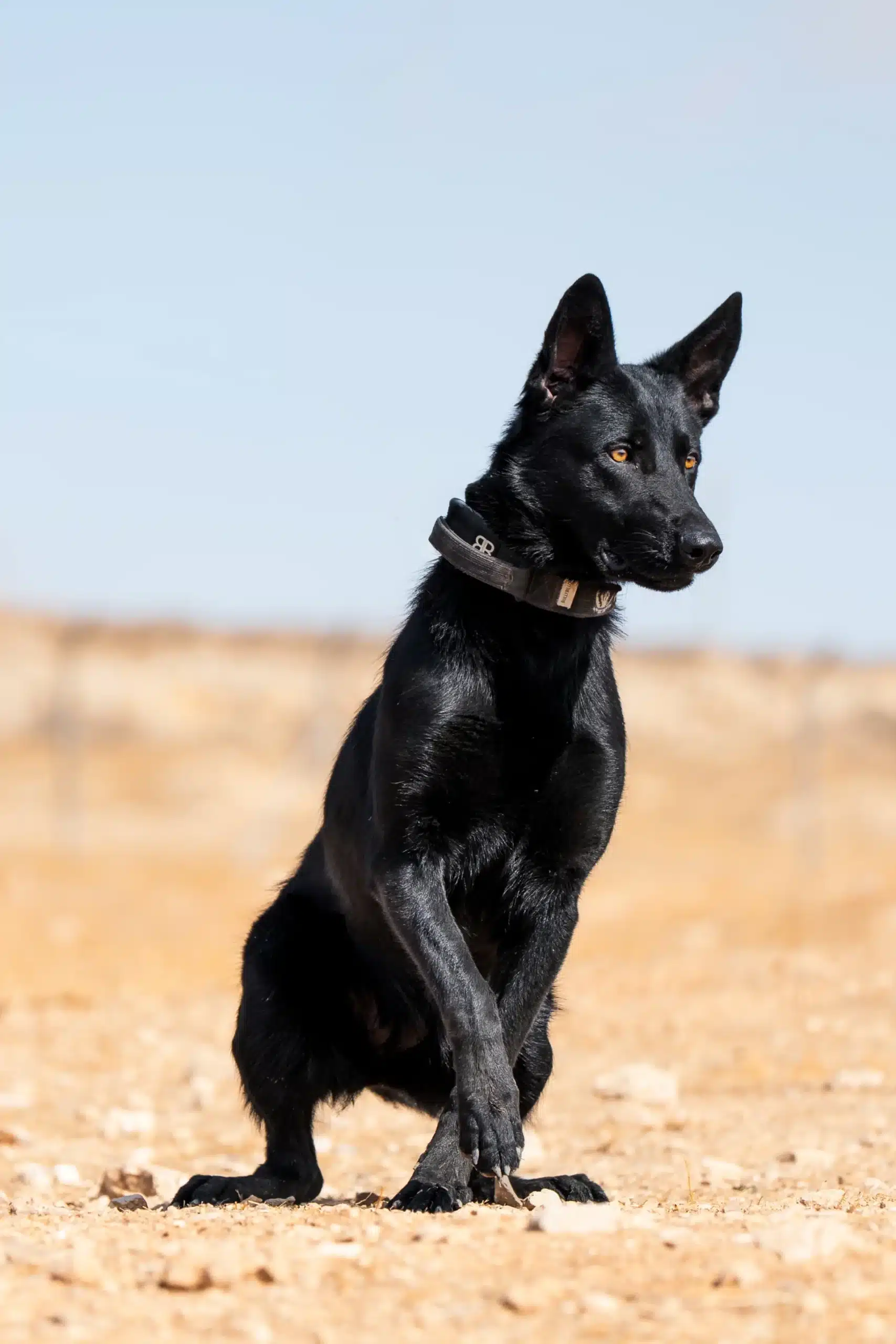
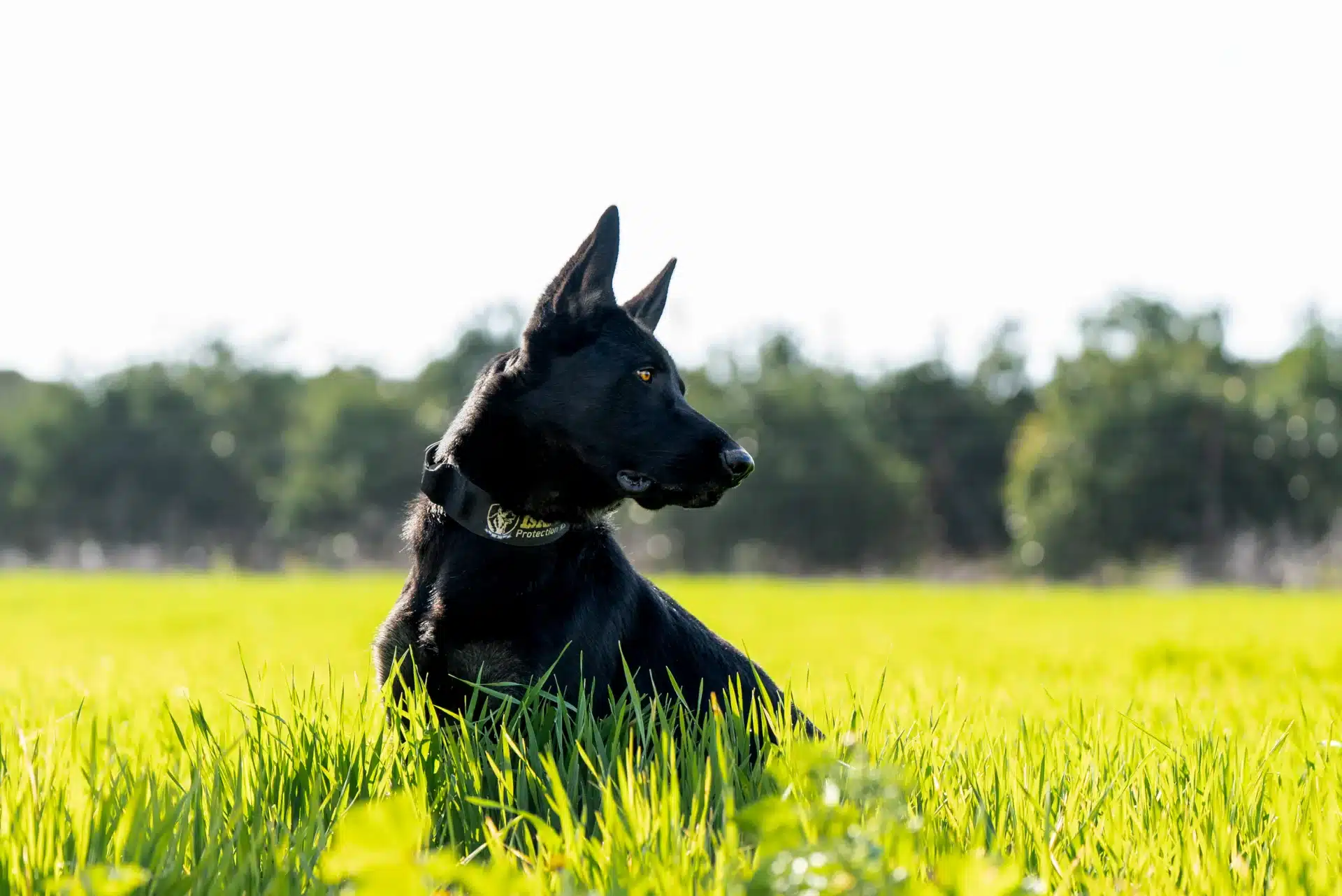
These dogs are solid black without tan or other markings. Working-line breeders value completely black German Shepherds highly.
Bicolor (Black and Tan)
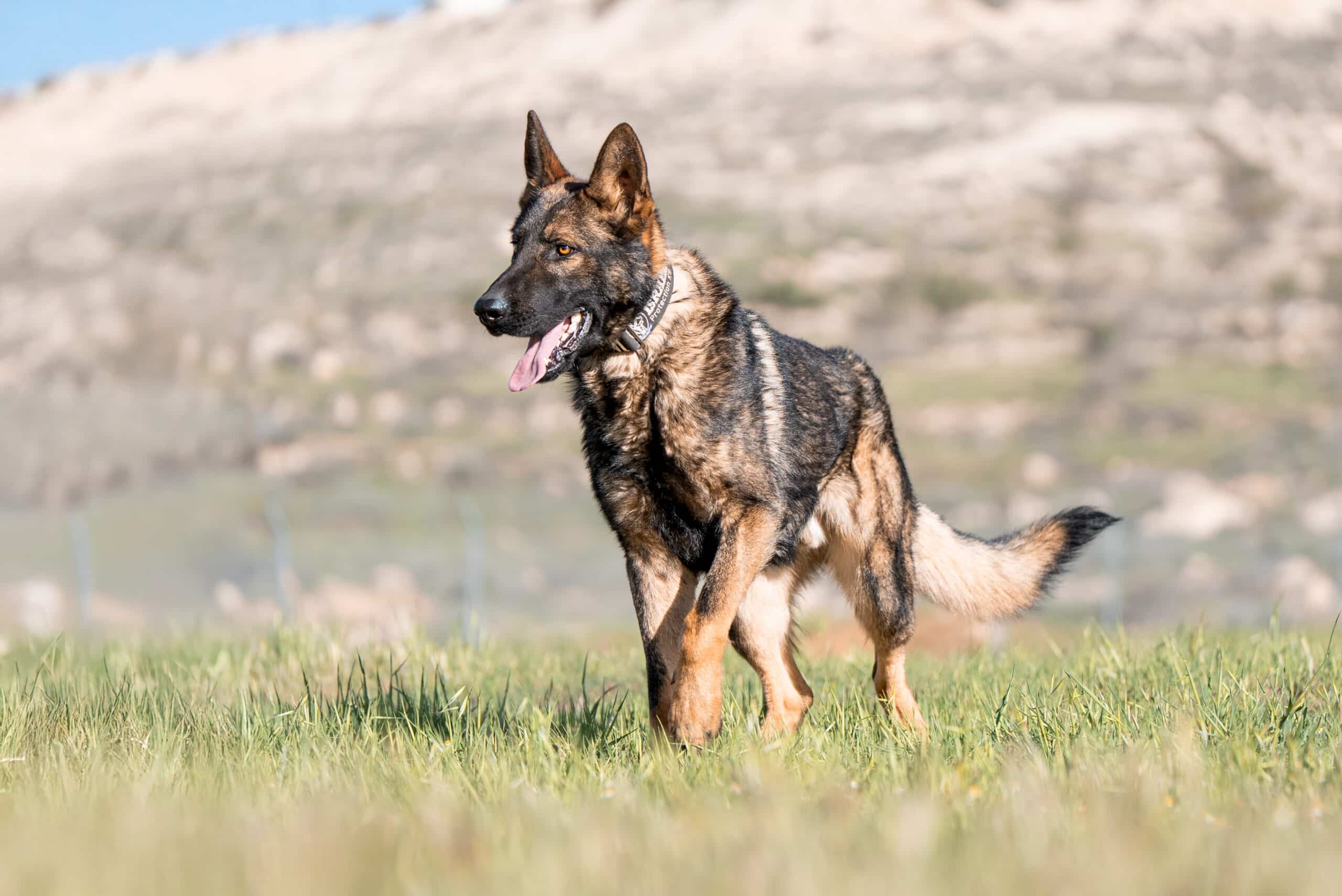
This pattern combines black and tan in varying amounts across the body. Distribution varies considerably between dogs. Some are predominantly black with tan only on paws, ears, back, or chest. Others show more balanced coloration.
Sable
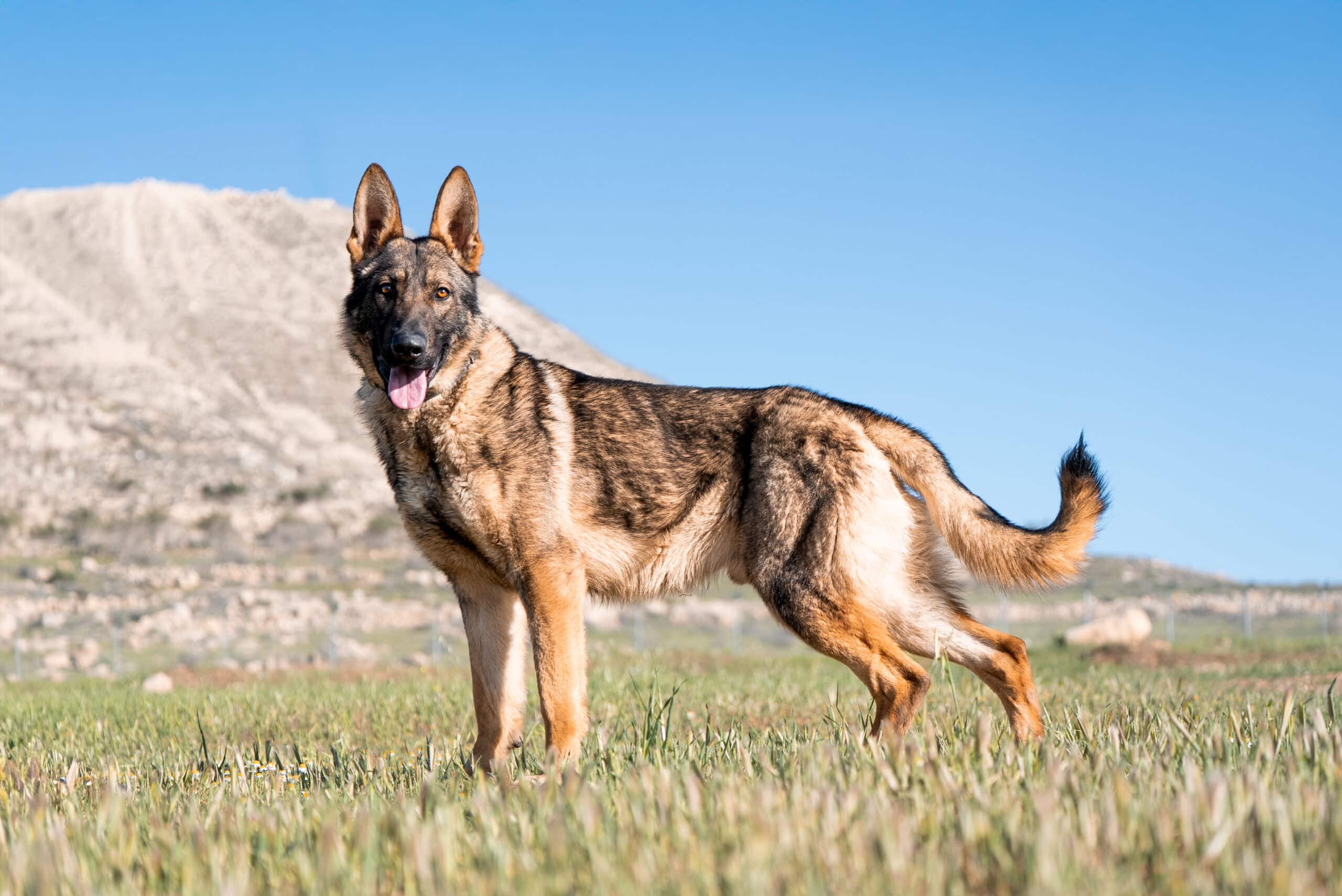
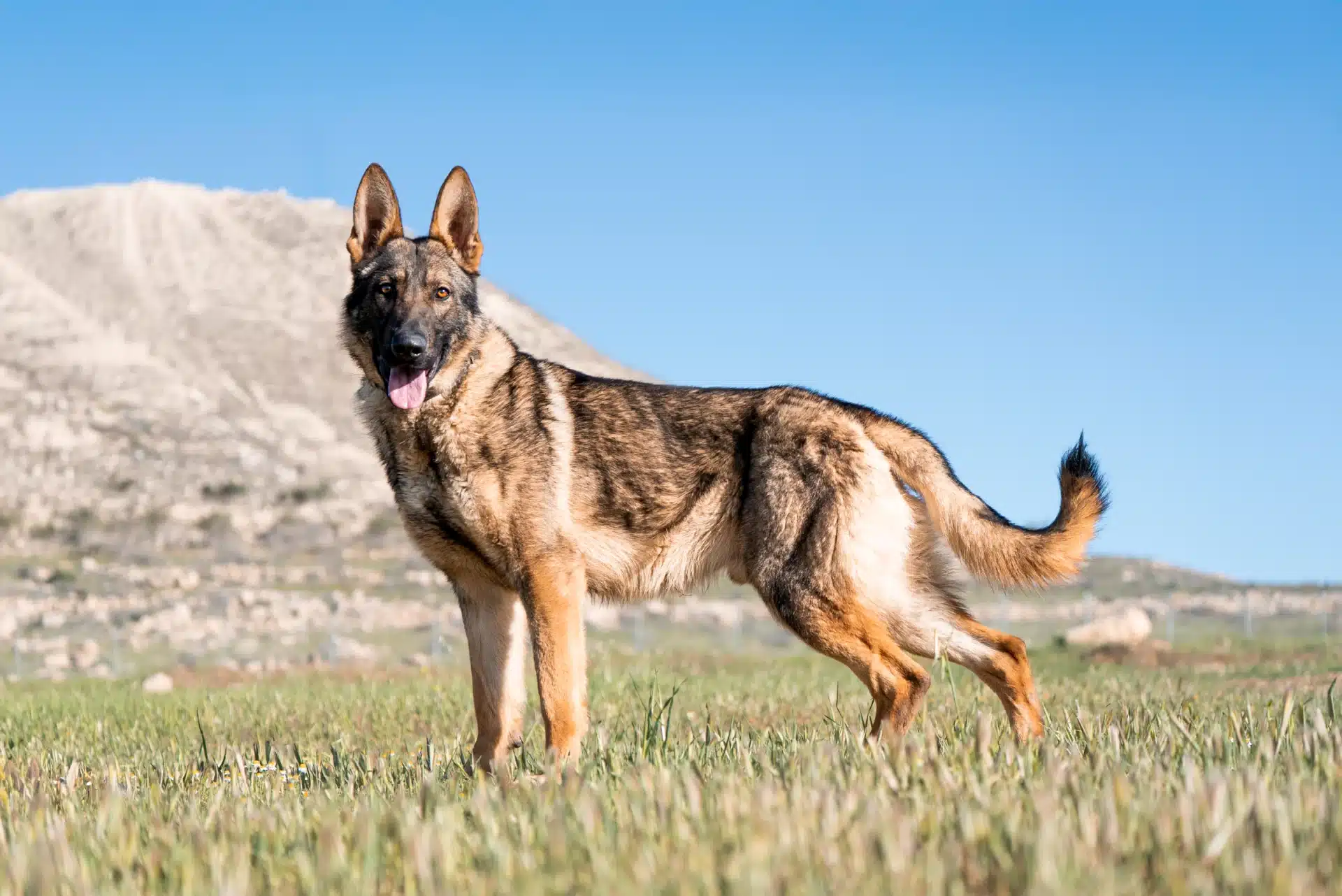
Sable coloring most closely matches the original German Shepherd appearance. Von Stephanitz precisely wanted to create darker colors that resembled wolves, and provided such coloration to sable German Shepherds. Sable German Shepherds often grow larger than other colors and typically demonstrate stronger bite force with more imposing presence during protection work.
Coats
German Shepherds possess double coats with dense outer layers and softer undercoats that provide weather protection. Working-line coats are less thick than show lines, maintaining structure that supports working function rather than maximizing appearance.
Shedding
German Shepherds shed moderately to heavily year-round, with particularly heavy shedding twice yearly during seasonal coat changes. Regular brushing several times weekly manages shedding and maintains coat health. Working lines with less thick coats require somewhat less grooming than heavily coated show lines.
Lifespan and Health considerations
Hip Dysplasia
Approximately 20% of German Shepherds develop this condition according to the Orthopedic Foundation for Animals. This malformation of the hip joint causes looseness, pain, lameness, and eventual arthritis.
Elbow Dysplasia
Elbow Dysplasia: This inherited condition involves abnormal elbow joint development where bones and cartilage rub together improperly. Symptoms include lameness, swelling, and difficulty with physical activity affecting the front legs.
Degenerative Myelopathy
This progressive neurological disease affects the spinal cord, typically appearing between 5 and 14 years, most commonly at 8 to 9 years. It causes progressive weakness and coordination loss in hind legs, eventually leading to paralysis. Though not painful, no cure currently exists.
Bloat
Deep-chested breeds face increased risk for this life-threatening emergency where the stomach fills with air and twists, cutting off blood supply. This requires immediate veterinary intervention.
Importance of Health Testing
This evaluation ensures that only functionally sound animals entered breeding programs. Health-tested working bloodlines often produce dogs with superior structural integrity for demanding physical work.
Responsible breeders conduct health screenings including hip and elbow evaluations, genetic testing for degenerative myelopathy, and other breed-specific assessments. Potential owners should request proof of health testing from both parents before selecting puppies.
Personality and Temperament
Confidence
Confidence building is the foundation of the German Shepherd’s protection training process. Confidence develops in two areas such as, general confidence in overall behavior and specific confidence in bite work.
German Shepherds
German Shepherds demonstrate less sensitivity than Belgian Malinois, meaning they tolerate handler errors without developing lasting problems. German Shepherds, particularly sable-colored dogs, tend toward greater stability than Belgian Malinois, providing consistent, reliable performance across different conditions. However, they also display more stubbornness than some working breeds, which requires confident, consistent handling.
Socialized German Shepherds
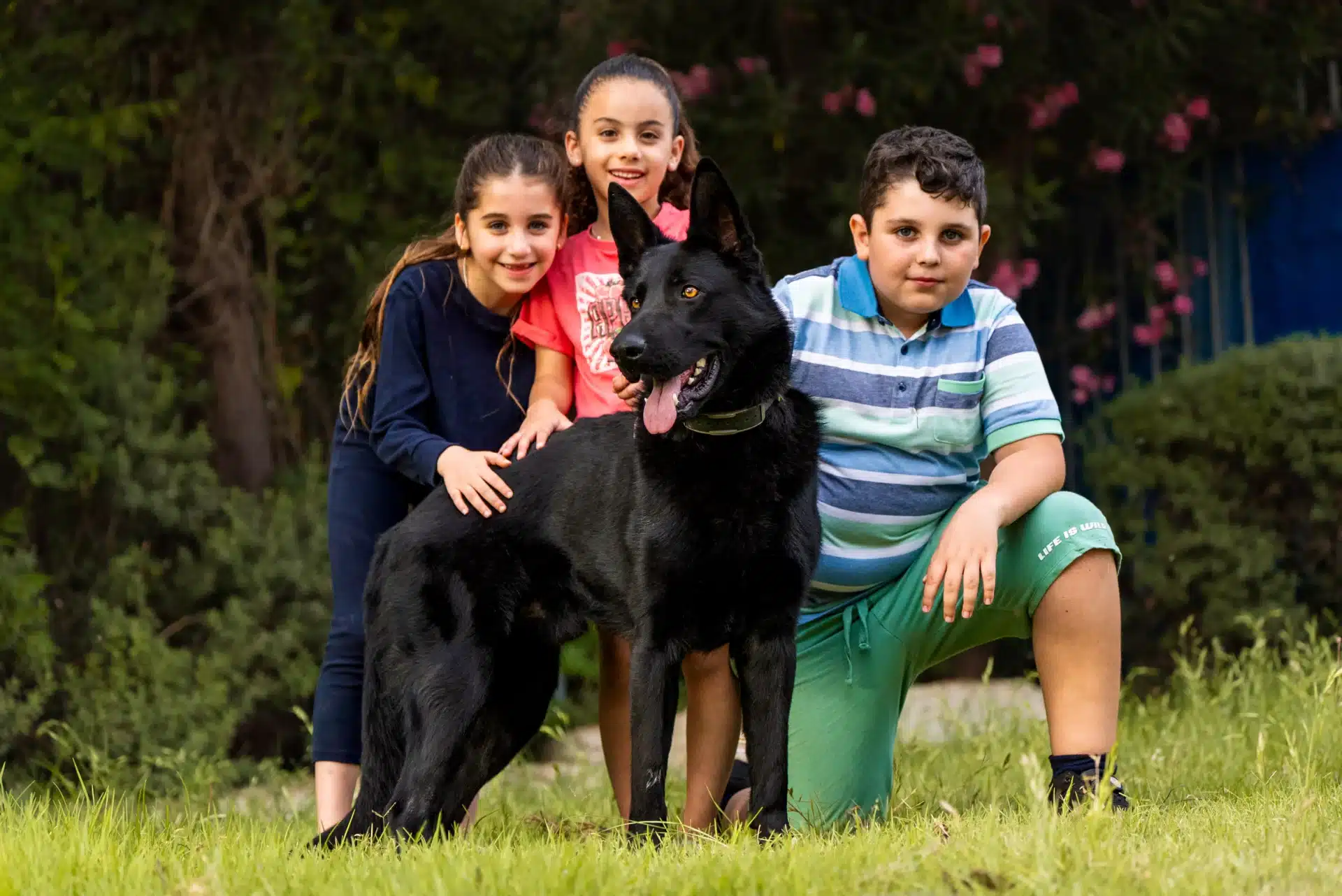
Properly socialized German Shepherds appropriately distinguish real threats from normal social situations. Their strong handler orientation typically produces dogs that protect families while remaining controllable and responsive to handler direction.
Qualities
German Shepherds possess several qualities making them ideal for protection work. They have strong handler commitment with exceptional devotion, high stamina enabling all-day work capacity, responsive attentiveness, proper sensitivity making them forgiving of handler mistakes, strong working drive particularly in obedience, tracking, and protection, and proper confidence and stability for controlled, reliable performance.
Handler-oriented temperament
Commitment and Attentiveness
German Shepherds demonstrate responsive attentiveness and strong handler commitment. They maintain focus during training and respond appropriately to handler direction, displaying the focus needed for learning complex protection behaviors.
German Shepherd Sensitivity
German Shepherds exhibit less sensitivity than Belgian Malinois and other highly sensitive working breeds. This moderate sensitivity makes them more forgiving of handler mistakes. When handlers make training errors, these dogs continue working effectively despite them. Their lower sensitivity explains why they suit first-time handlers better.
Stubbornness
However, German Shepherds display more stubbornness than some working breeds, meaning they may challenge handlers more than Belgians. This requires handlers to maintain training consistency and confidence. Their ability to tolerate mistakes allows handlers to develop skills without permanently damaging the dog’s working ability or temperament.
Handler-oriented temperament
Commitment and Attentiveness
German Shepherds demonstrate responsive attentiveness and strong handler commitment. They maintain focus during training and respond appropriately to handler direction, displaying the focus needed for learning complex protection behaviors.
German Shepherd Sensitivity
German Shepherds exhibit less sensitivity than Belgian Malinois and other highly sensitive working breeds. This moderate sensitivity makes them more forgiving of handler mistakes. When handlers make training errors, these dogs continue working effectively despite them. Their lower sensitivity explains why they suit first-time handlers better.
Stubbornness
However, German Shepherds display more stubbornness than some working breeds, meaning they may challenge handlers more than Belgians. This requires handlers to maintain training consistency and confidence. Their ability to tolerate mistakes allows handlers to develop skills without permanently damaging the dog’s working ability or temperament.
Exercises to Sustain Energy Level
German Shepherds possess extremely high stamina and can work entire days without tiring. This endurance stems from their herding heritage and has been preserved through systematic breeding for working ability.
German Shepherds require substantial mental stimulation through training and working activities. The IGP system demonstrates the breed’s need for mental engagement, including obedience work, tracking exercises requiring concentration and scent discrimination, and protection work demanding focus and decision-making.
Without sufficient physical exercise and mental stimulation, German Shepherds may develop behavioral problems including destructiveness, excessive barking, or inappropriate energy expression. Their high working drive requires constructive outlets to maintain balanced behavior.
An Ideal Partner for Protection Work
Characteristic
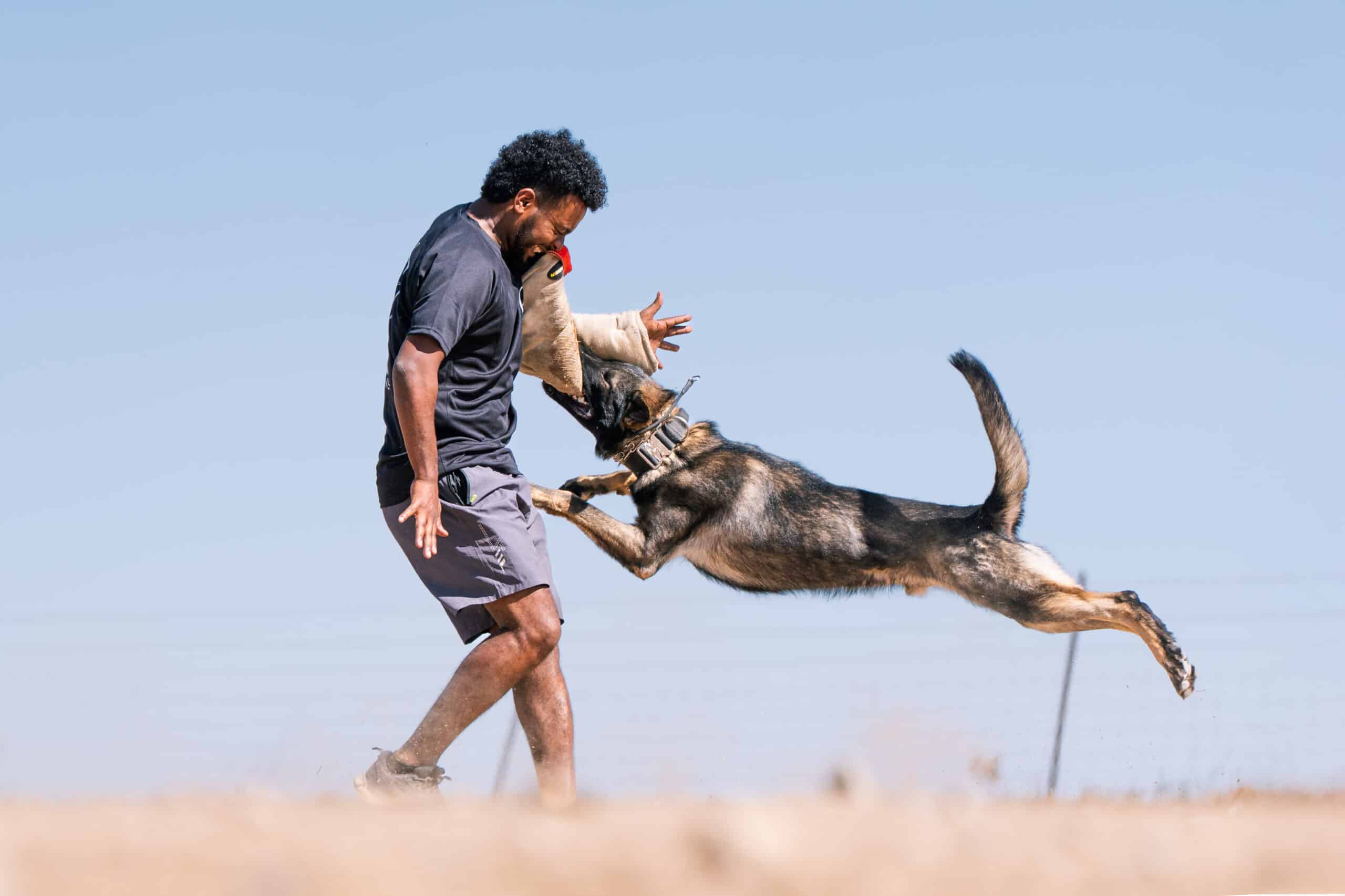
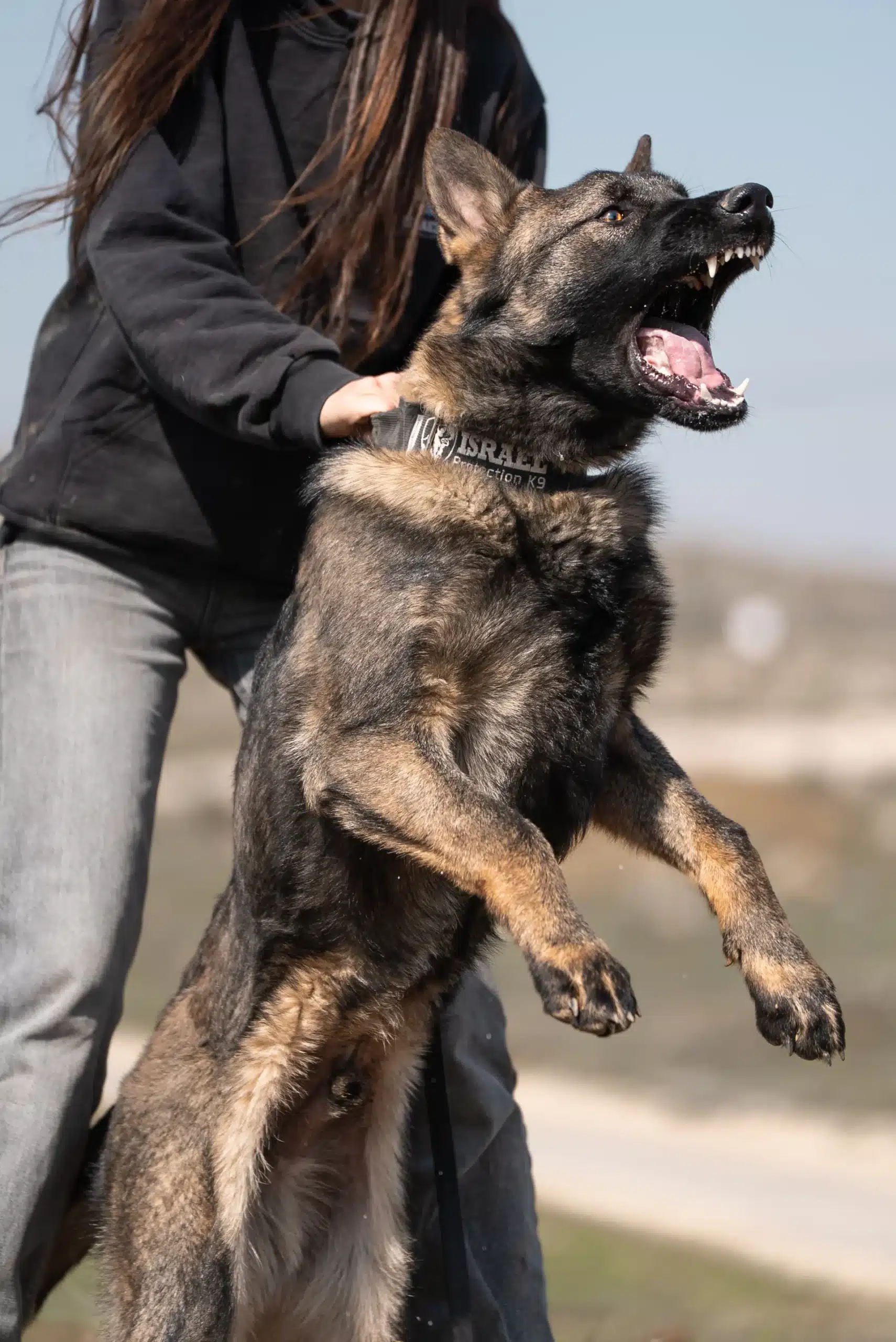
German Shepherds display characteristic backward-pulling behavior when biting during protection work. This trait was specifically reinforced through IGP protection phases. Since most German Shepherds originated from IGP bloodlines, this backward-pulling became genetic through systematic selection across generations.
Sable German Shepherds
Sable-colored German Shepherds demonstrate stronger bite force and presence during protection work compared to other colors. Training emphasizes teaching dogs to hold equipment in full-mouth grips, building proper technique from early ages.
Intelligence
German Shepherds demonstrate exceptional intelligence and responsive attentiveness. They display strong handler commitment and maintain focus during demanding tasks. The breed’s IGP selection specifically identified dogs excelling in training and job performance, ensuring intelligence and trainability remained strong across generations.
Protection Work
The breed was specifically developed for protection through the Schutzhund system. Training includes building confidence in both general behavior and bite work, early development teaching pursuit and possession, technical development establishing proper grip technique from young ages, handler relationship training to teach that handlers are part of the team, equipment possession work to build grip strength, barking on command to develop vocal alerting, and engagement training to pursue the bite intensely.
Police Work
German Shepherds serve extensively in law enforcement. The Schutzhund test was originally designed to identify dogs suitable for police work, and the breed continues excelling in these applications.
Sport Competition
The German Shepherd breed dominates IGP sport. Even today, Schutzhund and IGP champions are predominantly German Shepherds.
Scent Work
The IGP tracking phase specifically tests German Shepherd scenting ability and attention to detail, which translates to various detection and search applications.
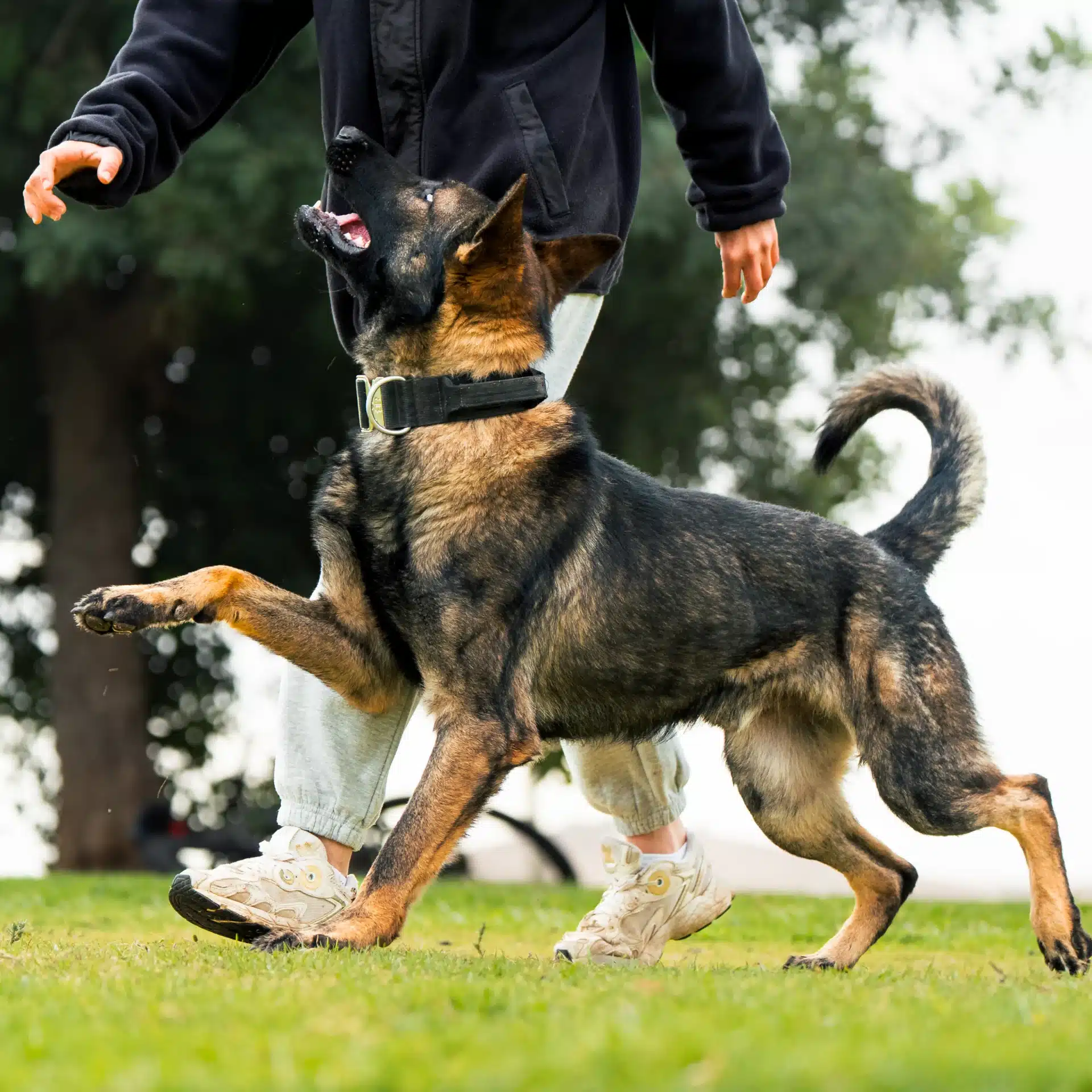
The Working Environment
Show-line German Shepherds suit regular family dog roles better due to lower drive levels and calmer temperament. They fit family dog roles and basic family protection applications better. Working-line German Shepherds suit owners seeking dogs for protection work, police service, or sport competition.
Their high drive and working ability require owners committed to providing appropriate training and working outlets. German Shepherds require adequate space for exercise and activity. Secure fencing is essential for containing these athletic, high-drive dogs.
German Shepherds require significant time commitment for training and work. Their high stamina means they can work entire days and need handlers providing appropriate exercise, training, and working activities. The comprehensive protection training methodology demonstrates the extensive time investment required to properly develop working capabilities.
Reputation of German Shepherds
Common misunderstandings
Common misunderstandings of this species include beliefs that all German Shepherds are inherently aggressive, that show lines and working lines are interchangeable, or that the breed requires harsh training methods. Properly bred and trained German Shepherds are stable, controllable, and responsive to balanced training approaches.
Recognition
Within working dog communities, German Shepherds are recognized as exceptional protection dogs. They continue dominating IGP sport competition and maintain their position as the premier breed for this demanding sport. Even today, Schutzhund and IGP champions are predominantly German Shepherds. The breed’s systematic development through the Schutzhund or IGP testing system has created widespread respect for properly bred working-line German Shepherds among professional trainers and handlers. Originally, passing the Schutzhund test was critically important for breed recognition and working capability validation. The system assessed obedience and handler commitment. Tracking ability to determine if dogs could notice small details. This protection phase specifically strengthened the German Shepherd’s tendency to pull backward when biting. The German Shepherd breed represents successful purposeful breed preservation and redirection.
Training methodology
The comprehensive training methodology available for the breed demonstrates that German Shepherds can be developed into sophisticated protection dogs capable of complex, controlled work. Their genetic tendency to pull backwards when gripping, reinforced over generations of IGP breeding, provides a natural advantage in protection work that distinguishes them from other breeds.
Protection Work
German Shepherds excel in protection work not by accident but by design. They are the result of deliberate breeding decisions, systematic testing protocols, and wide-range of training methodologies refined over more than a century of focused development.