
Guard Dogs
for sale
Understanding Guardian vs. Herding Breeds
The distinction between guardian breeds and herding breeds represents centuries of selective breeding for fundamentally different behavioral traits. Many assume that shepherd breeds, including German Shepherds and Belgian Malinois, naturally excel as guard dogs; however, this assumption overlooks the distinct genetic programming that defines each breed category. Most shepherd breeds simply do not fit the requirements of true guardian work.
Herding breeds were developed with an inherent drive to communicate and cooperate with handlers. This genetic orientation creates dogs that constantly seek human direction and approval. Shepherd genetics emphasize responsiveness, bidirectional communication, and strong handler orientation, traits essential for gathering livestock across flat terrain, where the primary challenge was keeping flocks together and moving efficiently. In England and similar flat regions of Western Europe, dogs needed to respond quickly to whistles, calls, and hand signals from distant shepherds. Speed, agility, and constant attention to the handler were paramount. However, these same traits are less effective for autonomous guardian work.
Guardian breeds developed under distinct environmental pressures. In the mountainous regions of Russia, the Caucasus, and the Pyrenees, livestock faced persistent threats from wolves, bears, leopards, and human intruders. The primary concern was not the dispersion of the flock, but rather the potential for predator attacks. This necessity shaped dogs capable of independent decision-making and autonomous threat assessment, without reliance on human intervention. Shepherds could not always remain with their flocks across expansive mountainous terrain, requiring guardian dogs to operate as fully self-reliant protectors.
Geographical context played a decisive role in shaping these fundamental differences. On the flat plains of Western Europe, herding dogs required constant communication with their handlers to manage dispersed livestock effectively. In contrast, the rugged mountains of Eastern Europe and Central Asia naturally confined flocks within valleys and highland pastures, allowing guardian dogs to live in close proximity to the animals they protected. These dogs needed to blend seamlessly with the flock while maintaining vigilance against potential threats. Confronted with danger, they were required to make immediate, autonomous decisions; demanding independence, confidence, and pronounced territorial instincts rather than reliance on handler direction.
Physical and Behavioral Characteristics of Guardian Breeds
Breeds such as the Pyrenean Mountain Dog, Caucasian Shepherd, and Maremma Sheepdog display distinctive physical and behavioral traits that are emblematic of their guardian lineage. These characteristics reflect millennia of selective breeding aimed at optimizing their effectiveness for specialized protective roles.
Physical Traits
Structural Strength & Defensive Build
Guardian breeds exhibit a set of physical traits that clearly differentiate them from herding dogs. They possess greater body mass and robust skeletal structures, providing the strength and durability required to confront predators. Their imposing physical presence not only enables effective defense against wolves, bears, and leopards but also serves as a psychological deterrent to potential human intruders.
Camouflage Through Coat Coloration
Lighter coat coloration in guardian breeds serves to mimic the appearance of sheep, enabling these dogs to integrate seamlessly with the flock. This natural camouflage makes it difficult for approaching predators to distinguish the dog from the livestock until they are in close proximity. Commonly, guardian breeds exhibit white, cream, or light tan coats that closely resemble the wool of sheep, enhancing their protective effectiveness.
Ear Structure & Environmental Adaptation
The floppy ear configuration, in contrast to the erect ears typical of herding breeds, contributes to a less intimidating presence among livestock. While erect ears signal alertness and may cause unease, pendant ears convey a calmer, less predatory appearance. Additionally, dense double coats offer both protection during physical confrontations and insulation against the harsh conditions of mountainous environments.
Behavioral Profile
Low Prey Drive & Livestock Bonding
The behavioral profile of guardian breeds contrasts sharply with that of herding dogs. These breeds exhibit a notably low prey drive, ensuring they do not chase or harm the livestock they are tasked with protecting. In contrast, dogs with higher prey drive may inadvertently injure animals or provoke panic within the flock. Guardian breeds can be socialized with livestock from an early age, learning to regard them as members of their extended family to be defended rather than prey to be pursued.
Energy Conservation & Strategic Patrol Patterns
Guardian breeds are characterized by minimal play behavior and strategic energy conservation throughout their daily routines. Much of the day is spent resting and observing, not out of lethargy but as a deliberate management of energy reserves. These dogs conduct patrols during dawn and dusk, periods when predators are most active, ensuring they maintain sufficient strength and readiness for potential confrontations.
Social Tolerance & Family Integration
Guardian breeds exhibit exceptional social tolerance toward other animals within the protected group and maintain a calm, patient demeanor in non-threatening situations. For example, a Pyrenean Mountain Dog can coexist harmoniously with sheep, goats, chickens, and even cats, regarding them as members of an extended pack. This inherent social tolerance also extends to children and family members, rendering these breeds remarkably gentle and adaptable in domestic environments.
Environmental Awareness & Independent Decision-Making
Even while appearing at rest, guardian breeds continuously monitor their environment using acute auditory and olfactory senses. Their capacity for independent decision-making enables them to assess and respond to threats without awaiting handler direction. When a genuine danger arises, these dogs can react immediately and appropriately. This autonomy enhances their effectiveness as protectors, though it also demands experienced handling to manage their independent instincts safely.
The Evolution of Guard Dog Applications
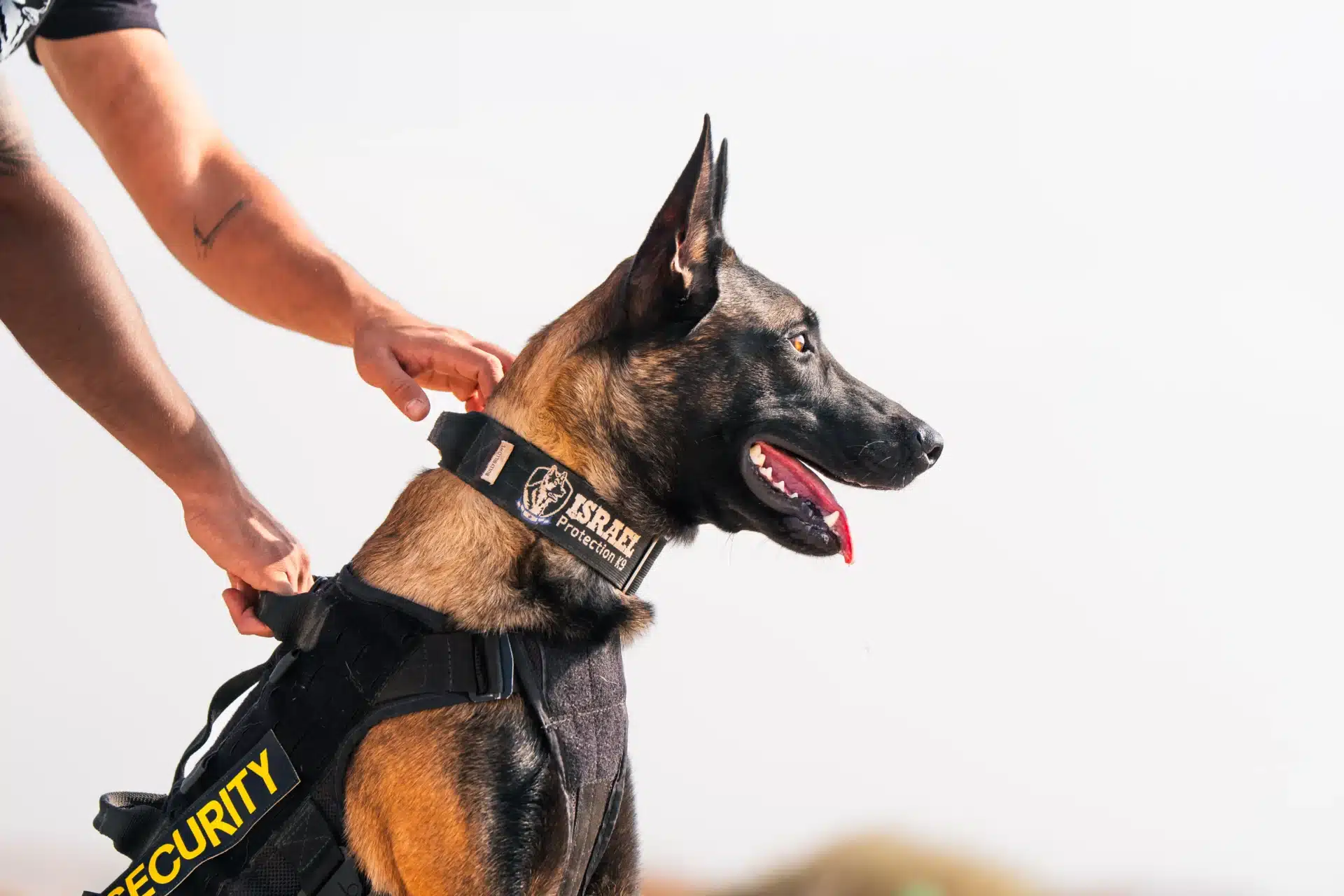
Historically, guard dogs were primarily employed for perimeter protection, defending boundaries such as livestock enclosures, construction sites, and junkyards. The archetypal ‘junkyard dog’ or ‘sandlot dog’ epitomized this early model, functioning as a territorial animal stationed at a fixed location to deter intrusion through presence and aggressive display. These dogs often experienced limited human interaction beyond basic feeding and maintenance.
Limitations of Traditional Perimeter-Based Guarding
This traditional paradigm was effective in industrial and agricultural contexts, where the primary objective was straightforward area denial. The dogs were not required to differentiate between visitors or respond to complex scenarios. Their primary function was to bark at anyone approaching and, if necessary, physically confront intruders. Limited socialization and prolonged isolation often led to the development of behavioral issues, as mental stimulation and environmental enrichment were minimal.
Modern Integrated Family Protection
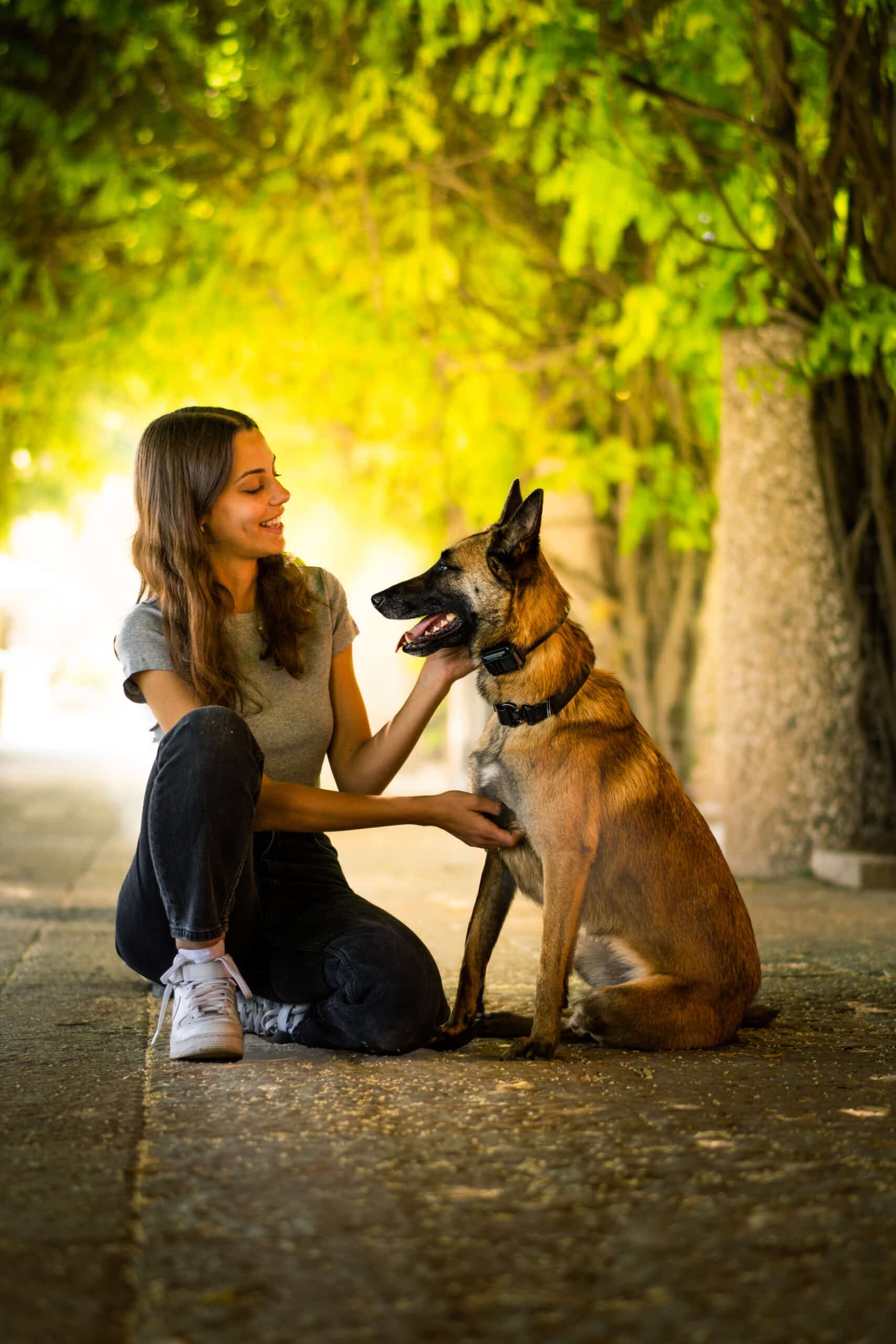
The contemporary role of guard dogs has evolved significantly. Modern guard dogs serve as integrated family protection assets rather than isolated perimeter sentries. This shift necessitates dogs capable of discerning between family members, guests, authorized visitors, and actual threats. Today’s guard dogs must operate seamlessly within domestic environments, maintaining vigilant protective instincts while functioning harmoniously alongside the household and daily activities.
Changing Protection Needs in Modern Society
This evolution reflects fundamental changes in protection requirements. Families now seek dogs that can accompany them to public spaces, interact safely with children, and remain composed during routine daily activities. Business owners require dogs capable of operating in retail or office environments without introducing liability risks. Modern guard dogs must balance sociability to navigate everyday social settings with the capacity to respond decisively to legitimate threats.
Shaping Territorial Instincts Through Advanced Training
Dogs exhibiting strong territorial instincts possess foundational drives that are highly advantageous for modern protection work. However, unrefined territorial behavior must be shaped through specialized training. Expert training channels these instincts into precise, controlled defensive responses, tailored to specific locations, individuals, and circumstances. Through this process, the guard dog learns to extend its protective scope to include vehicles, temporary accommodations such as hotel rooms, and outdoor areas where the family may congregate.
Precision, Discrimination, and Controlled Response
The key distinction between traditional guard dogs and Israel Protection K9 dogs lies in their ability to exercise discrimination and maintain control. An untrained dog driven by territorial instincts will react indiscriminately, barking at any passerby and generating frequent false alarms. In contrast, a properly trained Israel Protection K9 dog remains composed and vigilant, accurately distinguishing routine activity from genuine threats. Achieving this level of precision requires advanced training protocols that refine inherent territorial drives while clearly defining the circumstances and methods for appropriate response.
The Specialized Role of German Shepherds and Belgian Malinois
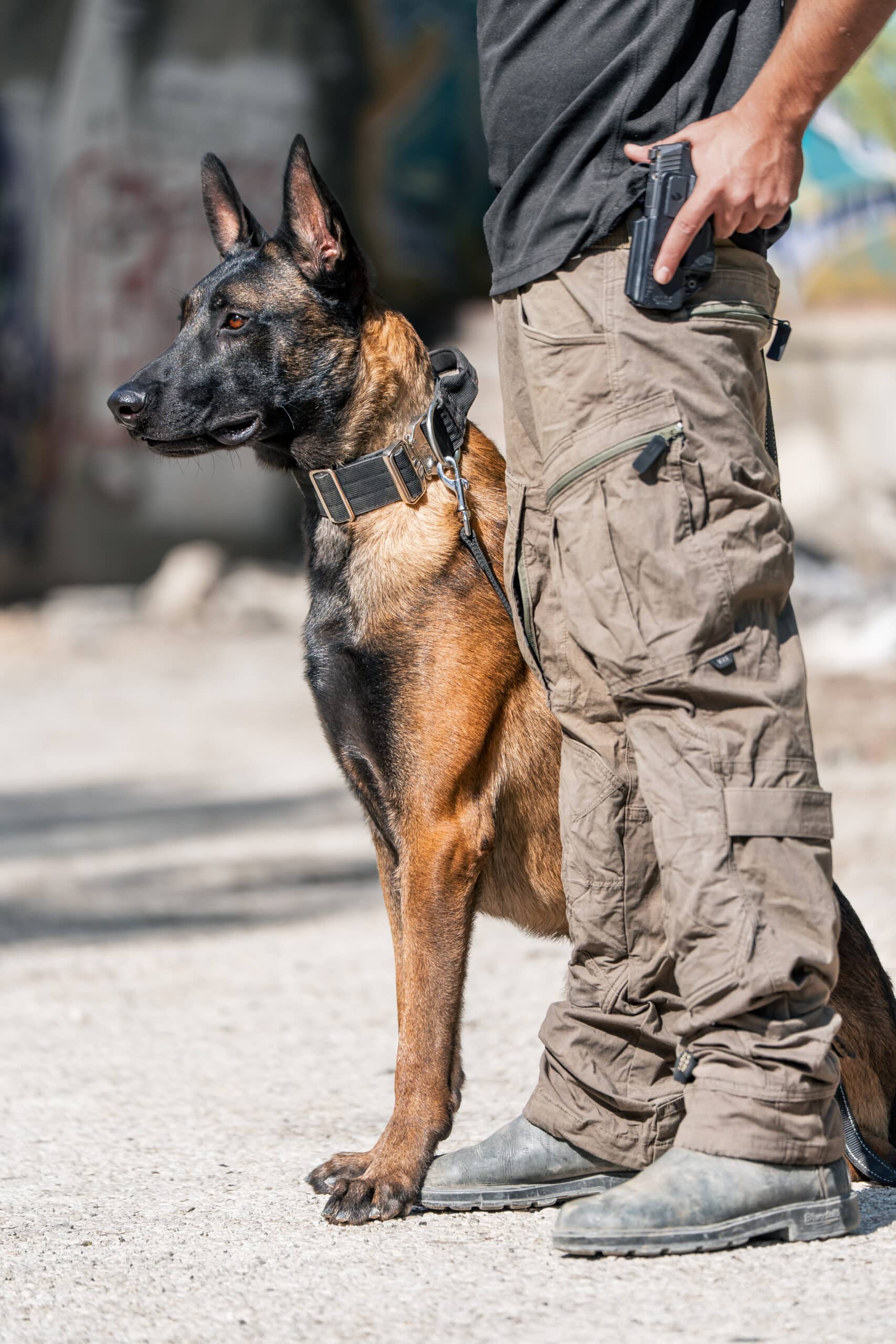
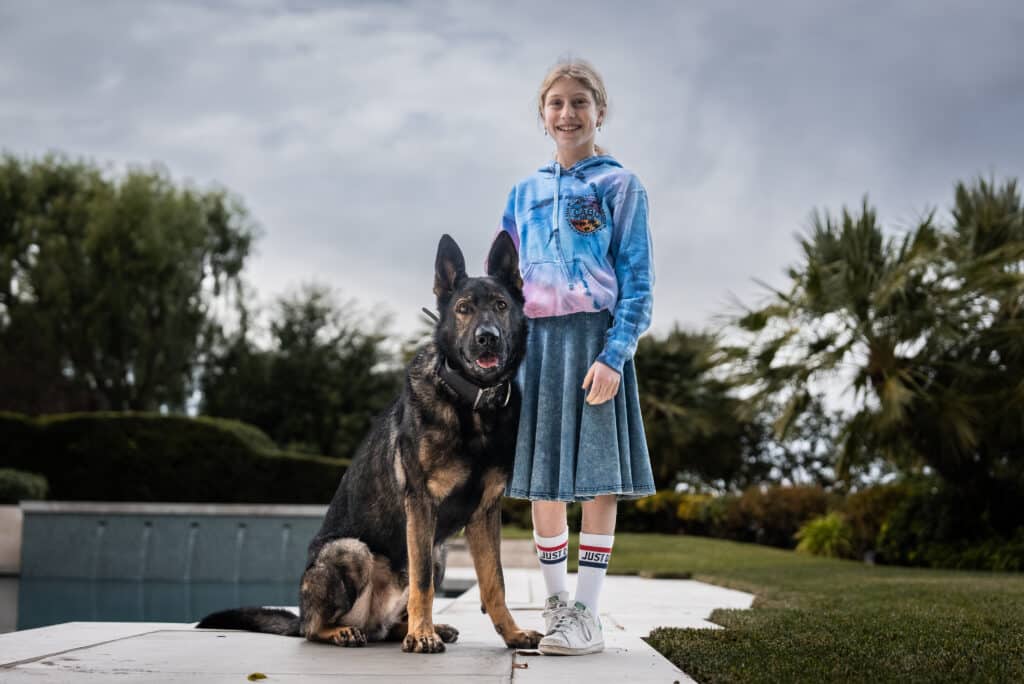
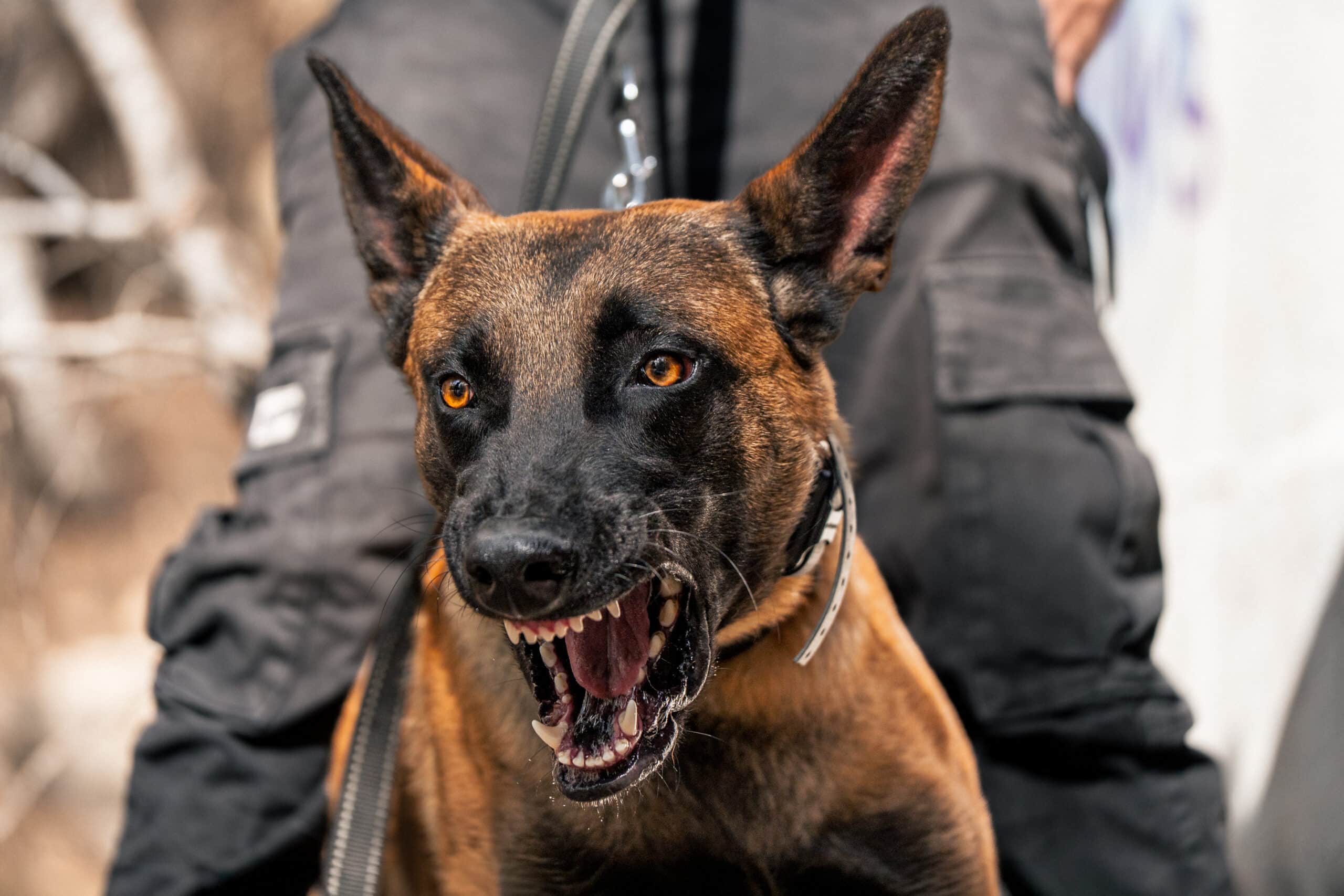
Although German Shepherds and Belgian Malinois originated as herding breeds, their development over time has established a unique classification that bridges herding and protection roles. These breeds embody a distinct approach to security compared with traditional guardian breeds, offering versatile advantages in contemporary protection applications.
The Handler-Oriented Protection Model
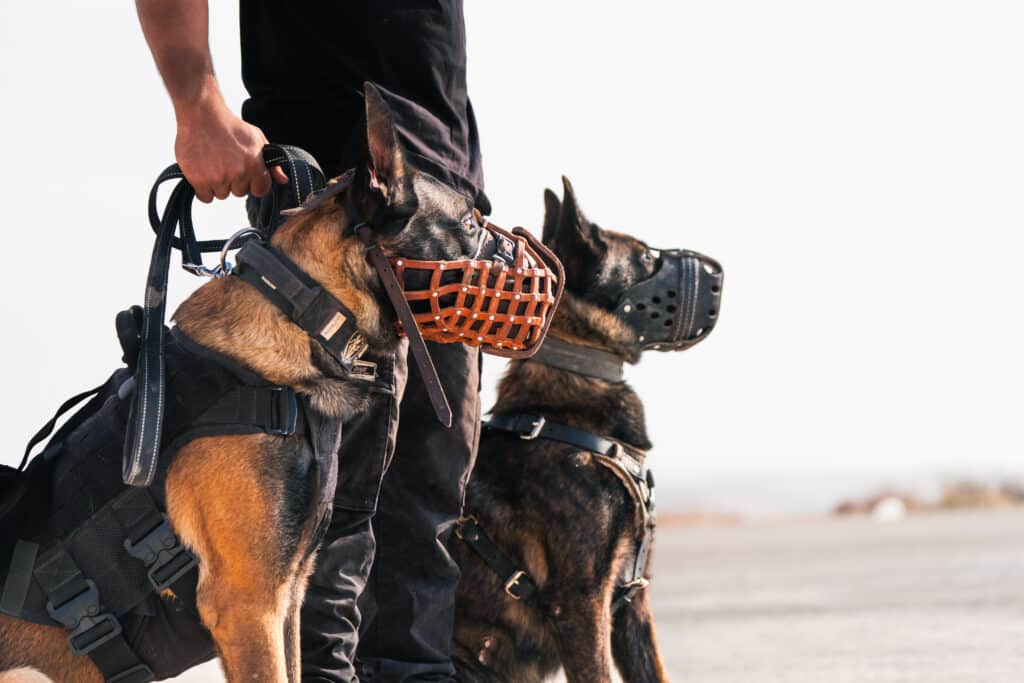
German Shepherds and Belgian Malinois excel in protection work due to their pronounced handler orientation, a trait that modern training protocols actively leverage. These breeds operate collaboratively with their handlers rather than autonomously, forming highly responsive and cohesive protection teams.
German Shepherd: Structure, Capability, and Temperament
German Shepherds typically weigh between 65 and 90 pounds, with males standing 24 to 26 inches at the shoulder, and females slightly smaller, weighing 50 to 70 pounds and standing 22 to 24 inches. Renowned for their intelligence, loyalty, and trainability, they are considered the benchmark for police and military service worldwide. These qualities enable them to adapt seamlessly to diverse protection scenarios while maintaining stable and reliable temperaments in family environments.
Belgian Malinois: Agility, Precision, and High-Drive Performance
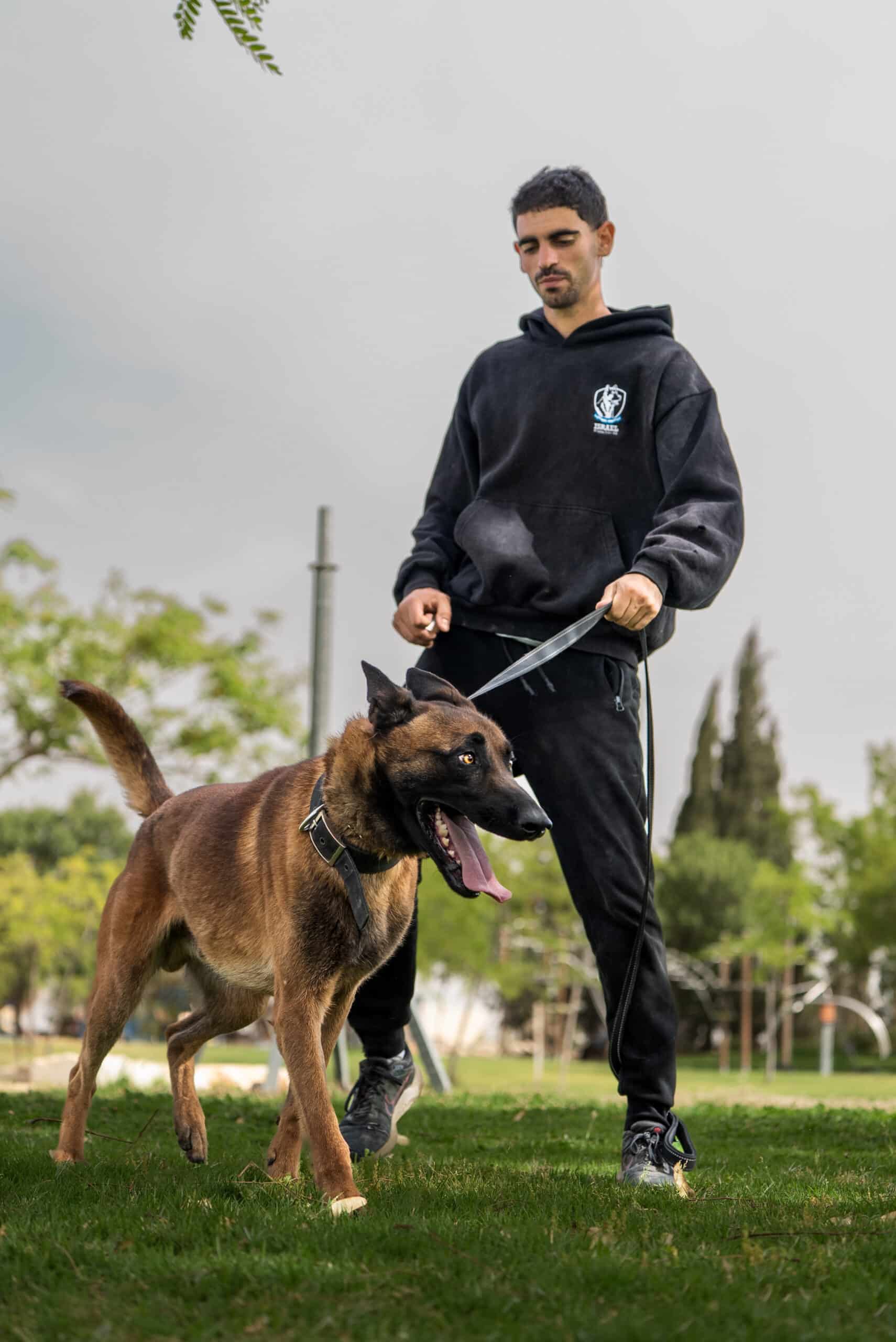
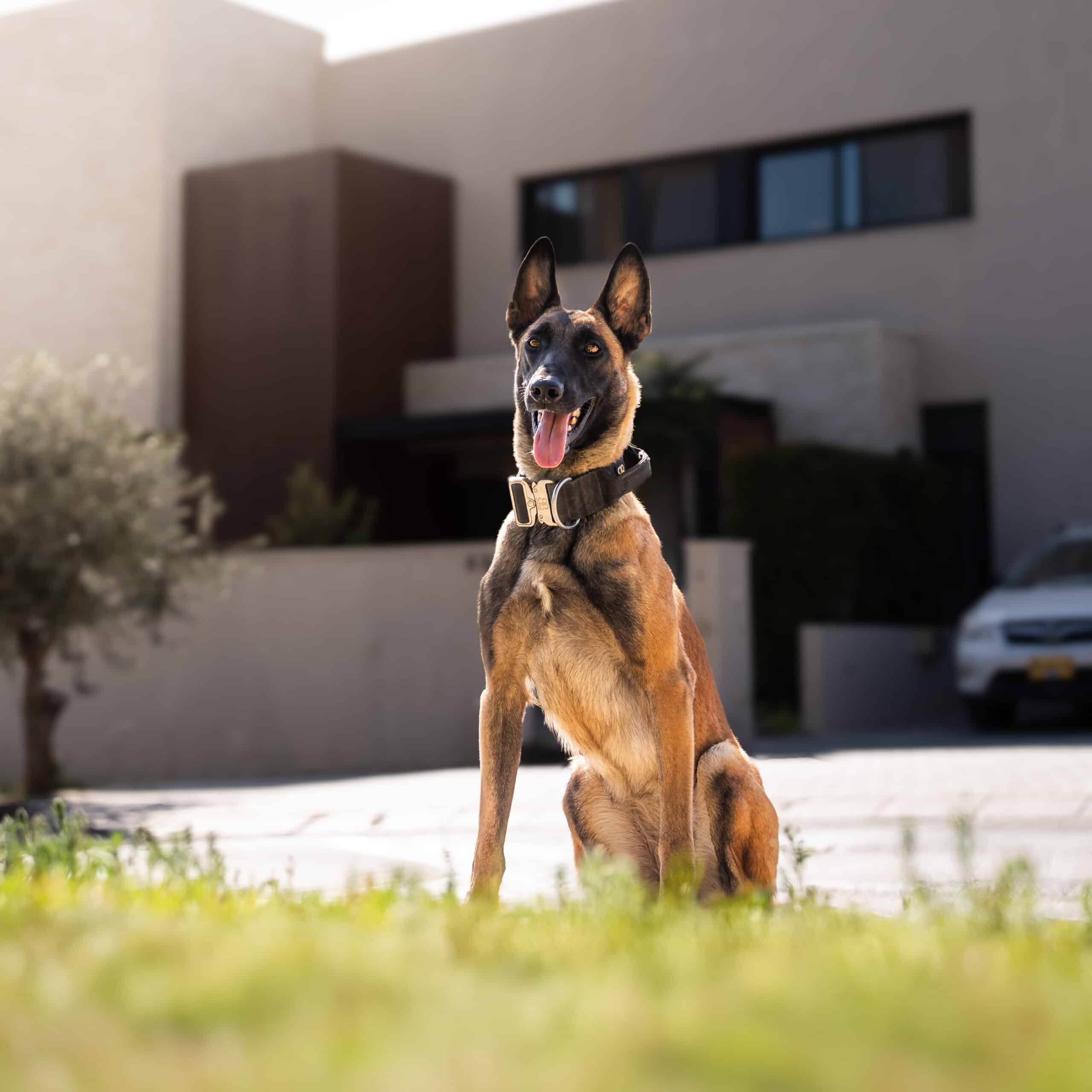
Belgian Malinois generally weigh between 40 and 80 pounds and feature a leaner, more athletic build compared to German Shepherds. Standing 22 to 26 inches at the shoulder, they exhibit exceptional agility, speed, and work drive. Their intense focus and eagerness to please render them highly trainable, enabling rapid mastery of complex command sequences.
The Israel Protection K9 Approach
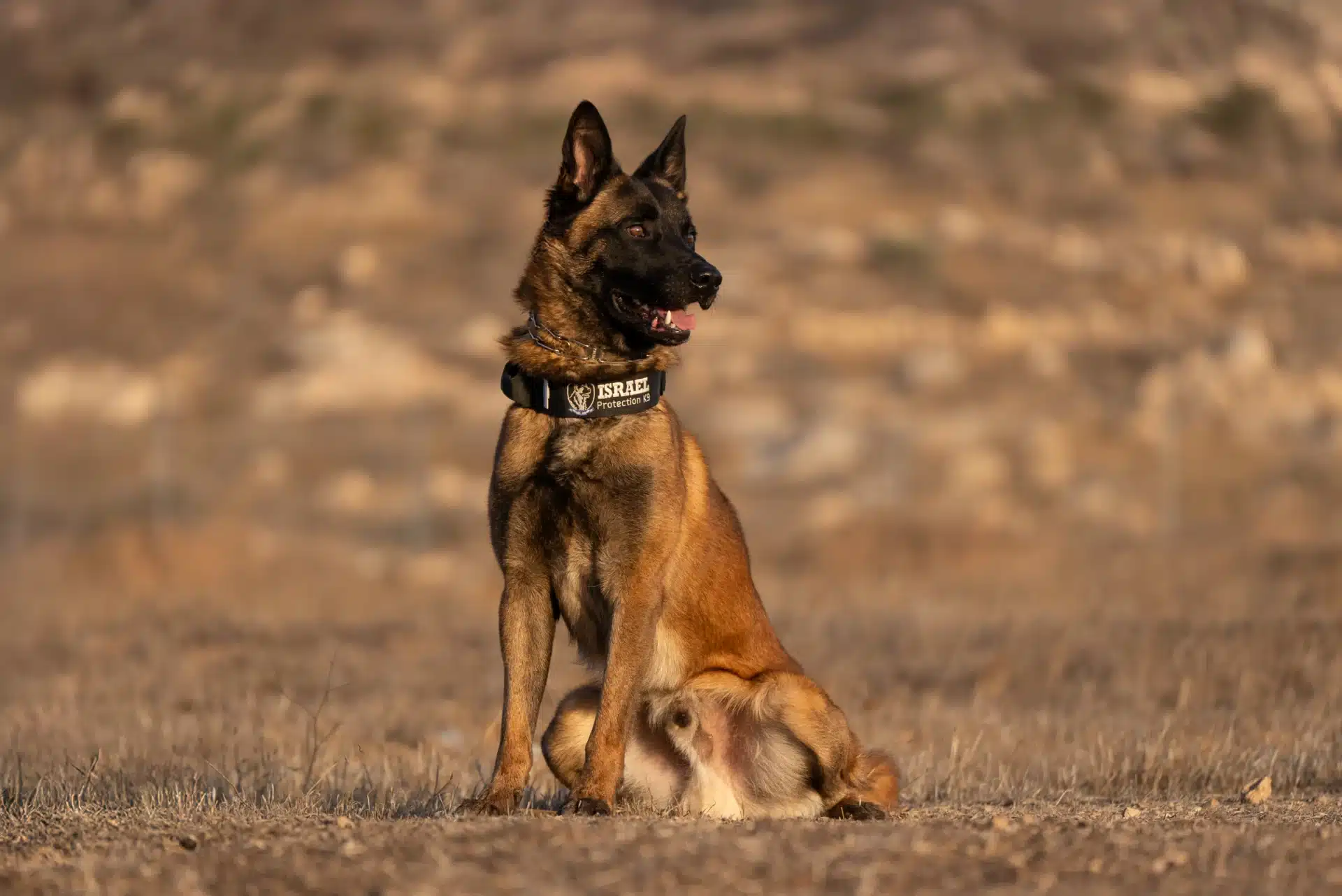
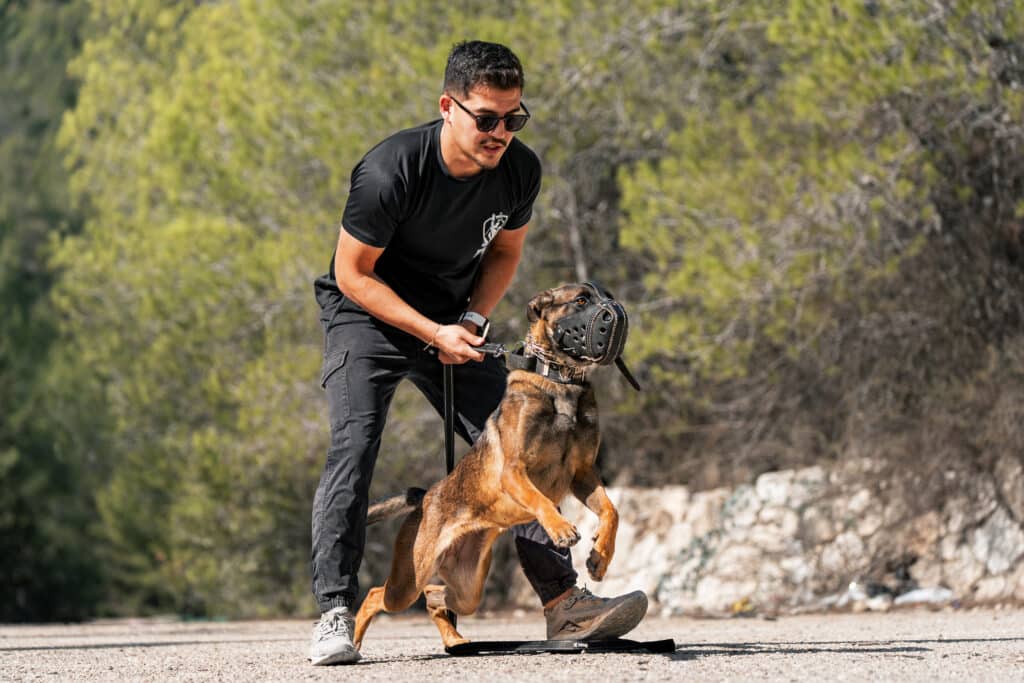
Israel Protection K9 has established its reputation by specializing in the training of German Shepherds, Dutch Shepherds, and Belgian Malinois for contemporary protection applications. The company acknowledges that these breeds provide distinct advantages for integrated family protection and personal security.
Precision Control in Complex Social Environments
The inherent handler-oriented nature of these breeds enables precise control in complex social environments. A well-trained German Shepherd or Belgian Malinois can accompany families in public spaces, remain composed during routine interactions, and respond instantly to handler commands when threats arise. This level of responsiveness is invaluable in modern settings, where protection dogs must accurately distinguish between legitimate visitors and genuine threats.
Belgian Malinois: Speed, Agility, and Work Ethic
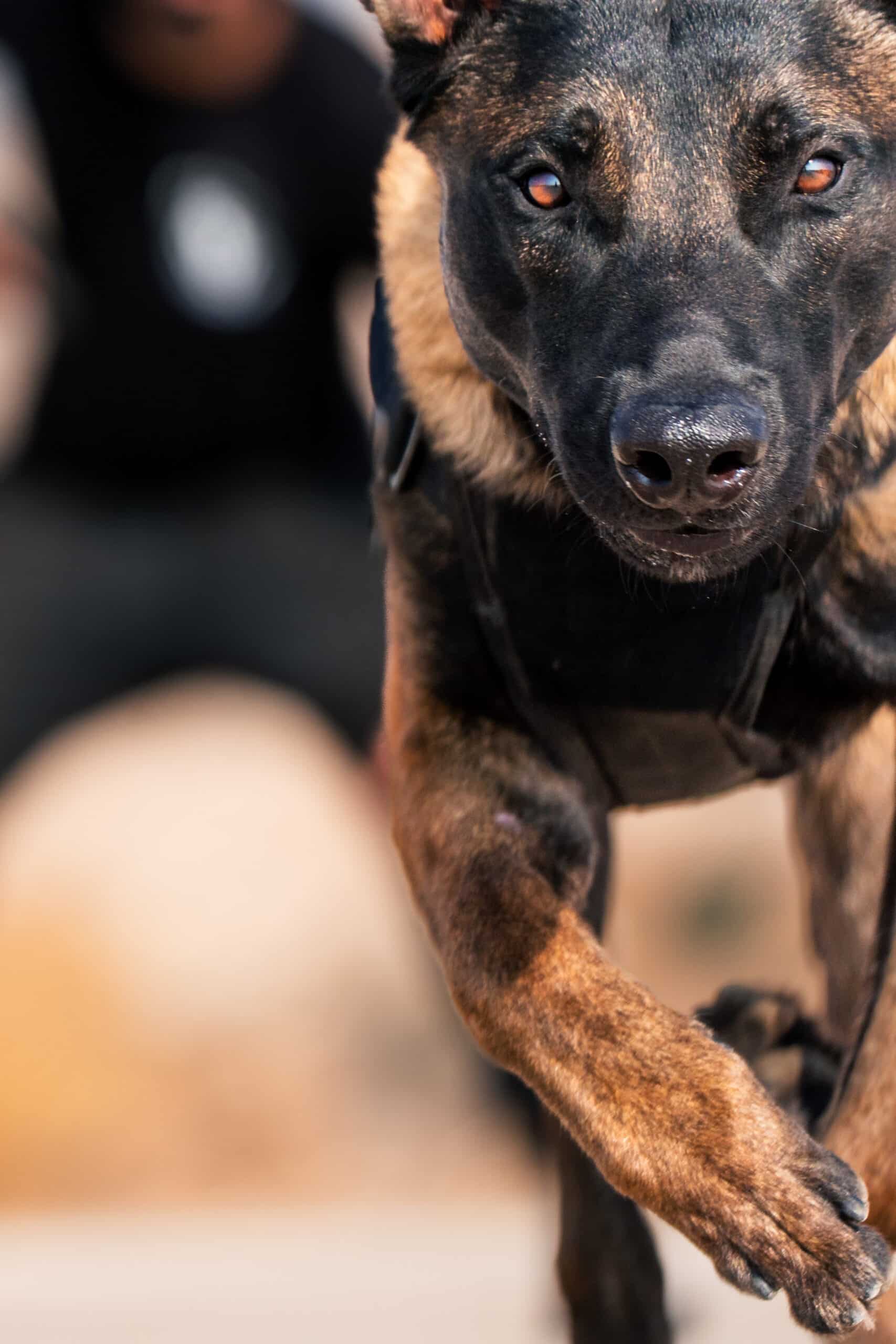
Belgian Malinois have gained increasing prominence in advanced protection work. Their compact build, exceptional speed, and relentless work ethic make them well-suited for active families and individuals seeking both companionship and security. Israel Protection K9 initiates training with Belgian Malinois from puppyhood, harnessing their extraordinary learning capacity and strong handler focus.
German Shepherds: Size, Presence, and Loyalty
German Shepherds provide a distinct set of advantages. Their larger size, commanding presence, and composed demeanor offer psychological deterrence while remaining approachable to family members. Combined with their sensitivity and strong bonding tendencies, they become devoted companions who maintain vigilant protective instincts. Their adaptability and trainability further ensure effectiveness across diverse domestic and security scenarios.
Training Philosophy: Handler Partnership vs. Independent Action
The primary distinction lies in training philosophy. Traditional guardian breeds, such as Caucasian Shepherds or Central Asian Shepherds, are conditioned to assess threats and respond autonomously, making independent decisions that are particularly suited for property protection scenarios where immediate handler intervention may not be possible.
In contrast, German Shepherds and Belgian Malinois are trained for handler-directed protection, remaining under precise handler control until commanded to act, at which point they respond with calibrated intensity and accuracy.
This model offers several advantages:
Reduced Liability:
Handler-directed control ensures that the dog acts exclusively on command, significantly minimizing the risk of inappropriate or uncontrolled aggression in complex or unpredictable situations.
Versatility:
These breeds are capable of functioning effectively across a wide range of environments, including public spaces and social settings, maintaining composure while executing their protection duties.
Precision:
Directed training allows the dog to deliver graduated, context-sensitive responses that are carefully calibrated to the severity and immediacy of the perceived threat.
Family Integration:
Strong bonds with their handlers and a high level of responsiveness make these breeds exceptionally safe and reliable around children, guests, and household members, while preserving their ability to provide effective protection when necessary.
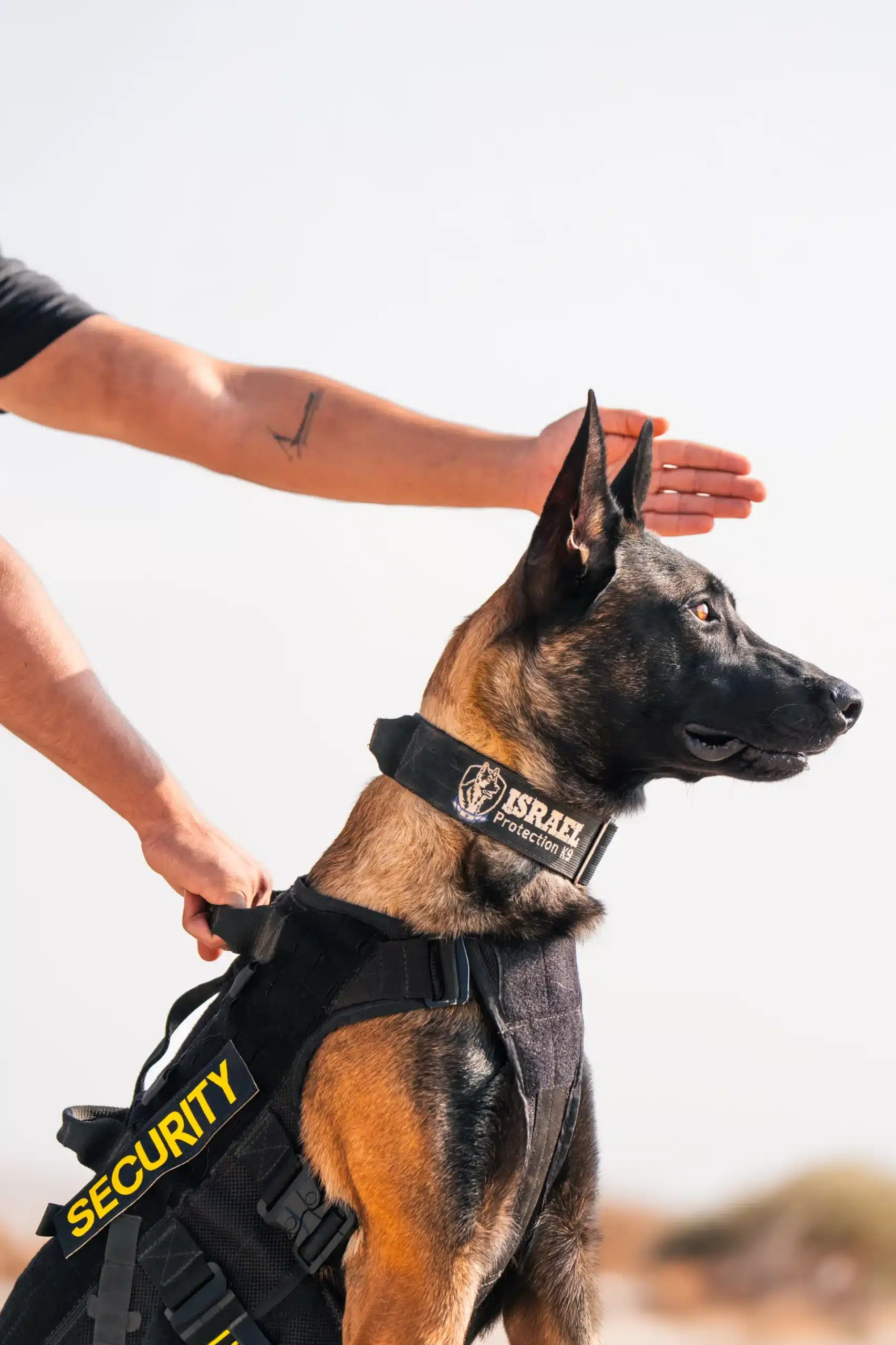
Israel Protection K9 training methodology emphasizes this handler partnership. Dogs learn to read situations alongside their handlers, responding to subtle cues and commands.
Custom Training for Specific Territorial Parameters
Professional protection dog training transforms raw territorial instincts into precise, controlled defensive responses calibrated to specific locations, individuals, and circumstances. This customization allows dogs to extend territorial protection beyond static property boundaries to dynamic environments.
Israel Protection K9 employs comprehensive training protocols that teach dogs to recognize and protect:
Primary residence: Complete property boundaries, interior spaces, and perimeter zones
Vehicles: Personal cars, trucks, and recreational vehicles
Temporary locations: Hotel rooms during travel, vacation rentals, and outdoor gathering spaces
Business premises: Offices, retail stores, jewelry stores, warehouses, and construction sites
Agricultural facilities: Greenhouses for controlled environment agriculture including cannabis cultivation operations, livestock enclosures, and equipment storage areas
Controlled Territorial Application
This level of specificity sets professional Israel Protection K9 dogs apart from untrained territorial animals. The dog is trained to apply territorial protection strictly to designated areas while remaining composed in public spaces, parks, and other neutral environments. Such discrimination demands extensive, structured training but is crucial for dogs operating in modern, integrated protection roles.
Recognition of Authorized Individuals
Custom training protocols also account for authorized individuals entering protected zones. The dog learns to recognize and accept family members, employees, regular visitors, and service personnel while sustaining vigilance against unauthorized intrusions. This targeted discernment prevents inappropriate defensive reactions while ensuring robust protective capabilities against genuine threats.
Graduated Response and Threat Assessment
Training establishes graduated response protocols aligned with threat assessment. Minor disturbances elicit alert behaviors without escalation. Suspicious activity prompts heightened vigilance and strategic positioning. Actual threats trigger controlled defensive actions. This calibrated approach ensures that force is applied appropriately while maintaining precise handler control throughout all protection scenarios.
Food Refusal Training
In modern security operations, food refusal training is considered essential. Adversaries increasingly attempt to compromise guard dogs through poisoned food or sedative-laced treats. Professional protection dogs must demonstrate an unwavering refusal of food from unauthorized sources, accepting sustenance solely from designated handlers.
The Risk of Food-Based Threats
Criminals, including property thieves, organized theft rings, and violent intruders, have documented cases of using tainted food to disable guard dogs prior to committing crimes. A dog that accepts food from strangers represents a critical vulnerability in any security protocol. Food refusal training mitigates this risk by conditioning the dog to regard any food not provided by authorized individuals as potentially dangerous and unacceptable.
Building a Lifelong Aversion
At Israel Protection K9, this training involves repeated exposure to tempting food items offered by strangers, with consistent reinforcement of refusal behavior. Over time, this process instills a deeply ingrained aversion to accepting food from anyone other than designated family members or handlers, ensuring operational safety and reliability.
Mission-Specific Training Protocols
Customized Canine Preparation
Israel Protection K9 implements comprehensive, individualized training protocols designed to prepare each dog for specific operational requirements. Rather than relying on generic protection training, every canine undergoes thorough assessment and tailored preparation to address the unique demands of its assignment. This individualized methodology acknowledges that no two security scenarios are identical and that effective protection necessitates customization.
Environment-Specific Training
Training incorporates the specific characteristics of each physical environment, whether indoor, outdoor, or mixed-use. A dog tasked with safeguarding a suburban home with a fenced yard requires a different training approach than one assigned to a multi-story office building or an open construction site. The protocols also account for the protected individuals or groups, whether they are family units, employees, or livestock. A dog protecting a family with young children undergoes extensive socialization and bite inhibition training to prevent accidental harm during everyday interactions.
Threat Profile Analysis
Threat profiles pertinent to each location are analyzed in detail. An urban jewelry store encounters markedly different risks than a rural estate or an agricultural facility. Experienced handlers can manage more powerful, independent dogs with strong protective drives, while first-time owners may benefit from dogs with higher handler orientation and moderated independence.
Compliance with Legal Standards
Legal and liability considerations specific to the jurisdiction further shape the training protocol. States and countries have varying laws regarding dog bites, property defense, and the use of animals in security contexts. Israel Protection K9 ensures that each dog’s behavior is fully compliant with local legal standards, protecting owners from potential liability while maintaining optimal security effectiveness.
The Israel Protection K9 Training Methodology
Israel Protection K9 understands that effective guard dog deployment depends on aligning breed characteristics, individual temperament, training methodologies, and operational requirements. Every guard dog undergoes a rigorous evaluation and preparation process designed to ensure optimal performance and reliability in its designated role.
Temperament Evaluation and Selection
The process begins with a comprehensive temperament evaluation to determine baseline drives and behavioral tendencies. Not all dogs within a guardian breed are inherently suited for protection work. Individual variation exists within breeds, making it essential to identify dogs that exhibit the optimal combination of traits. Evaluators carefully assess territorial drive, confidence, social tolerance, handler responsiveness, and the ability to recover from stress.
Dogs displaying excessive aggression may become unmanageable and pose risks, while those lacking sufficient protective drive are unlikely to respond effectively to genuine threats. This evaluation process ensures the selection of dogs with balanced drives that can be developed through structured training into dependable and reliable protectors.
Health Screening
Health screening is essential to confirm a dog’s physical suitability for protection work. Protection dogs must exhibit sound structural conformation, robust joint health, and be free from hereditary conditions that could compromise their performance. Conditions such as hip and elbow dysplasia are common in large breeds, and affected dogs are unable to meet the physical demands of protection duties without experiencing pain or long-term disability.
Comprehensive veterinary evaluations, including radiographs and genetic testing, are conducted to identify potential health concerns prior to training. This rigorous screening process safeguards the investment in training and ensures that each dog can enjoy a long, healthy, and fully functional working life.
Foundation Training
Foundation training establishes essential obedience, impulse control, and the handler-dog relationship. Prior to protection-specific instruction, the dog must demonstrate mastery of fundamental commands, proper leash walking, and reliable recall. These foundational skills create the framework upon which advanced training is built.
Impulse control exercises train the dog to remain composed in stimulating or unpredictable environments, to exercise patience, and to respond consistently to handler commands even amid distractions or heightened excitement. Such control is critical for a protection dog that must maintain composure during routine activities while reacting instantly when directed.
The handler relationship is further reinforced through foundation training. The dog learns to trust the handler, seek guidance, and cooperate effectively. Even breeds with strong independent tendencies require a solid bond with their handler to perform optimally in protection roles.
Specialized Protection Training
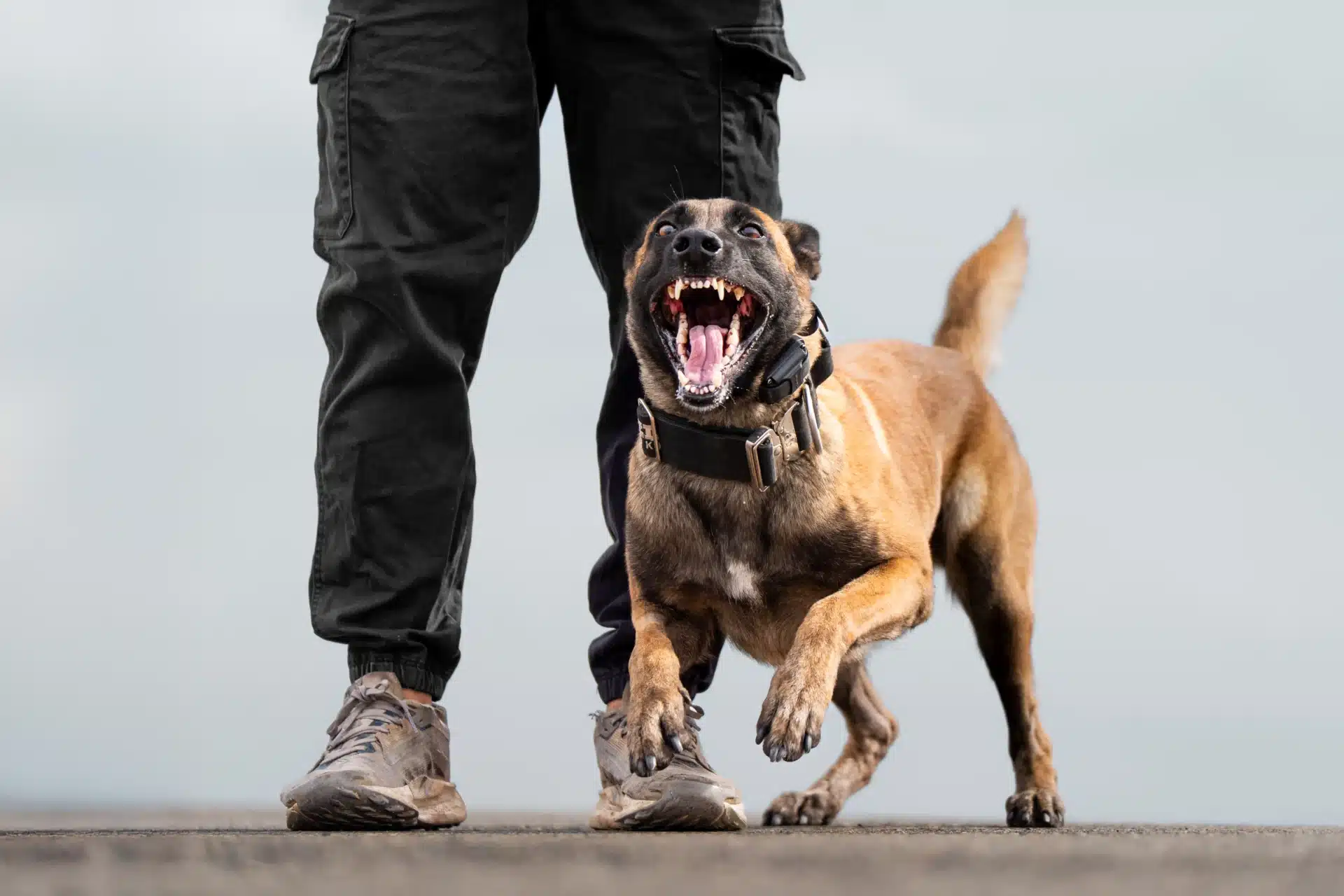
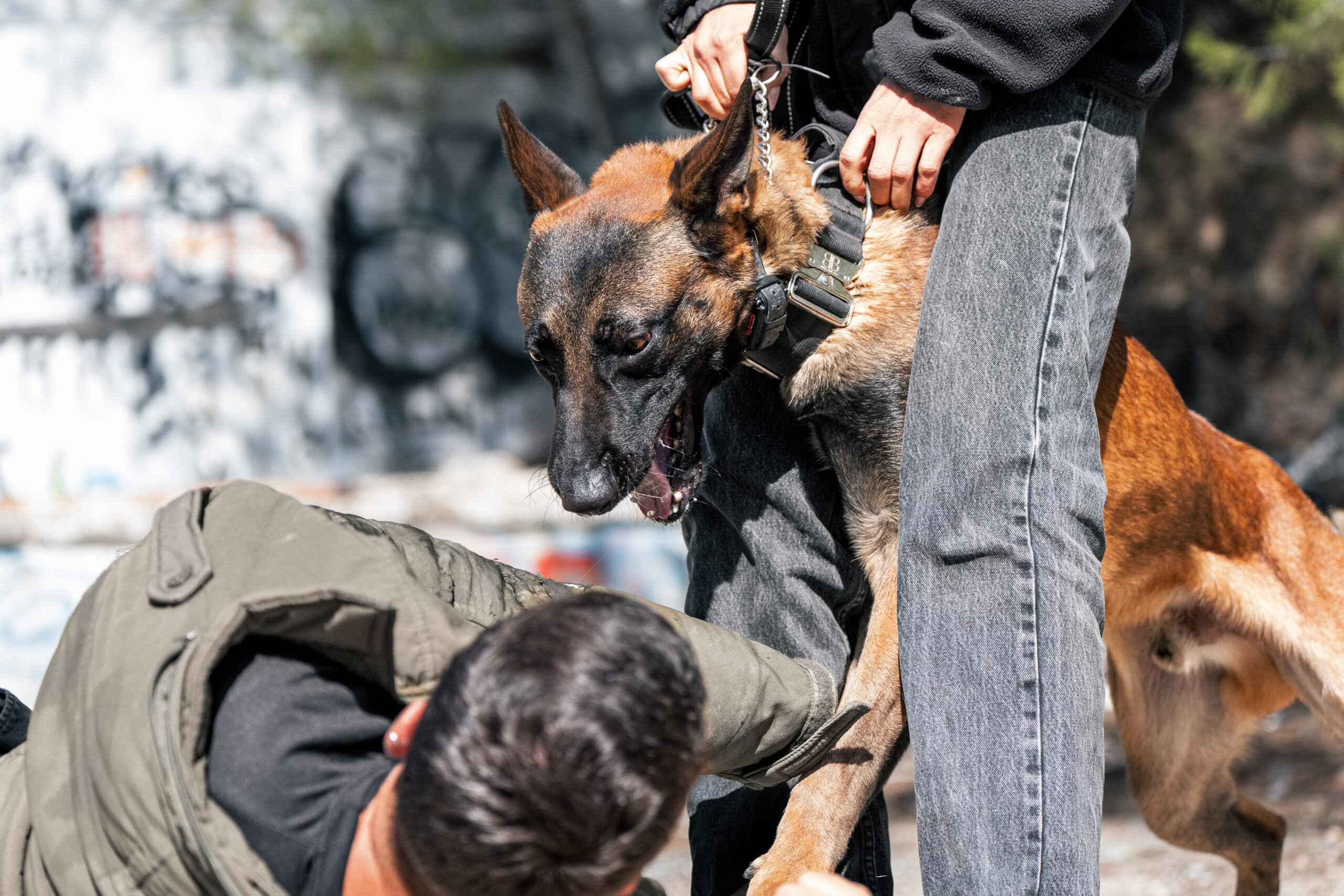
At Israel Protection K9, specialized protection training encompasses threat recognition, controlled aggression, and disengagement. Dogs are trained to accurately identify threatening behaviors, interpret body language, and assess situations that necessitate protective action. This training employs realistic scenarios that replicate potential threats, enabling dogs to practice appropriate responses within a controlled environment.
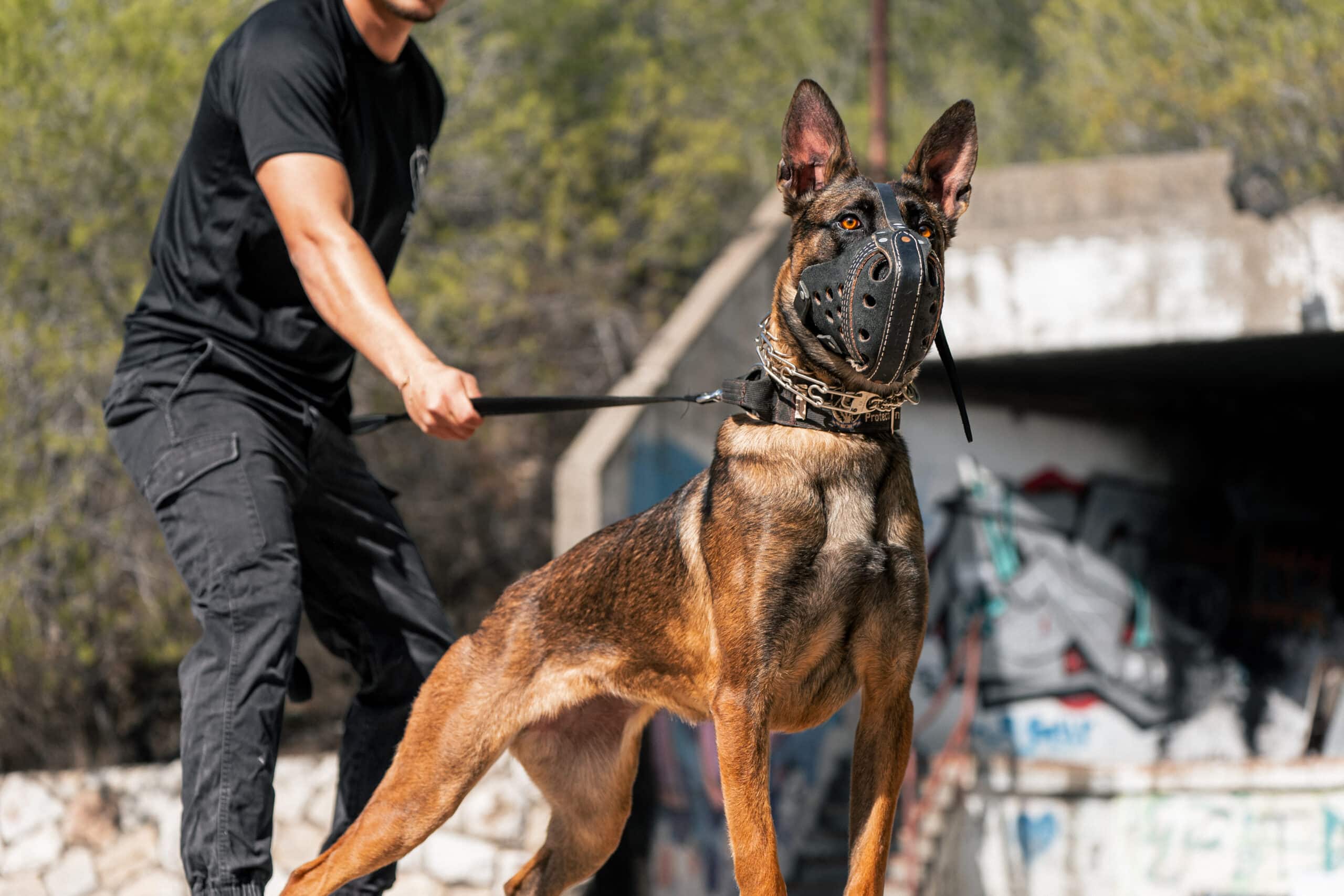
Controlled aggression training instructs the dog to bite on command and maintain pressure until released. The dog is taught precise target areas, correct bite technique, and strategies to minimize risk of injury during confrontations. Equally critical, the dog learns to release immediately upon command, preventing excessive force and allowing handlers to safely de-escalate encounters once threats are neutralized.
Disengagement training ensures that the dog ceases protective behavior when a threat has passed. A dog that cannot reliably disengage presents a liability rather than an asset. Through repeated practice, these protocols develop consistent, dependable responses, even under high-stress conditions.
Food Refusal Conditioning
Food refusal conditioning mitigates the risk of poisoning by systematically training the dog to reject food from anyone other than authorized handlers. The protocol incorporates progressively more enticing food items, diverse presentation methods, and multiple individuals attempting to offer sustenance. This conditioning is maintained throughout the dog’s working life through regular reinforcement exercises, ensuring the behavior remains ingrained and reliable.
Handler Training
Handler training ensures seamless coordination between human and canine, optimizing the effectiveness of the protection team. Even the most highly trained dog may underperform if the handler cannot accurately interpret signals, provide precise commands, and sustain ongoing training. Instruction encompasses canine body language, command delivery, scenario management, and routine maintenance of learned skills.
Through this training, the handler develops the discernment to know when to rely on the dog’s judgment and when to intervene. This synergistic partnership between handler and dog establishes a protection system that is both reliable and greater than the capabilities of either alone.
Conclusion
The future of canine protection services depends on the ongoing refinement of training methodologies, a deeper understanding of genetic predispositions, and continuous adaptation to emerging security threats. As the landscape of risk evolves, so too must the protocols, techniques, and deployment strategies employed by professional protection services. Israel Protection K9’s commitment to innovation, handler education, and mission-specific customization ensures clients receive protection solutions aligned with both current and anticipated security requirements.
As threats grow increasingly complex, the role of expertly trained protection dogs, such as German Shepherds, Belgian Malinois, and Dutch Shepherds, becomes ever more critical. Investing in a professionally trained protection dog from Israel Protection K9 delivers years of reliable security, peace of mind, and often, a devoted family companion. Through meticulous breed selection, comprehensive health screening, tailored mission-specific training, and ongoing handler support, Israel Protection K9 provides protection solutions precisely calibrated to each client’s distinct needs.